<p></p> <img src="https://s3.us-east-2.amazonaws.com/dcr-apis/wp_contents/uploads/DCR-ADMIN/plumbtree-plumbing-and-rooter-inc-2793-example-of-work-11.jpeg" alt="undefined" style="height: auto;width: auto"/> <p></p> <p>From fixture selection and water heater maintenance to leak prevention and water pressure control, these insights from Diamond Certified Expert Contributors will help you avoid costly plumbing problems and keep your system working reliably.<br><br><strong>Jonatan Bautista of </strong><a href="https://www.diamondcertified.org/report/oro-pro-plumbing-inc/" target="_self"><strong>Oro Pro Plumbing, Inc.</strong></a><br>When it comes to plumbing fixtures like faucets, buying from a big-box store might seem like the easy choice, but it could cost you in the long run. Unlike home supply stores, plumbing distributors offer products with high-quality brass components instead of plastic, which makes them not only more durable but also longer-lasting. Next time you’re replacing a fixture, ask your plumber to source products from a distributor and you’ll get better value.<br><br><strong>Jonathan Millington of </strong><a href="https://www.diamondcertified.org/report/ace-plumbing-and-rooter/" target="_self"><strong>Ace Plumbing and Rooter</strong></a><br>A few simple plumbing habits can save you from major headaches down the line. First, flush your water heater once a year to reduce rust buildup and prolong its lifespan. Heading out on vacation? Be sure to turn off your home’s water shut-off valves to prevent leaks or flooding in your absence. And if you’re buying a new home, have a plumber inspect the sewer line with a video camera to catch any issues before they become expensive repairs.<br><br><strong>Scott Duncan of </strong><a href="https://www.diamondcertified.org/report/duncan-plumbing-ent-inc/" target="_self"><strong>Duncan Plumbing Ent., Inc.</strong></a><br>The sacrificial anode rod is an unsung hero of your water heater, quietly doing the important job of preventing corrosion. But after years of protecting your tank, it can wear out and leave your heater vulnerable to rust. Fortunately, replacing it is simple and can double your water heater’s lifespan. Every four to five years, just shut off the water, unscrew the old rod and replace it with a new one. <br><br><strong>Adam Garza of </strong><a href="https://www.diamondcertified.org/report/san-jose-plumbing-inc/" target="_self"><strong>San Jose Plumbing, Inc.</strong></a><br>Even small leaks can be a major drain on your water bill, so it’s important to regularly inspect your plumbing fixtures, especially under sinks, around toilets and in your shower. Faucets often leak from internal parts like cartridges, which can corrode over time, while toilets may leak at the base or from supply lines. Don’t forget to check exterior hose bibs—they can leak unnoticed and cause long-term damage to your foundation.<br><br><strong>Joel Ledesma of </strong><a href="https://www.diamondcertified.org/report/atlas-plumbing-rooter/" target="_self"><strong>Atlas Plumbing & Rooter</strong></a><br>If the water pressure in your home is too high, it can cause leaks in faucets, water heaters and other plumbing fixtures. Modern appliances are designed to handle a pressure of 80 psi, but it’s often higher in homes. If you suspect your water pressure is too high, have a plumber test it and install a pressure regulating valve if necessary. Even if you already have one, keep in mind that regulators need to be replaced every 10 years.<br><br><strong>Fred Ramos of </strong><a href="https://www.diamondcertified.org/report/star-rooter-and-plumbing-inc/" target="_self"><strong>Star Rooter and Plumbing, Inc.</strong></a><br>Replacing a sewer lateral is a big job, but understanding the steps involved can make the process smoother. First, a camera inspection will pinpoint the damage and determine whether the entire lateral needs to be replaced or just a section. The replacement method can vary—trenchless is quicker, but if there are issues like sags, the traditional open trench method may be necessary. After installation, the line is reconnected to the city main and inspected. It’s an involved process, but it ensures long-term results.<br><br><strong>Daniel Gagne of </strong><a href="https://www.diamondcertified.org/report/benjamin-franklin-plumbing/" target="_self"><strong>Benjamin Franklin Plumbing</strong></a><br>Flushing your water heater’s tank is an easy yet essential maintenance task that can extend its lifespan and improve efficiency. Sediment builds up in the tank over time, which can reduce the heater’s performance and potentially cause leaks. Simply shut off the water, attach a hose to the drain valve and let the water run until it clears. This annual step keeps your water heater running smoothly and saves you from costly repairs or replacements down the line.<br><br><strong>Bill Van Mastrigt of </strong><a href="https://www.diamondcertified.org/report/advanced-plumbing-and-rooter-service/" target="_self"><strong>Advanced Plumbing and Rooter Service</strong></a><br>Tankless water heaters offer endless hot water and exceptional energy efficiency, but they’re not the right choice for every home. While they can save on energy costs with 98% efficiency, they come with a hefty upfront price tag and require expensive installation modifications. If your current water heater works fine, a tankless model may not offer significant benefits. However, for large households or homes with high water usage, the energy savings could be a game-changer.<br><br><strong>Blaine Cristando of </strong><a href="https://www.diamondcertified.org/report/environmental-pump-services-inc/" target="_self"><strong>Environmental Pump Services, Inc.</strong></a><br>Septic systems are often forgotten until something goes wrong, but neglecting maintenance can lead to costly repairs. Just like changing the oil in your car, your septic system needs to be serviced regularly to avoid backups and damage. Depending on your household size, servicing might be needed every three to 10 years. A quick inspection from a local company can help you stay ahead of potential issues and keep your system running smoothly.<br><br><strong>Jin Lee of </strong><a href="https://www.diamondcertified.org/report/smart-plumbers-inc/" target="_self"><strong>Smart Plumbers, Inc.</strong></a><br>Knowing the location of your water shut-off valve can be a lifesaver during an emergency, like a burst pipe or major leak. Most valves are located outside your home (near the water meter) and can be operated with a lever or round handle. If you can’t find it, ask your plumber for guidance.<br><br><strong>Steve Schafer of </strong><a href="https://www.diamondcertified.org/report/allstar-plumbing/" target="_self"><strong>Allstar Plumbing</strong></a><br>Trenchless technology has revolutionized sewer line replacement, making it faster and less disruptive. By pulling a new pipe through the old one using a technique called “pipe bursting,” homeowners can avoid tearing up their driveways or lawns. However, the method only works under certain conditions—there needs to be enough clearance at both ends and the pipe must be relatively straight. A full video inspection can determine whether trenchless replacement is the right solution for your sewer issues.<br><br><strong>Matthew Hechim of </strong><a href="https://www.diamondcertified.org/report/water-heaters-masters-inc/" target="_self"><strong>Water Heaters Masters Inc.</strong></a><br>Water heaters often get overlooked until something goes wrong, but regular inspections are essential for maintaining both safety and performance. In earthquake-prone areas like the Bay Area, it’s crucial to make sure your water heater is properly strapped to the wall—two straps (one on the upper third and one on the lower third) will help prevent it from tipping over during a quake. In addition to ensuring safety, always check for leaks, especially around the water lines and drain valve.<br><br><strong>Frans Cartwright of </strong><a href="https://www.diamondcertified.org/report/better-water-heaters-inc/" target="_self"><strong>Better Water Heaters</strong></a><br>When choosing between a conventional water heater and a tankless model, it’s important to weigh the pros and cons of both. Conventional water heaters are familiar and cost-effective, producing up to 75 gallons of hot water per hour, but they do require regular maintenance, like annual flushing to remove sediment buildup. Tankless water heaters, on the other hand, offer an endless supply of hot water and greater energy efficiency, but their higher upfront cost and installation requirements may make them more suitable for large households or those with high hot water needs. Consider your usage patterns and budget when making your decision.<br><br><strong>Ricardo Lopez of </strong><a href="https://www.diamondcertified.org/report/superior-plumbing-drain-cleaning-services/" target="_self"><strong>Superior Plumbing & Drain Cleaning Services</strong></a><br>If your home’s faucets, showerheads, or toilets are constantly running or dripping, the issue might be too much water pressure. Ideal residential water pressure falls between 60 and 80 psi—anything higher can strain your plumbing and lead to leaks. In homes located on hills, pressure can easily exceed this range, reaching up to 120 psi. The solution is simple: Install a water pressure regulator. It’s a small, affordable fix that can save you from dealing with expensive repairs down the line.<br><br><strong>Faren Reyes of </strong><a href="https://www.diamondcertified.org/report/discover-plumbing-rooter/" target="_self"><strong>Discover Plumbing & Rooter</strong></a><br>For homeowners with older plumbing systems, updating components like pipes, water heaters and toilets can drastically improve performance. However, full-scale replacements can be costly, so if you’re not ready for a complete overhaul, hydro jetting is a great way to maintain your system. This service clears out clogs and buildup from sewer and drain pipes, ensuring smooth operation and preventing backups. Having hydro jetting done every three to six months will keep your plumbing in top shape, and many plumbers offer discounted rates for repeat service.<br><br><strong>Mostafa Sowadah of </strong><a href="https://www.diamondcertified.org/report/one-source-plumbing-and-rooter-inc/" target="_self"><strong>One Source Plumbing and Rooter, Inc.</strong></a><br>If you’re dealing with a toilet that requires multiple flushes, sediment buildup in the jet holes is likely the cause. Over time, minerals from hard water can clog these small holes, reducing water pressure and making flushing less effective. Luckily, cleaning out these holes is simple—just use a safety pin or pencil to clear away the sediment. Doing this twice a year will ensure your toilet flushes properly.<br><br><strong>Ernie Ongaro of </strong><a href="https://www.diamondcertified.org/report/ongaro-sons/" target="_self"><strong>Ongaro & Sons</strong></a><br>Saving water and energy in California doesn’t always require major home upgrades. You can start by taking advantage of local programs like Energy Upgrade California’s Home Upgrade, which offers rebates for a range of home improvements, including water-efficient appliances and insulation. Even if you’re on a budget, simple steps like installing water-saving faucet aerators and showerheads can lower your utility bills.<br><br><strong>Kyle Barnhart of </strong><a href="https://www.diamondcertified.org/report/mike-testa-plumbing-inc/" target="_self"><strong>Mike Testa Plumbing, Inc.</strong></a><br>Water heater maintenance is often neglected, but regular care is crucial to prevent performance issues and costly repairs. Tankless models require annual flushing with a descaling solution to clear out mineral buildup, while traditional water heaters only need an annual drain to remove sediment at the bottom of the tank. For traditional units, homeowners can easily handle this themselves by turning off the gas and water supply, draining the tank with a hose, and then refilling it.<br><br><strong>Cameron Mason of </strong><a href="https://www.diamondcertified.org/report/mason-plumbing-inc/" target="_self"><strong>Mason Plumbing, Inc.</strong></a><br>Waiting for your shower to heat up is a thing of the past with hot water recirculation systems. These pumps deliver instant hot water to even the most distant plumbing fixtures. Modern systems like Grundfos’ Comfort System use a timer to provide hot water on demand, which cuts down on wait times and conserves water. With an estimated annual savings of 16,000 gallons in a four-person household, installing a hot water recirculation pump is a smart investment for those looking to save water and energy.<br><br><strong>Hamid Rod Tehrani of </strong><a href="https://www.diamondcertified.org/report/absolute-plumbing-and-drain/" target="_self"><strong>Absolute Plumbing and Drain</strong></a><br>Sewer line repairs don’t have to mean major disruptions to your home. For minor damage, epoxy coatings can smooth out cracks and extend the life of your pipes. However, for severe damage, trenchless sewer line replacement is a game-changer. Using this method, a new liner is pulled through your old pipe, which avoids the need for extensive digging. It’s a faster, less intrusive option that saves both time and money.<br><br><strong>Dominic Capito of </strong><a href="https://www.diamondcertified.org/report/elite-plumbing-services/" target="_self"><strong>Elite Plumbing Services</strong></a><br>Tankless water heaters need to be regularly flushed to keep them running smoothly, especially in areas with hard water. Sediment buildup can clog the internal pipes, shortening the unit’s lifespan. Flushing at least once a year is recommended, but if you have hard water, you may need to do it more frequently. To reduce the buildup, consider installing a whole-home water filter to remove minerals before they reach your water heater.<br><br><strong>Daniel Tseyref of </strong><a href="https://www.diamondcertified.org/report/chosen-rooter-plumbing-inc/" target="_self"><strong>Chosen Rooter & Plumbing, Inc.</strong></a><br>Toilets are notorious for silent leaks that waste water without being noticed. The easiest way to check for a leak is by adding a few drops of food coloring to the tank and waiting a few hours. If the color appears in the bowl, you have a leak, usually from a worn-out flapper. Replacing the flapper is a simple fix that can be done yourself, saving both water and money. Don’t forget to turn off the water supply before starting, and always take the old flapper with you when buying a replacement.<br><br><strong>Roman Scanagatta of </strong><a href="https://www.diamondcertified.org/report/romans-plumbing-inc/" target="_self"><strong>Roman’s Plumbing, Inc.</strong></a><br>If you want to improve your drinking water quality, reverse osmosis (RO) systems are a popular choice, but they come with some trade-offs. While they remove harmful contaminants like chlorine and lead, they also strip out beneficial minerals and waste a lot of water (about four gallons for every one produced). A better solution might be a single-stage, point-of-use filter, which removes only the bad stuff without the inefficiency of an RO system. Always have a plumber assess your home’s water quality before making a choice, especially if you rely on well water.<br><br><strong>Tom Cortez of </strong><a href="https://www.diamondcertified.org/report/savior-plumbing-inc/" target="_self"><strong>Savior Plumbing, Inc.</strong></a><br>Chronic sewer line backups are often a sign of deeper issues within your plumbing system. Thankfully, modern technology has made diagnosing and repairing these problems easier and less disruptive. With in-line cameras, plumbers can now inspect your sewer line without digging up your yard, which allows them to pinpoint issues like root blockages, pipe separations and flat spots. For repairs, trenchless technology allows plumbers to replace or fix damaged pipes in just a few hours without tearing up your landscaping. </p>
Top Tips From Diamond Certified Plumbing Experts
May 7, 2026
From fixture selection and water heater maintenance to leak prevention and water pressure control, these insights from Diamond Certified Expert Contributors will help you avoid costly plumbing problems and keep your system working reliably.
Jonatan Bautista of Oro Pro Plumbing, Inc.
When it comes to plumbing fixtures like faucets, buying from a big-box store might seem like the easy choice, but it could cost you in the long run. Unlike home supply stores, plumbing distributors offer products with high-quality brass components instead of plastic, which makes them not only more durable but also longer-lasting. Next time you’re replacing a fixture, ask your plumber to source products from a distributor and you’ll get better value.
Jonathan Millington of Ace Plumbing and Rooter
A few simple plumbing habits can save you from major headaches down the line. First, flush your water heater once a year to reduce rust buildup and prolong its lifespan. Heading out on vacation? Be sure to turn off your home’s water shut-off valves to prevent leaks or flooding in your absence. And if you’re buying a new home, have a plumber inspect the sewer line with a video camera to catch any issues before they become expensive repairs.
Scott Duncan of Duncan Plumbing Ent., Inc.
The sacrificial anode rod is an unsung hero of your water heater, quietly doing the important job of preventing corrosion. But after years of protecting your tank, it can wear out and leave your heater vulnerable to rust. Fortunately, replacing it is simple and can double your water heater’s lifespan. Every four to five years, just shut off the water, unscrew the old rod and replace it with a new one.
Adam Garza of San Jose Plumbing, Inc.
Even small leaks can be a major drain on your water bill, so it’s important to regularly inspect your plumbing fixtures, especially under sinks, around toilets and in your shower. Faucets often leak from internal parts like cartridges, which can corrode over time, while toilets may leak at the base or from supply lines. Don’t forget to check exterior hose bibs—they can leak unnoticed and cause long-term damage to your foundation.
Joel Ledesma of Atlas Plumbing & Rooter
If the water pressure in your home is too high, it can cause leaks in faucets, water heaters and other plumbing fixtures. Modern appliances are designed to handle a pressure of 80 psi, but it’s often higher in homes. If you suspect your water pressure is too high, have a plumber test it and install a pressure regulating valve if necessary. Even if you already have one, keep in mind that regulators need to be replaced every 10 years.
Fred Ramos of Star Rooter and Plumbing, Inc.
Replacing a sewer lateral is a big job, but understanding the steps involved can make the process smoother. First, a camera inspection will pinpoint the damage and determine whether the entire lateral needs to be replaced or just a section. The replacement method can vary—trenchless is quicker, but if there are issues like sags, the traditional open trench method may be necessary. After installation, the line is reconnected to the city main and inspected. It’s an involved process, but it ensures long-term results.
Daniel Gagne of Benjamin Franklin Plumbing
Flushing your water heater’s tank is an easy yet essential maintenance task that can extend its lifespan and improve efficiency. Sediment builds up in the tank over time, which can reduce the heater’s performance and potentially cause leaks. Simply shut off the water, attach a hose to the drain valve and let the water run until it clears. This annual step keeps your water heater running smoothly and saves you from costly repairs or replacements down the line.
Bill Van Mastrigt of Advanced Plumbing and Rooter Service
Tankless water heaters offer endless hot water and exceptional energy efficiency, but they’re not the right choice for every home. While they can save on energy costs with 98% efficiency, they come with a hefty upfront price tag and require expensive installation modifications. If your current water heater works fine, a tankless model may not offer significant benefits. However, for large households or homes with high water usage, the energy savings could be a game-changer.
Blaine Cristando of Environmental Pump Services, Inc.
Septic systems are often forgotten until something goes wrong, but neglecting maintenance can lead to costly repairs. Just like changing the oil in your car, your septic system needs to be serviced regularly to avoid backups and damage. Depending on your household size, servicing might be needed every three to 10 years. A quick inspection from a local company can help you stay ahead of potential issues and keep your system running smoothly.
Jin Lee of Smart Plumbers, Inc.
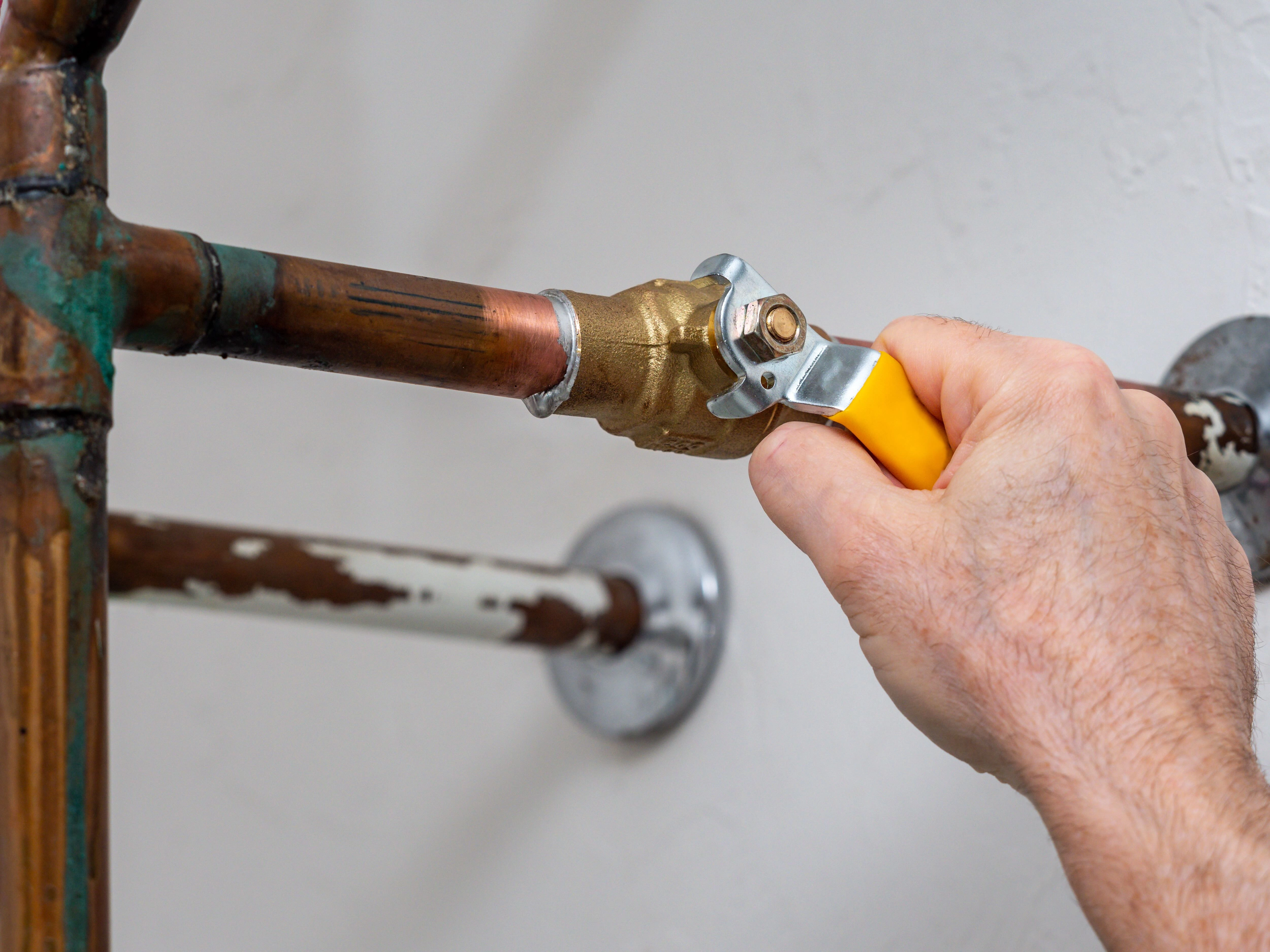
Knowing the location of your water shut-off valve can be a lifesaver during an emergency, like a burst pipe or major leak. Most valves are located outside your home (near the water meter) and can be operated with a lever or round handle. If you can’t find it, ask your plumber for guidance.
Steve Schafer of Allstar Plumbing
Trenchless technology has revolutionized sewer line replacement, making it faster and less disruptive. By pulling a new pipe through the old one using a technique called “pipe bursting,” homeowners can avoid tearing up their driveways or lawns. However, the method only works under certain conditions—there needs to be enough clearance at both ends and the pipe must be relatively straight. A full video inspection can determine whether trenchless replacement is the right solution for your sewer issues.
Matthew Hechim of Water Heaters Masters Inc.
Water heaters often get overlooked until something goes wrong, but regular inspections are essential for maintaining both safety and performance. In earthquake-prone areas like the Bay Area, it’s crucial to make sure your water heater is properly strapped to the wall—two straps (one on the upper third and one on the lower third) will help prevent it from tipping over during a quake. In addition to ensuring safety, always check for leaks, especially around the water lines and drain valve.
Frans Cartwright of Better Water Heaters
When choosing between a conventional water heater and a tankless model, it’s important to weigh the pros and cons of both. Conventional water heaters are familiar and cost-effective, producing up to 75 gallons of hot water per hour, but they do require regular maintenance, like annual flushing to remove sediment buildup. Tankless water heaters, on the other hand, offer an endless supply of hot water and greater energy efficiency, but their higher upfront cost and installation requirements may make them more suitable for large households or those with high hot water needs. Consider your usage patterns and budget when making your decision.
Ricardo Lopez of Superior Plumbing & Drain Cleaning Services
If your home’s faucets, showerheads, or toilets are constantly running or dripping, the issue might be too much water pressure. Ideal residential water pressure falls between 60 and 80 psi—anything higher can strain your plumbing and lead to leaks. In homes located on hills, pressure can easily exceed this range, reaching up to 120 psi. The solution is simple: Install a water pressure regulator. It’s a small, affordable fix that can save you from dealing with expensive repairs down the line.
Faren Reyes of Discover Plumbing & Rooter
For homeowners with older plumbing systems, updating components like pipes, water heaters and toilets can drastically improve performance. However, full-scale replacements can be costly, so if you’re not ready for a complete overhaul, hydro jetting is a great way to maintain your system. This service clears out clogs and buildup from sewer and drain pipes, ensuring smooth operation and preventing backups. Having hydro jetting done every three to six months will keep your plumbing in top shape, and many plumbers offer discounted rates for repeat service.
Mostafa Sowadah of One Source Plumbing and Rooter, Inc.
If you’re dealing with a toilet that requires multiple flushes, sediment buildup in the jet holes is likely the cause. Over time, minerals from hard water can clog these small holes, reducing water pressure and making flushing less effective. Luckily, cleaning out these holes is simple—just use a safety pin or pencil to clear away the sediment. Doing this twice a year will ensure your toilet flushes properly.
Ernie Ongaro of Ongaro & Sons
Saving water and energy in California doesn’t always require major home upgrades. You can start by taking advantage of local programs like Energy Upgrade California’s Home Upgrade, which offers rebates for a range of home improvements, including water-efficient appliances and insulation. Even if you’re on a budget, simple steps like installing water-saving faucet aerators and showerheads can lower your utility bills.
Kyle Barnhart of Mike Testa Plumbing, Inc.
Water heater maintenance is often neglected, but regular care is crucial to prevent performance issues and costly repairs. Tankless models require annual flushing with a descaling solution to clear out mineral buildup, while traditional water heaters only need an annual drain to remove sediment at the bottom of the tank. For traditional units, homeowners can easily handle this themselves by turning off the gas and water supply, draining the tank with a hose, and then refilling it.
Cameron Mason of Mason Plumbing, Inc.
Waiting for your shower to heat up is a thing of the past with hot water recirculation systems. These pumps deliver instant hot water to even the most distant plumbing fixtures. Modern systems like Grundfos’ Comfort System use a timer to provide hot water on demand, which cuts down on wait times and conserves water. With an estimated annual savings of 16,000 gallons in a four-person household, installing a hot water recirculation pump is a smart investment for those looking to save water and energy.
Hamid Rod Tehrani of Absolute Plumbing and Drain
Sewer line repairs don’t have to mean major disruptions to your home. For minor damage, epoxy coatings can smooth out cracks and extend the life of your pipes. However, for severe damage, trenchless sewer line replacement is a game-changer. Using this method, a new liner is pulled through your old pipe, which avoids the need for extensive digging. It’s a faster, less intrusive option that saves both time and money.
Dominic Capito of Elite Plumbing Services
Tankless water heaters need to be regularly flushed to keep them running smoothly, especially in areas with hard water. Sediment buildup can clog the internal pipes, shortening the unit’s lifespan. Flushing at least once a year is recommended, but if you have hard water, you may need to do it more frequently. To reduce the buildup, consider installing a whole-home water filter to remove minerals before they reach your water heater.
Daniel Tseyref of Chosen Rooter & Plumbing, Inc.
Toilets are notorious for silent leaks that waste water without being noticed. The easiest way to check for a leak is by adding a few drops of food coloring to the tank and waiting a few hours. If the color appears in the bowl, you have a leak, usually from a worn-out flapper. Replacing the flapper is a simple fix that can be done yourself, saving both water and money. Don’t forget to turn off the water supply before starting, and always take the old flapper with you when buying a replacement.
Roman Scanagatta of Roman’s Plumbing, Inc.
If you want to improve your drinking water quality, reverse osmosis (RO) systems are a popular choice, but they come with some trade-offs. While they remove harmful contaminants like chlorine and lead, they also strip out beneficial minerals and waste a lot of water (about four gallons for every one produced). A better solution might be a single-stage, point-of-use filter, which removes only the bad stuff without the inefficiency of an RO system. Always have a plumber assess your home’s water quality before making a choice, especially if you rely on well water.
Tom Cortez of Savior Plumbing, Inc.
Chronic sewer line backups are often a sign of deeper issues within your plumbing system. Thankfully, modern technology has made diagnosing and repairing these problems easier and less disruptive. With in-line cameras, plumbers can now inspect your sewer line without digging up your yard, which allows them to pinpoint issues like root blockages, pipe separations and flat spots. For repairs, trenchless technology allows plumbers to replace or fix damaged pipes in just a few hours without tearing up your landscaping.