What to Know at Each Step of Your Project

Choosing the Right Paint for an Interior Project

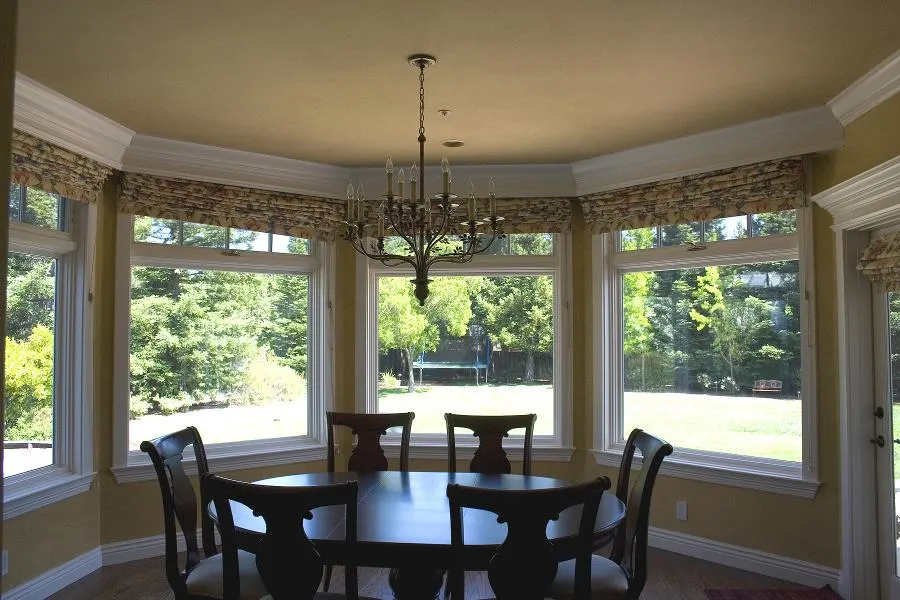
There’s more to interior painting than choosing a new paint color. Location, sheen, safety and quality of paint also matter. Learn how to choose new paint.

essential beforejob

Painting the “Fifth Wall”: The Importance of Ceiling Color and Sheen

Ceilings, also called the fifth wall, deserve special treatment. Learn how to use color and creativity to make ceilings add to a room’s design and décor.

essential beforejob

Industry Organization Spotlight: PCA

Why should you hire a painting company that’s a member of the Painting Contractors Association (PCA)? Here’s what to know.

essential beforejob

Diamond Certified Experts: Pro Painting Tips

Read professional advice for home painting. Learn how to choose colors, touch up paint dings, paint ceilings and more.

essential beforejob

Tools in this Guide

The Diamond Certified Resource Painting, Coating & Exteriors Blog

Guide Banner

Choosing the right paint for your home's exterior is crucial not only for aesthetic appeal but also for ensuring the longevity and protection of your home's structure.

Posted By Matthew Solis

Choosing the right paint for your home's exterior is crucial not only for aesthetic appeal but also for ensuring the longevity and protection of your home's structure. The exterior paint must
withstand varying weather conditions and maintain its look over time. Here’s how to select the best exterior paint for your home: 

Consider the climate. The climate you live in will greatly influence your paint choice. For humid climates, choose paint that is mildew-resistant. In areas with high sun exposure, opt for UV-resistant paint to prevent fading. For colder regions, a paint that can withstand freezing temperatures and moisture is ideal. 

Select the right type of paint. There are primarily two types of exterior paints: latex-based (acrylic) and oil-based (alkyd). Latex
paints are popular due to their ease of clean-up, quick drying times, and flexibility, which reduces cracking. Oil-based paints are prized for their durability and resistance to wear and tear but can be more challenging to apply and maintain. 

Pick the proper sheen. The finish of your paint can affect both the appearance and maintenance of your home. Gloss and semi-gloss finishes are durable and easy to clean, making them good choices for trim, doors, and areas that might require frequent washing. Flat or matte finishes, while less durable, can help hide surface imperfections on older homes' siding. 

Invest in high-quality exterior paint. Higher quality paints contain better pigments and resins, and less water. They adhere to surfaces more effectively, offer better coverage, and can withstand the elements for longer periods. Though more expensive, premium paints can save you money and labor over time due to reduced maintenance needs. 

Prep the surface. Proper preparation is key to a long-lasting paint job. Ensure the exterior is clean, dry, and free of peeling paint, dirt, and grime. Repair any cracks, holes, or uneven surfaces. Use a high-quality primer suited to your type of siding. Good preparation prevents moisture penetration and ensures better adhesion of the paint to the surface. 

Consider environmental regulations. Some regions have restrictions on VOCs (volatile organic compounds) in paint due to their impact on air quality. Check the regulations in your area and opt for low-VOC or zero-VOC paints if necessary. These paints are better for the environment and reduce the exposure to harmful chemicals. 

Consult professionals. If unsure, consult with a professional painter or specialist at your local paint store. They can provide valuable insights based on your specific conditions and preferences.

Homeowners in the Denver area can explore Urban Exteriors LLC’s exterior painting services when comparing contractors for their next project.

Test the paint. Before fully committing to a color or finish, buy a small amount of paint to test on a small area of your home’s exterior. Observe how the color looks at different times of the day and how it complements your home’s style and environment. 

Use Diamond Certified Resource to find top rated companies. 

Local, Top Rated Diamond Certified Companies Related to
Your Topic
Santa Clara County Painting Companies
San Francisco Painting Companies
Contra Costa County Painting Companies
Alameda County Painting Companies
Marin County Painting Companies 

Related Articles
The Homeowner's Guide to Painting, Coating & Exteriors
Get Expert Advice From Owners of Top Rated Local Companies
Become a Diamond Certified Preferred Member (Always Free) Find Top Rated Companies in the San Francisco Bay Area 
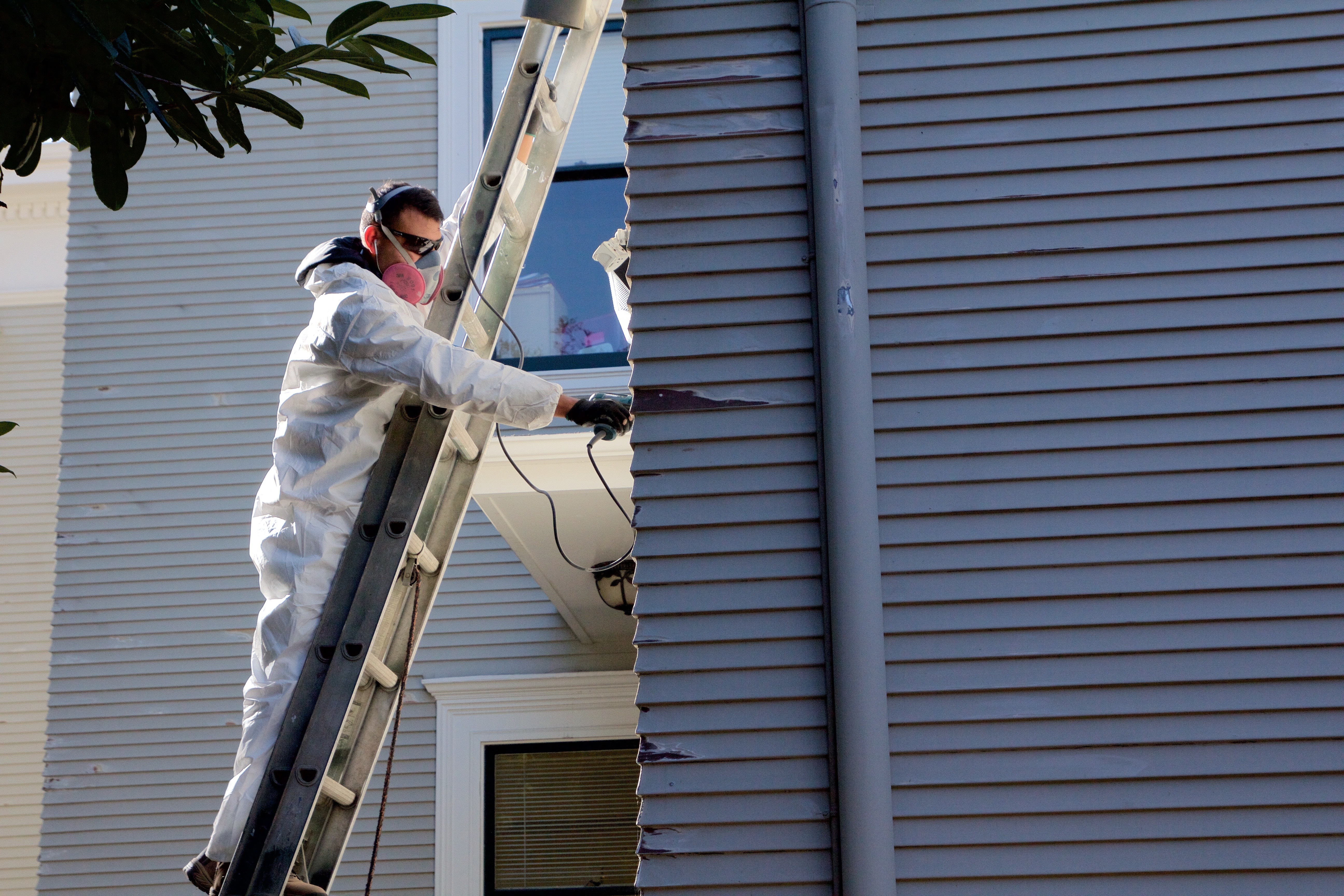
Read more about "How to Choose the Right Paint for Your Home’s Exterior"

Search the Diamond Certified Resource Painting, Coating & Exteriors Blog

Popular Posts on Painting, Coating & Exteriors from the Diamond Certified Resource Blog

See More Posts on Painting, Coating & Exteriors...

Diamond Certified Expert Contributors Painting, Coating & Exteriors

Soumil Amin

Soumil Amin

Owner
CertaPro Painters of Berkeley

Soumil Amin: In Living Color

OAKLAND — When planning for a house painting project, a crucial concern to keep in mind is lead safety. Any house built prior to 1978 has the potential to contain lead-based paint; even if more recent layers of paint don’t contain lead, the lower layers likely do. So, when painting any pre-1978 home, it’s best to assume lead is present and take proper precautions. While this entails a bit of extra work, it’s worthwhile to keep yourself and your family safe from lead exposure. Follow these lead-safe painting guidelines: Employ wet-sanding techniques. Use a mister to wet painted areas prior to sanding or scraping. Whereas dry sanding allows particles to enter the atmosphere, Read more

Steve Roberts

Steve Roberts

Owner
Steve Roberts Painting

Steve Roberts: Bases Coated

WALNUT CREEK — Interior painting is a common DIY project, but if you aren’t careful, you can end up making some major mistakes. Here are a couple of common ones to avoid: Painting over an oil base with latex One common DIY painting mistake is applying latex paint over an oil-based surface without proper preparation. While most of today’s house paints are water-based, many homes have oil-based paint on the walls, and as everyone knows, oil and water don’t mix. The new coat of water-based paint may look good at first, but soon after drying, it’ll start peeling off in sheets. To avoid this, you’ll need to sand down the existing paint surface and prime it before painting. Read more

Greg Kuzmicki

Greg Kuzmicki

Owner
Solidarity Painting, Inc.

Greg Kuzmicki: A Brush with Destiny

SANTA ROSA — Dry rot isn’t something most homeowners think about, but by the time you notice it in your home, you’ll wish you had. Dry rot damage can be extremely detrimental to a home’s structure and the removal and subsequent repairs can be very costly, which is why dry rot prevention is one of the most important things you can do to protect your home. First and second causes The main instigator of any dry rot infestation is latent moisture, but there are numerous secondary causes that contribute to its development. One the most common is poor construction. When building a new home, some inexperienced contractors neglect to adequately prime and seal the edges of the siding panels. Read more

Jay Furlong

Jay Furlong

CEO
Stanford Painting, Inc.

Jay Furlong: A Fresh Coat

MOUNTAIN VIEW — Prior to winter, it’s a good idea to prepare your home exterior for the windy, rainy weather. You can do this by inspecting your home exterior for any moisture-vulnerable areas and sealing them with an appropriate product. These include any areas of exposed wood (which should be sealed with primer) and any gaps or holes (which should be filled with caulking or patched with an appropriate exterior sealant). By keeping water from permeating your home’s wood, this annual step can go a long way toward prolonging the life of your house paint. Read more

Joel Gruber

Joel Gruber

Owner
Gruber Painting

Joel Gruber: Choosing a Focus

SAN JOSE — When it comes to choosing interior paint, most homeowners tend to focus on wall and accent colors, but it’s also important to consider trim color. Although trim is generally white, choosing the right hue of white is no simple matter. From cooler whites to warmer whites to off-whites and everything in between, there are countless variations of white paint to choose from. Additionally, when choosing white trim, you need to account for all the existing whites in your home, like white doors, windows, ceilings, cabinets and appliances. Furthermore, white paint can take on warm or cool tones depending on the subtle hues that are mixed in, so it’s important to look at your trim in the context of your wall and accent colors. Read more

Browse painting-coating-exteriors Info for Homeowners by
Topic from Diamond Certified Resource

Diy

How To Paint Over Oil-Based Paint

OAKLAND − Repainting your home interior may seem like a simple task, but it can get complicated fast if you aren’t careful. For example, since many older homes still have oil-based paint on the walls and trim, attempting to paint over these with newer, water-based paint can result in a literal “oil and water” situation. To avoid this, you’ll need to employ the right techniques. First, sand the oil-based surface with a 200-grit sandpaper, which will remove the top layer of gloss and provide a better surface for the new paint to adhere to. Keep in mind that in homes built before 1978, lead-based paint may be a concern. To be safe, use an EPA-certified Festool sander, Read more

essential beforejob

How to Get Clean Lines with Interior Painting

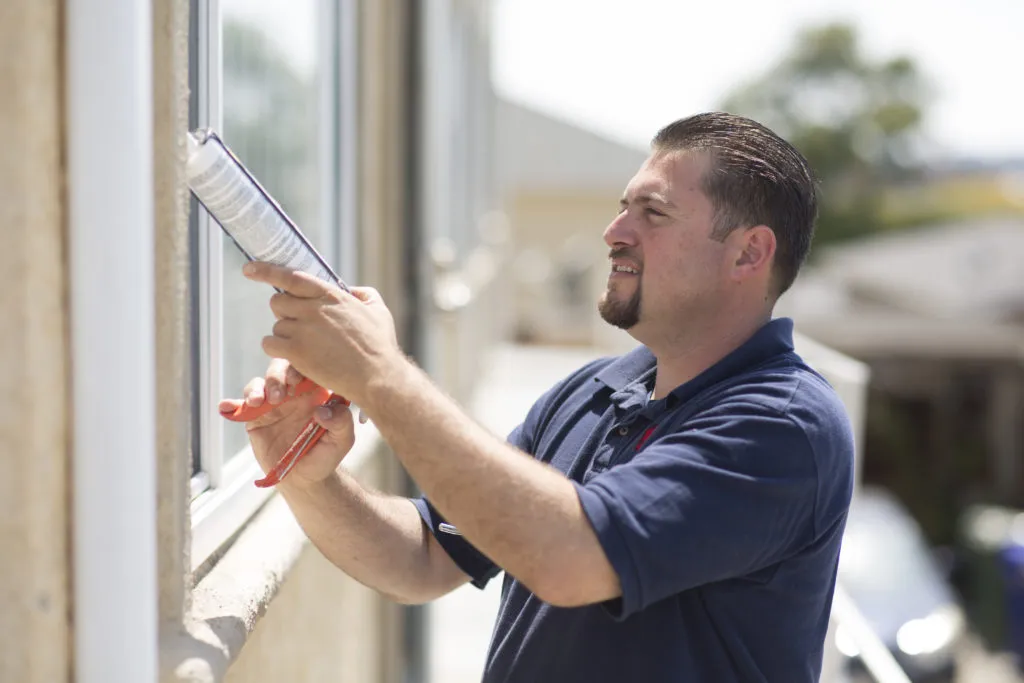
FORESTVILLE — When painting your home’s interior, knowing the right techniques can go a long way toward achieving a beautiful result. One such technique is using caulking to get clean lines when painting with different colors on adjacent walls and ceilings. Applying a bead of caulking to the seam where two sections meet (for example, where the ceiling meets the wall) will provide a smooth surface for cutting in with your paint, resulting in a nice, straight line. Here are a few tips for caulking application: Always wipe the tip of your caulking gun prior to use. As you apply caulking, press the gun’s tip against the seam and apply consistent pressure to the trigger. Read more

essential beforejob

An Alternative for Cleaning Paint Brushes

SAN MATEO — After completing a painting project, the next thing to do is clean your brushes and other painting tools. This can be a frustrating process, not only because it’s messy, but also because you have to exercise care when handling and disposing of solvents like paint thinner, which is considered a hazardous waste substance. However, if you’re using oil-based paint, you’ll be glad to know there’s a natural alternative to conventional solvents: vegetable oil. The benefits of using vegetable oil to clean your painting tools are obvious: It has the same effect as paint thinner, but without the toxicity. Also, you don’t have to worry about getting it on your skin or disposing of it properly—just pour it down your kitchen sink. Read more

essential beforejob

How to Apply Water-Based Paint Over An Oil-Based Surface

LOS GATOS — While environmentally-friendly materials offer a healthier approach to home improvement, they aren’t always compatible when used alongside traditional ones. One example of this is using a water-based paint on an oil-based surface. While it may take a while to show, when water-based paint is applied to an oil-based surface, it results in problems. This is essentially due to the well-known rule that oil and water don’t mix. Because of the new coat’s water-based constitution, it will fail to bond properly with the existing oil-based surface and eventually start to peel right off the wall. Since many homes contain oil-based surfaces, if you’re planning to use a water-based paint product, Read more

essential beforejob
See all Expert Info on Diy

Diy Projects

Hiring And Evaluating

Home Improvement Basics

Home Maintenance

Paint And Finishes

Painting Basics

Preparation

Techniques

Become a Diamond Certified Preferred Member Today!

preferred membership
  • ALWAYS Free Membership
  • Member Hotline
  • Double Diamond Certified Performance Guarantee
  • Monthly E-Newsletter
  • Diamond Certified Directory Updates
Become a Diamond Certified Preferred Member and receive each of the following elite membership advantages:
1.
A Double Diamond Certified Performance Guarantee. Every Preferred Member transaction is backed with a $2000 guarantee, rather than the standard $1000 Diamond Certified Performance Guarantee
2.
Digital Downloads. Members only digital publications and downloads of our Digital Directories, Expert Advice, Video Tips and much more!
3.
Preferred Member Hotline. A special member hotline phone number that you'll always call for live help, questions or problem resolution
4.
Monthly E-Newsletter. A free subscription to our Diamond Certified Resource monthly e-newsletter containing important tips, advice and updates to keep you informed.

Consumers Rely on Diamond Certified Resource

consumer Rely
"“I always want to make sure I’m dealing with a business that’s professional, and the Diamond Certified Company I choose did honest, straightforward work.” "

Lasonja Zeigler

Consumer

consumer Rely
"“Seeing the Diamond Certified symbol on their website made me more confident to call and make an appointment. The experience was great and it reassured me that I made the right choice.” "

Rosanna Papageorge

Consumer

See Other Guides

Browse Our Guides

  • otherguide icon
  • otherguide icon
  • otherguide icon
  • otherguide icon
  • otherguide icon
  • otherguide icon