
If you experience a plumbing backup in your home, it’s often a symptom of a larger problem. Clearing the blockage may get your drains flowing again, but it won’t tell the full story of what caused the backup or whether it’s likely to happen again.
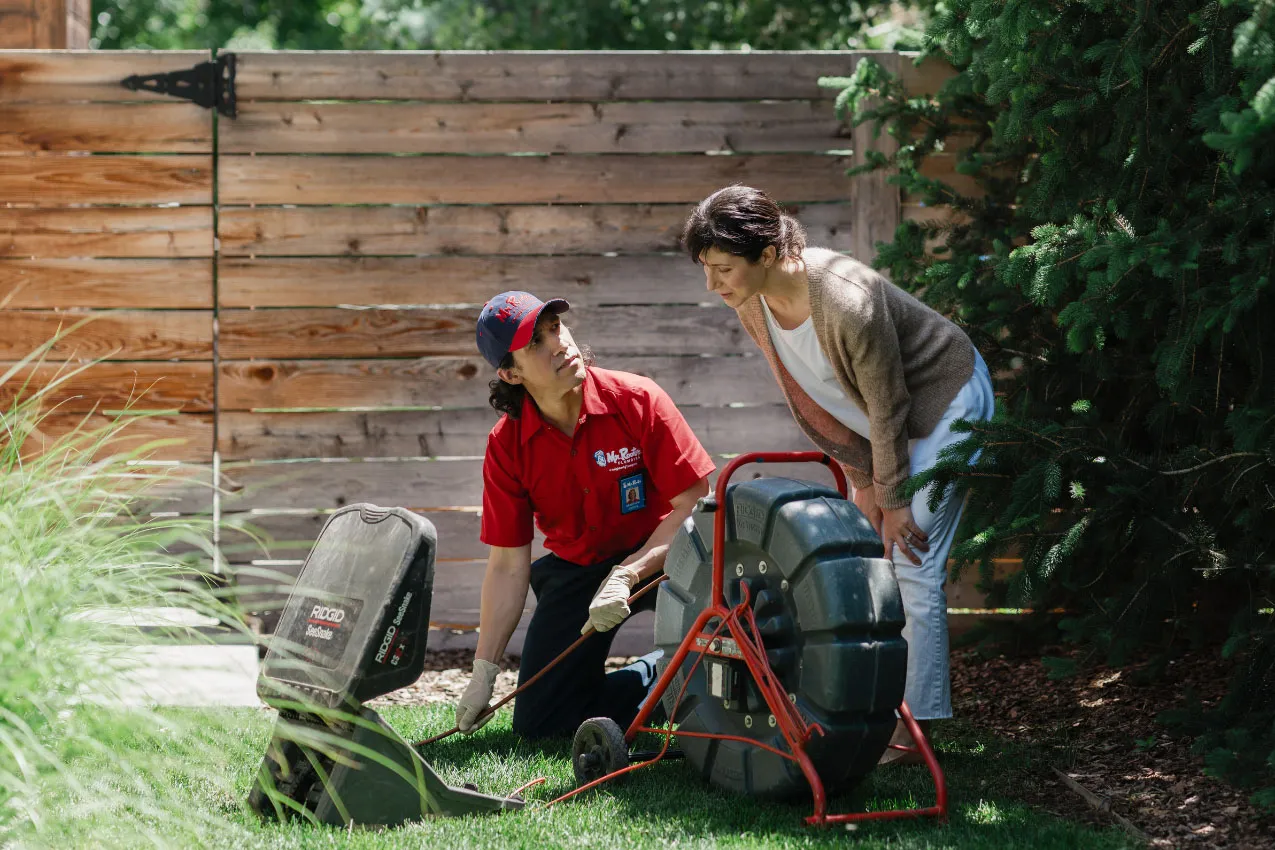
Whether your plumbing backup involves a kitchen, laundry or main sewer line, you should consider having a video inspection performed after the blockage is cleared. A plumber will insert a small camera through a cleanout, toilet flange or other access point to inspect the inside of the pipes. This can reveal problems such as:
Cracked or shifted pipes
Ground movement and earthquakes can cause sections of piping to move or break.
Root intrusion
Tree roots can enter damaged or separated pipes and restrict wastewater flow.
Sags in the line
Low sections of pipe can hold water and waste instead of allowing them to drain properly.
Deteriorated piping
Older materials like cast iron can corrode over time, causing leaks beneath the home.
Broken supports
Damaged pipe straps can let plumbing lines sag and create drainage problems under your house.
By identifying the underlying condition of your pipes, you can determine whether further repairs are needed and reduce the likelihood of another unexpected backup in the future.