.webp?w=3840&q=75)
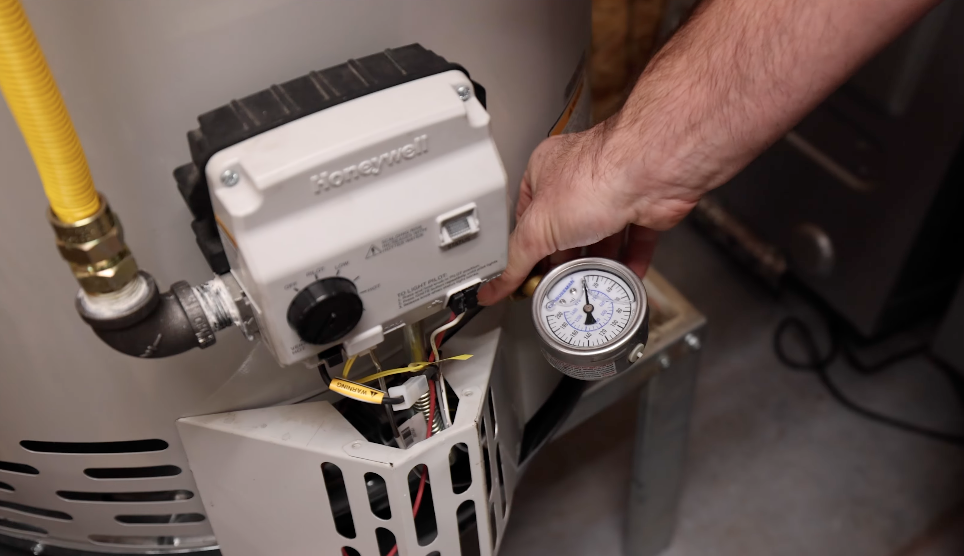
The water pressure in your home may seem like a background detail, but it actually plays a major role in the health and longevity of your entire plumbing system. Think of it like blood pressure in your body: When it’s too high, it creates unnecessary stress on vital systems. The same is true for your home. Residential plumbing is designed to operate within a specific water pressure range—ideally between 40 and 80 pounds per square inch (PSI). If the pressure climbs above that, the constant stress can damage fixtures, valves, appliances and even the pipes themselves.
Unchecked high water pressure can lead to numerous issues. You might notice leaky faucets, toilets that run continuously or strange noises when water is flowing. More seriously, it can shorten the lifespan of appliances like dishwashers and washing machines, and it can even cause pipe joints and water lines to fail.
That’s why it’s smart to include water pressure testing as part of your regular home maintenance routine. A plumber can quickly test your pressure with a gauge and determine whether any adjustments need to be made. If the pressure is too high, installing a pressure reducing valve (PRV) is an effective and affordable solution that helps safeguard your home for the long haul.