.webp?w=3840&q=75)
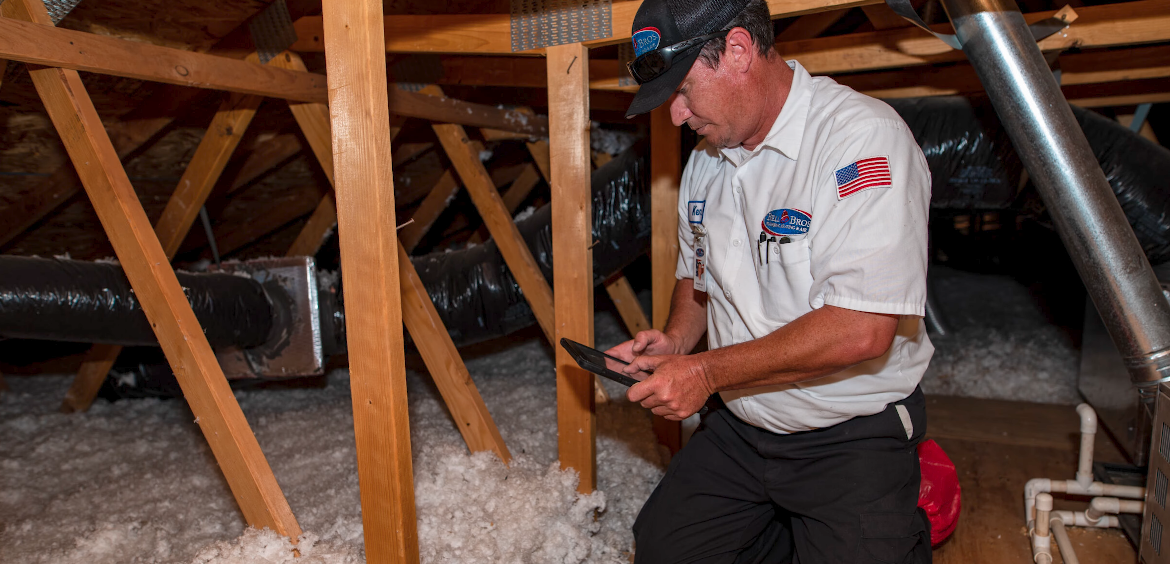
If you’re thinking about replacing your HVAC system, it’s tempting to focus on installing the most efficient unit you can afford. But true energy efficiency isn’t just about the equipment—it’s about how your home works as a system. That’s why HVAC experts recommend taking a whole home approach and evaluating not just your heating and cooling unit, but also your ductwork, insulation, windows, doors, and other key components that affect energy use and indoor comfort.
A high-efficiency HVAC system won’t deliver the savings you expect if your home is leaking air. Poor attic insulation and old ducts, for example, can significantly undermine the performance of even the best equipment. Likewise, drafty windows or poorly sealed doors can let conditioned air escape while outdoor air seeps in.
One of the best ways to address these weak points is to schedule a home energy audit. A technician will evaluate your entire home (including the attic and crawl space) to identify areas of air leakage and insufficient insulation. Tools like thermal imaging cameras can detect problems that aren’t visible to the naked eye, like cold spots behind walls or heat loss through the ceiling. With this information, you can make targeted improvements that ensure your HVAC system works in harmony with your home.