.webp?w=3840&q=75)
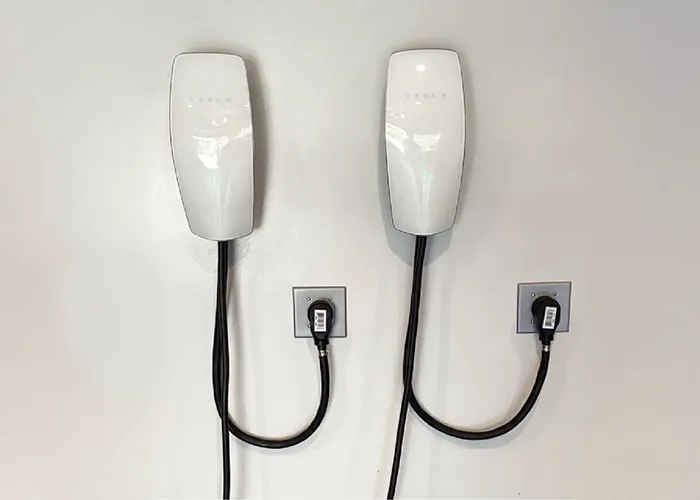
As electric vehicles (EVs) become more popular, one of the biggest questions for new owners is, “Where will I charge it?” While public charging stations are expanding, many EV drivers prefer the convenience of home charging. Understanding your options can help you decide which setup makes the most sense for your needs.
The most basic option is a Level 1 charger, which plugs into a standard 120-volt outlet. While this is the simplest solution, it’s also the slowest—it often takes more than 24 hours to fully charge a battery. This might work for drivers with short commutes or plug-in hybrids, but most EV owners quickly outgrow it.
The most popular home charging option is a Level 2 charger. These systems run on a 240-volt circuit and can fully charge most EVs overnight. They come in various amperage levels that determine how fast they charge, so the right choice depends on your vehicle and your home’s electrical capacity.
Before installing a Level 2 charger, it’s important to consult with a licensed electrician. Not all home electrical panels can support high-powered chargers, so make sure to have a professional evaluate your system and recommend the best solution.