
Q: What makes someone a quality roofing customer?
A: Ideally, it’s someone who asks thoughtful questions and shows genuine interest in the project instead of being heavily focused on price. Rather than simply saying, “The roof is up there, give me a quote,” it helps when a homeowner explains what’s motivating the project and what concerns they have. Some people reroof because they want a new look. Others are dealing with leaks, and some are required to make changes because of their insurance company. Understanding those factors helps us determine the best approach and provide the best possible service.
Q: How important is it for homeowners to be transparent about their goals and concerns when speaking with a roofer?
A: It’s very important. California consumers in particular are often conditioned to get three bids, and going through that process can become exhausting. Still, being forthcoming with information ultimately helps the homeowner. When I’m making a purchasing decision, I may look at the high price, low price and middle price, but ultimately I choose based on who I feel most comfortable working with. When homeowners are open about what they want and what concerns them, it’s easier to build that connection and determine whether the contractor represents the integrity and quality they’re looking for.
Q: Homeowners often research roofing online before meeting with contractors. How should they approach that information?
A: When people are dealing with something outside their area of expertise, they naturally turn to the internet because they want to educate themselves. Unfortunately, the internet can provide a lot of conflicting information. My advice is to bring those concerns to the contractor. Talking about them openly will give the contractor an opportunity to explain whether those concerns apply to the project and what can be done to address them.
Q: What should homeowners consider when it comes to communicating with their roofing contractor?
A: The first thing is to establish the best form of communication. Every company has its standard way of communicating, but email may not work well for everyone. Some customers prefer text messages, phone calls, emails or a combination of those. I personally prefer to over-communicate—it eliminates some of the guesswork and ensures important information gets communicated when it’s needed.
Q: How can homeowners and contractors set expectations about communication at the beginning of a project?
A: Homeowners should communicate their availability and how flexible they are. Some people have jobs where they simply can’t answer phone calls or emails during certain hours. It helps to establish appropriate times and methods for communication and to understand which decisions are time-sensitive. For example, if a roofing project is coming up and the homeowner still hasn’t selected a color, that decision could delay the project. Everyone should understand what requires an immediate response and what can wait.
Q: How can a homeowner signal to a contractor that they’ll be a good customer to work with?
A: I think it comes down to a combination of communication, information and expectations. If a homeowner lays those things out clearly during the initial conversation, it tells me they’re thoughtful and they want the project to run smoothly. That’s ultimately what everyone wants. Both the homeowner and the contractor have plenty of other things going on in their lives, and neither side wants a nightmare project.
Q: Can you give an example of a recent project where good communication between you and the customer made a difference?
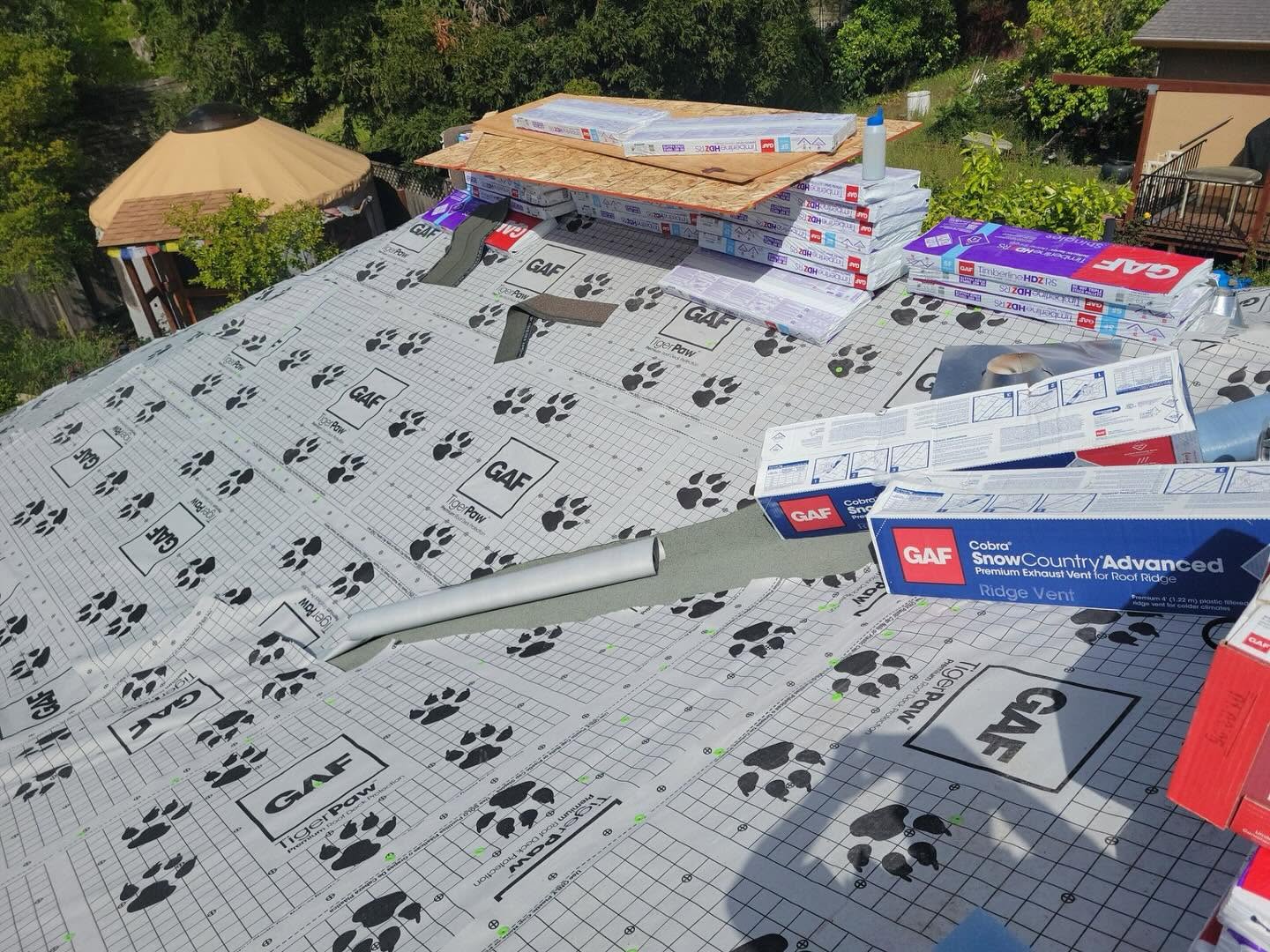
A: We recently completed a reroofing project on a multifamily property, so there were a lot of people involved and several residents whose daily lives were being disrupted by the work. The property owner was very communicative and appreciated the communication we provided. Quality was extremely important to her, which aligned well with the way we approach our work.
We ran into a minor issue involving intake screens that were being installed as part of an effort to make the structure more fire-hardened. The existing intake ventilation wasn’t a standard fit, so we had to work through several possible solutions. There was good collaboration throughout that process. Both sides understood that the situation wasn’t ideal, but we were focused on finding the right solution. That type of understanding and flexibility made her an ideal customer.
Q: What types of roofing projects are the best fit for Crandall Roofing?
A: Residential reroofing projects are typically our bread and butter, especially for homeowners who take a lot of pride in their homes and want to protect that investment. We also do a lot of roof repairs. When there’s significant wet weather, we expect the repair side of the business to stay especially busy because existing roofing problems and deferred maintenance tend to become more noticeable.
Q: What roofing maintenance should homeowners take care of before the rainy season?
A: Homeowners should make sure their gutters are clear of debris and roof valleys are also kept clear so water can drain properly. Another common source of leaks is around plumbing and soil pipe penetrations through the roof. Those areas often rely on rubber or neoprene components that can deteriorate over time.
If homeowners aren’t comfortable getting on the roof themselves, they should contact a roofing contractor to perform an inspection. The goal is to be preventive rather than reactive. It’s much better to identify a potential problem before water starts entering the house. Overflowing gutters and roof leaks can cause wood components to remain wet, which can eventually lead to dry rot. Preventive maintenance can help homeowners avoid those larger problems.
Q: Crandall Roofing has been Diamond Certified since 2015. What value does Diamond Certified provide to your company?
A: We know that the customers who use Diamond Certified tend to care about quality. They aren’t simply looking for the cheapest or quickest option—they’re interested in getting strong value for their money. As a consumer myself, I appreciate having somebody vet the companies I’m considering. I like ratings and learning about other customers’ experiences, so I see the value of Diamond Certified both as a member company and as a consumer.
Q: How does Crandall Roofing use its Diamond Certified status in its marketing and customer communications?
A: We include our Diamond Certified brochure in the presentation package that we give to every potential client. We also include a link to our Diamond Certified information in every email, and our company vehicles have Diamond Certified stickers and magnets. We are proud of being Diamond Certified and want people to know that we’ve earned it.
Q: What would you like homeowners to know about Crandall Roofing overall?
A: Crandall Roofing has been focused on serving our community since 1995, and we care deeply about the people who live here. We’re an integrity-based company, so we pride ourselves on doing the right thing even when it isn’t the easiest thing. Ultimately, our people and our processes set us apart.
Crandall Roofing Inc.
|
Crandall Roofing Inc.
Choose
phone #
Diamond Certified Company Report Menu
Majestic mountain landscape at sunrise
How to Get a Quality Roof Job: A Conversation With Thomas Carrell
Thomas Carrell, general manager of Crandall Roofing Inc., explains how clear communication, realistic expectations and preventive maintenance contribute to a quality roof job.
Crandall Roofing Inc. is presented in these Diamond Certified Resource Category Reports
marin County, CA
sonoma County, CA
Schedule Now or Call with Questions