
SANTA ROSA — Fire safety has always been a concern with roofs, but with the recent wildfire crises in California, it’s more important than ever. To ensure your roof is optimally fire-resistant, consider the following aspects:
Roofing materials
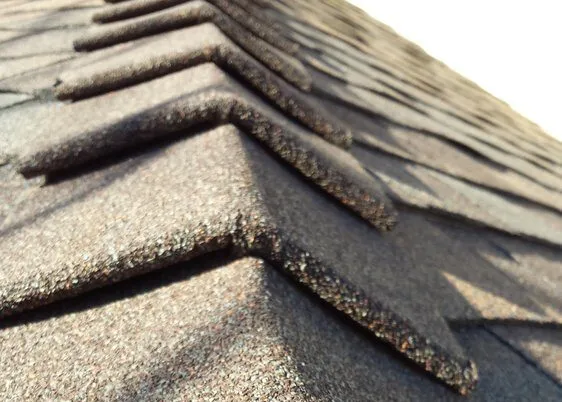
The surest way to maximize a roof’s fire resistance is to use Class A fire-rated materials at the time of installation. Roofing materials are tested by Underwriters Laboratories (UL) and given a rating of A, B or C, with Class A being the most fire-resistant. There are several roofing products available in this class, including shakes and shingles. Additionally, Class B and C roofing materials can typically meet Class A requirements when additional underlayment materials are used. Talk to your roofer about the best option for building a fire-safe roof.
Ventilation
While ventilation is crucial for the lifespan of your roof, in the event of a wildfire, air movement in and out of the attic can bring in stray embers. To avoid this risk, all roof vents should be fitted with 1/8th-inch wire mesh coverings. Most contemporary houses have louvers on ventilation screens that already meet this requirement. If you’re unsure, ask your roofer to inspect your roof vents for proper protection.
Gutters
Besides causing clogs when it rains, dry leaves and other debris buildup in rain gutters increase the risk of and contribute to the spread of wildfire. To prevent this, have your gutters cleaned on a routine basis. If there are several trees around your home, you may need to have them cleaned more often (at least twice a year).