.webp?w=3840&q=75)
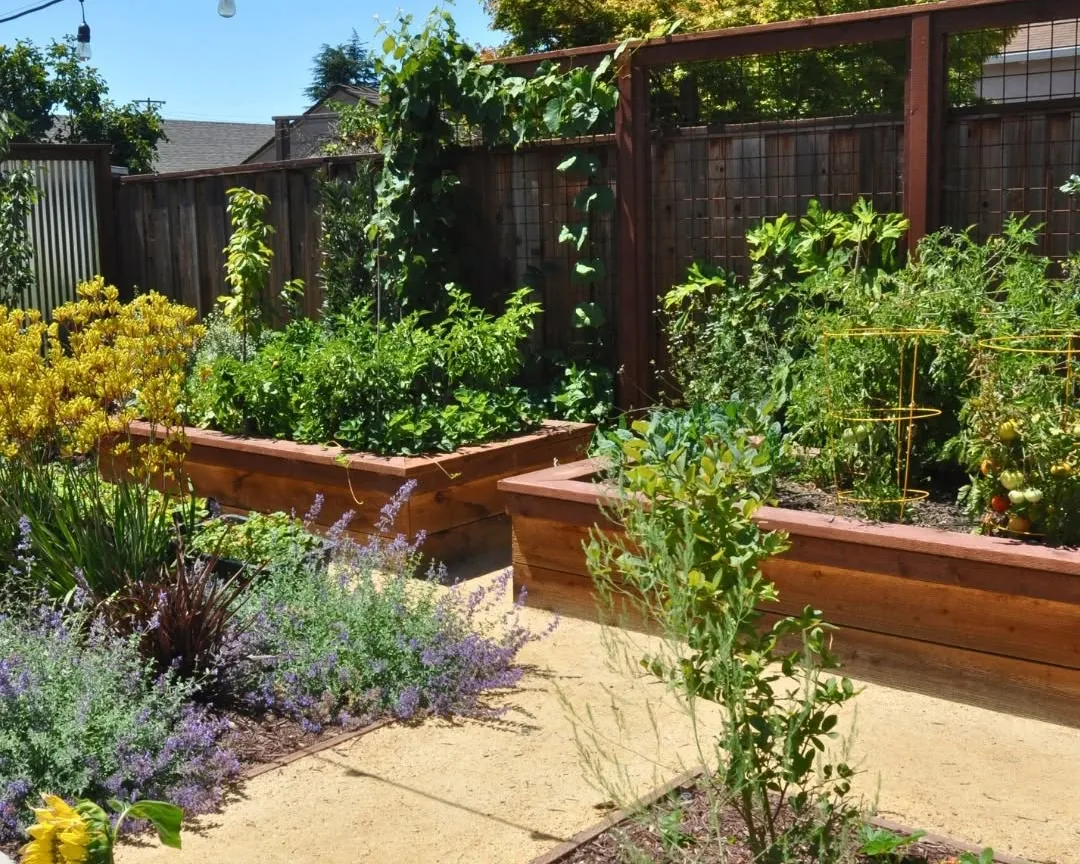
Newly installed plants often struggle or die because they aren’t planted with the right soil preparation or drainage setup. In many cases, the problem isn’t the plant itself—it’s the environment around the root ball. Proper planting techniques can dramatically improve a plant’s chances of surviving and thriving. Here are two key areas to focus on:
Prepare the soil before planting. When installing new plants, removing the native soil and amending it with nutrient-rich compost (like nitrogen-treated redwood compost) can make a major difference in long-term plant health. This creates softer, more fertile soil that encourages roots to expand and establish themselves more quickly. Slow-release fertilizer tablets can also provide consistent nutrients during the plant’s early growth stages.
Avoid planting too low. One of the most common planting mistakes is placing the root ball too low in the ground. If the plant sits flush with or below the surrounding soil, water can collect around the base and saturate the roots, which will eventually drown the plant. To prevent this, install your plants approximately two inches above the adjacent soil grade—it’ll create a slight mound that allows excess water to drain away while still providing proper irrigation.