<p></p> <img src="https://s3.us-east-2.amazonaws.com/dcr-apis/wp_contents/uploads/DCR-ADMIN/pest%20experts.jpeg" alt="undefined" style="height: auto;width: auto"/> <p></p> <p>From preventing ants and rodents to identifying termite activity and preparing for fumigation, effective pest control involves both prevention and timely treatment. These insights from Diamond Certified Expert Contributors will help you recognize common pest problems, reduce conditions that attract them and understand when professional assistance may be needed.<br><br><strong>Richard Estrada of </strong><a href="https://www.diamondcertified.org/report/atco-pest-control/" target="_self"><strong>ATCO Pest Control</strong></a><br>When dealing with an ant infestation, most homeowners reach straight for an over-the-counter insecticide, but that’s usually the wrong move. Those products don’t kill ants so much as scatter them, which sends the problem elsewhere in your home. A wet, soapy washcloth does the same job without introducing chemicals. Before you wipe away the trail, take a minute to trace it back and get a sense of where the ants are entering, since that helps a pest control technician zero in on the source. Ants come for food and food residue, so one overlooked culprit is unrinsed containers in the recycling bin. Rinsing those out (or better yet, keeping the bin away from the kitchen) will go a long way toward keeping ants from finding your home appealing.<br><br><strong>Brandy Straub of </strong><a href="https://www.diamondcertified.org/report/redwood-empire-termite-pest-control/" target="_self"><strong>Redwood Empire Termite & Pest Control</strong></a><br>Termites can rack up thousands of dollars in damage without warning and compromise your home’s structural integrity. Heavy rain raises the stakes, since water pooling under a house from poor drainage creates ideal conditions for subterranean termites, powderpost beetles, fungus and mold. The only reliable way to know if your home has these conditions is by getting a recurring inspection from a licensed termite professional. They can spot wood-destroying pests and fungi, along with related issues like leaks or foundation problems.<br><br><strong>John Williams of </strong><a href="https://www.diamondcertified.org/report/hi-tech-termite-control-of-the-bay-area-inc/" target="_self"><strong>Hi Tech Termite Control of the Bay Area, Inc.</strong></a><br>If a pest control company finds termites in your home, it doesn’t automatically mean fumigation—if the infestation is contained, a localized treatment can do the job. That’s why hiring a company to perform a thorough inspection is so important. A less careful company might jump straight to fumigating the entire house after spotting termites in one place, while a more diligent company will take the time to assess the full picture and recommend the correct treatment.<br><br><strong>David Osborn of </strong><a href="https://www.diamondcertified.org/report/osborn-spray-service/" target="_self"><strong>Osborn Spray Service</strong></a><br>A rat infestation ranks among the most unsettling pest problems a homeowner can face, but there are two simple preventive steps you can take. First, keep your roofline clear of vegetation. Tree branches and vines that touch your roof give rats an easy route into the attic, so trim anything within 18 inches. Second, seal exterior breaches like crawl space vents with damaged or missing covers, which let rats slip in and travel undetected toward the nearest opening.<br><br><strong>Janet Thrasher of </strong><a href="https://www.diamondcertified.org/report/thrasher-termite-pest-control-inc/" target="_self"><strong>Thrasher Termite & Pest Control, Inc.</strong></a><br>Pest control is essential for protecting public health and property. Changing weather patterns, global shipping, denser populations and increased travel have expanded the reach of pest-borne disease in ways North America once seemed immune to. Mice and rats top the list of concern, since they carry pathogens that contaminate food and living spaces. Cockroaches present similar risks, spreading disease through contact while also triggering asthma and allergies, particularly in young children. Mosquitoes have also grown more troublesome, with newer species like Aedes albopictus and Aedes aegypti proving difficult to eradicate and able to breed in minimal water. Ticks, though rarely indoors, can transmit serious illnesses like Lyme disease, which is hard to diagnose and can cause lasting symptoms. Staying alert to all of these threats, not just the most visible ones, is what modern pest control is about.<br><br><strong>Jim Rossi of </strong><a href="https://www.diamondcertified.org/report/presto-pest-control-inc/" target="_self"><strong>Presto Pest Control, Inc.</strong></a><br>If you suspect a bed bug problem, resist the urge to handle it yourself before a pest control professional takes a look. Washing bedding, reaching for a store-bought pesticide or relocating to another room might feel like the natural first move, but DIY approaches rarely solve bed bug infestations. Moving to a different room can even backfire—bed bugs tend to fixate on a specific person and will often follow to a new sleeping spot, spreading the problem. Holding off on DIY fixes also keeps the environment untouched, giving your pest control technician a clearer picture of the infestation’s scope and the best way to handle it.<br><br><strong>Sarah Pape of </strong><a href="https://www.diamondcertified.org/report/armed-force-pest-control-inc/" target="_self"><strong>Armed Force Pest Control, Inc.</strong></a><br>If you’re buying a home, understanding the different types of inspections can help you make a more informed decision. A wood-destroying organism (WDO) inspection looks specifically for termites, carpenter ants, wood-boring beetles and other pests that can damage structural wood, while a broader pest inspection checks for rodents, bats, insects and signs of infestation that may point to other property issues. A general home inspection evaluates the home’s overall structure and major systems, including the roof, walls, floors, windows, doors, electrical, plumbing and HVAC components. Together, these inspections can reveal hidden problems, potential repair needs and conditions that may affect the purchase.<br><br><strong>Juan Gonzalez of </strong><a href="https://www.diamondcertified.org/report/intergrated-pest-control-management-inc/" target="_self"><strong>Intergrated Pest Control Management Inc.</strong></a><br>Rodents can damage property and create health concerns, so it’s important to address infestations quickly and take steps to prevent them from returning. A pest control professional can inspect your property for common entry points (cracks, gaps, unsealed utility openings) and recommend ways to seal them. Storing food properly, cleaning up spills and securing garbage can make your property less attractive to rodents, while eliminating debris, wood piles and other potential nesting areas can help prevent them from settling in.<br><br><strong>Shawn DeLong of </strong><a href="https://www.diamondcertified.org/report/great-wall-termite-control/" target="_self"><strong>Great Wall Termite Control</strong></a><br>Preparing your home for termite fumigation involves a few important steps that can help the process go smoothly. All consumable items (food, toothpaste, spices, medications) should be sealed in approved fumigation bags or removed, and pets and indoor plants must be taken out of the home. It’s also a good idea to remove valuables and check whether your security system needs to be turned off, since your windows may be partially opened for ventilation. Finally, coordinate gas service reconnection in advance so the utility company arrives after the fumigation tent has been removed and the home is ready for service. </p>
Top Tips From Diamond Certified Pest Control Experts
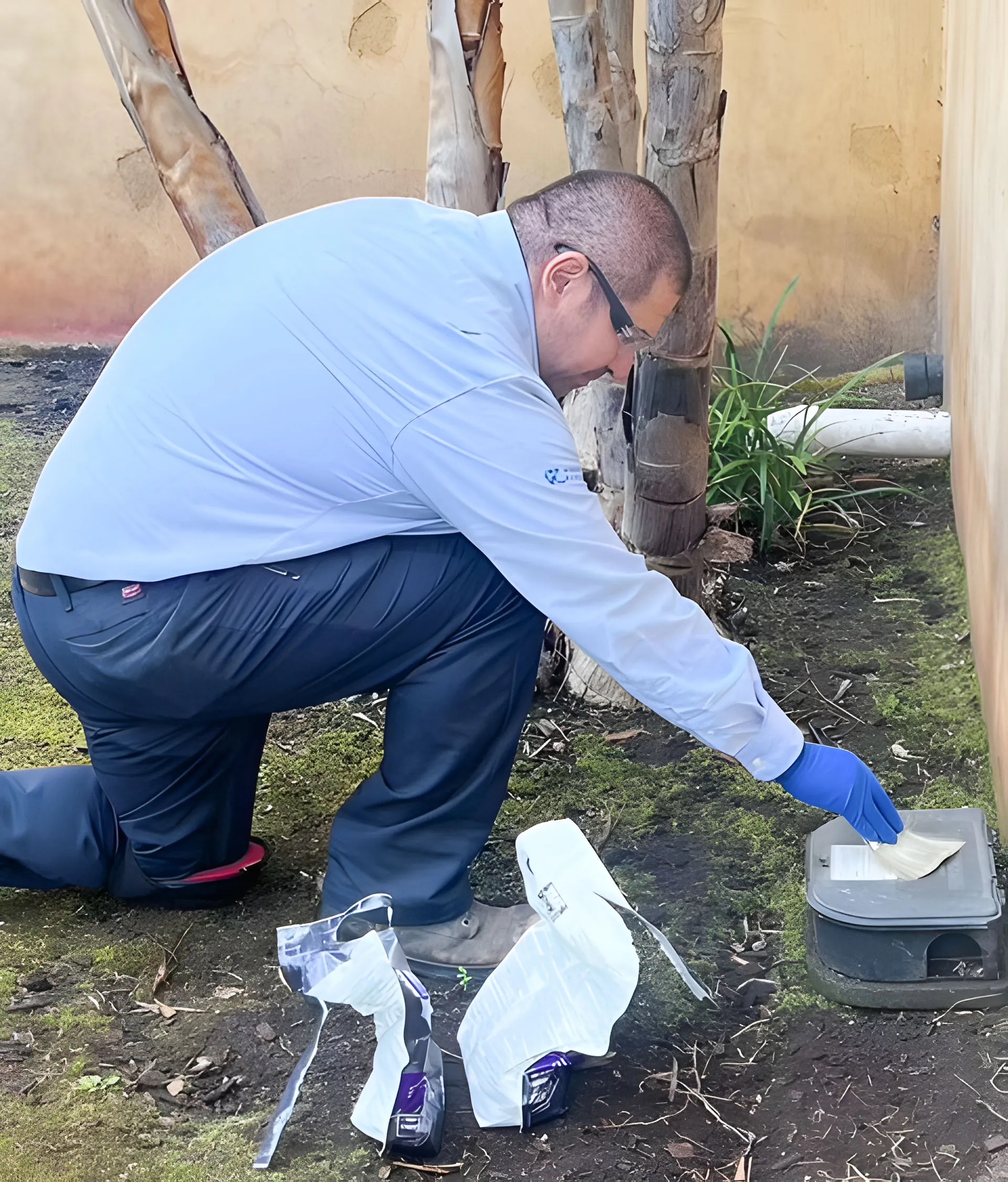
From preventing ants and rodents to identifying termite activity and preparing for fumigation, effective pest control involves both prevention and timely treatment. These insights from Diamond Certified Expert Contributors will help you recognize common pest problems, reduce conditions that attract them and understand when professional assistance may be needed.
Richard Estrada of ATCO Pest Control
When dealing with an ant infestation, most homeowners reach straight for an over-the-counter insecticide, but that’s usually the wrong move. Those products don’t kill ants so much as scatter them, which sends the problem elsewhere in your home. A wet, soapy washcloth does the same job without introducing chemicals. Before you wipe away the trail, take a minute to trace it back and get a sense of where the ants are entering, since that helps a pest control technician zero in on the source. Ants come for food and food residue, so one overlooked culprit is unrinsed containers in the recycling bin. Rinsing those out (or better yet, keeping the bin away from the kitchen) will go a long way toward keeping ants from finding your home appealing.
Brandy Straub of Redwood Empire Termite & Pest Control
Termites can rack up thousands of dollars in damage without warning and compromise your home’s structural integrity. Heavy rain raises the stakes, since water pooling under a house from poor drainage creates ideal conditions for subterranean termites, powderpost beetles, fungus and mold. The only reliable way to know if your home has these conditions is by getting a recurring inspection from a licensed termite professional. They can spot wood-destroying pests and fungi, along with related issues like leaks or foundation problems.
John Williams of Hi Tech Termite Control of the Bay Area, Inc.
If a pest control company finds termites in your home, it doesn’t automatically mean fumigation—if the infestation is contained, a localized treatment can do the job. That’s why hiring a company to perform a thorough inspection is so important. A less careful company might jump straight to fumigating the entire house after spotting termites in one place, while a more diligent company will take the time to assess the full picture and recommend the correct treatment.
David Osborn of Osborn Spray Service
A rat infestation ranks among the most unsettling pest problems a homeowner can face, but there are two simple preventive steps you can take. First, keep your roofline clear of vegetation. Tree branches and vines that touch your roof give rats an easy route into the attic, so trim anything within 18 inches. Second, seal exterior breaches like crawl space vents with damaged or missing covers, which let rats slip in and travel undetected toward the nearest opening.
Janet Thrasher of Thrasher Termite & Pest Control, Inc.
Pest control is essential for protecting public health and property. Changing weather patterns, global shipping, denser populations and increased travel have expanded the reach of pest-borne disease in ways North America once seemed immune to. Mice and rats top the list of concern, since they carry pathogens that contaminate food and living spaces. Cockroaches present similar risks, spreading disease through contact while also triggering asthma and allergies, particularly in young children. Mosquitoes have also grown more troublesome, with newer species like Aedes albopictus and Aedes aegypti proving difficult to eradicate and able to breed in minimal water. Ticks, though rarely indoors, can transmit serious illnesses like Lyme disease, which is hard to diagnose and can cause lasting symptoms. Staying alert to all of these threats, not just the most visible ones, is what modern pest control is about.
Jim Rossi of Presto Pest Control, Inc.
If you suspect a bed bug problem, resist the urge to handle it yourself before a pest control professional takes a look. Washing bedding, reaching for a store-bought pesticide or relocating to another room might feel like the natural first move, but DIY approaches rarely solve bed bug infestations. Moving to a different room can even backfire—bed bugs tend to fixate on a specific person and will often follow to a new sleeping spot, spreading the problem. Holding off on DIY fixes also keeps the environment untouched, giving your pest control technician a clearer picture of the infestation’s scope and the best way to handle it.
Sarah Pape of Armed Force Pest Control, Inc.
If you’re buying a home, understanding the different types of inspections can help you make a more informed decision. A wood-destroying organism (WDO) inspection looks specifically for termites, carpenter ants, wood-boring beetles and other pests that can damage structural wood, while a broader pest inspection checks for rodents, bats, insects and signs of infestation that may point to other property issues. A general home inspection evaluates the home’s overall structure and major systems, including the roof, walls, floors, windows, doors, electrical, plumbing and HVAC components. Together, these inspections can reveal hidden problems, potential repair needs and conditions that may affect the purchase.
Juan Gonzalez of Intergrated Pest Control Management Inc.
Rodents can damage property and create health concerns, so it’s important to address infestations quickly and take steps to prevent them from returning. A pest control professional can inspect your property for common entry points (cracks, gaps, unsealed utility openings) and recommend ways to seal them. Storing food properly, cleaning up spills and securing garbage can make your property less attractive to rodents, while eliminating debris, wood piles and other potential nesting areas can help prevent them from settling in.
Shawn DeLong of Great Wall Termite Control
Preparing your home for termite fumigation involves a few important steps that can help the process go smoothly. All consumable items (food, toothpaste, spices, medications) should be sealed in approved fumigation bags or removed, and pets and indoor plants must be taken out of the home. It’s also a good idea to remove valuables and check whether your security system needs to be turned off, since your windows may be partially opened for ventilation. Finally, coordinate gas service reconnection in advance so the utility company arrives after the fumigation tent has been removed and the home is ready for service.


