.webp?w=3840&q=75)
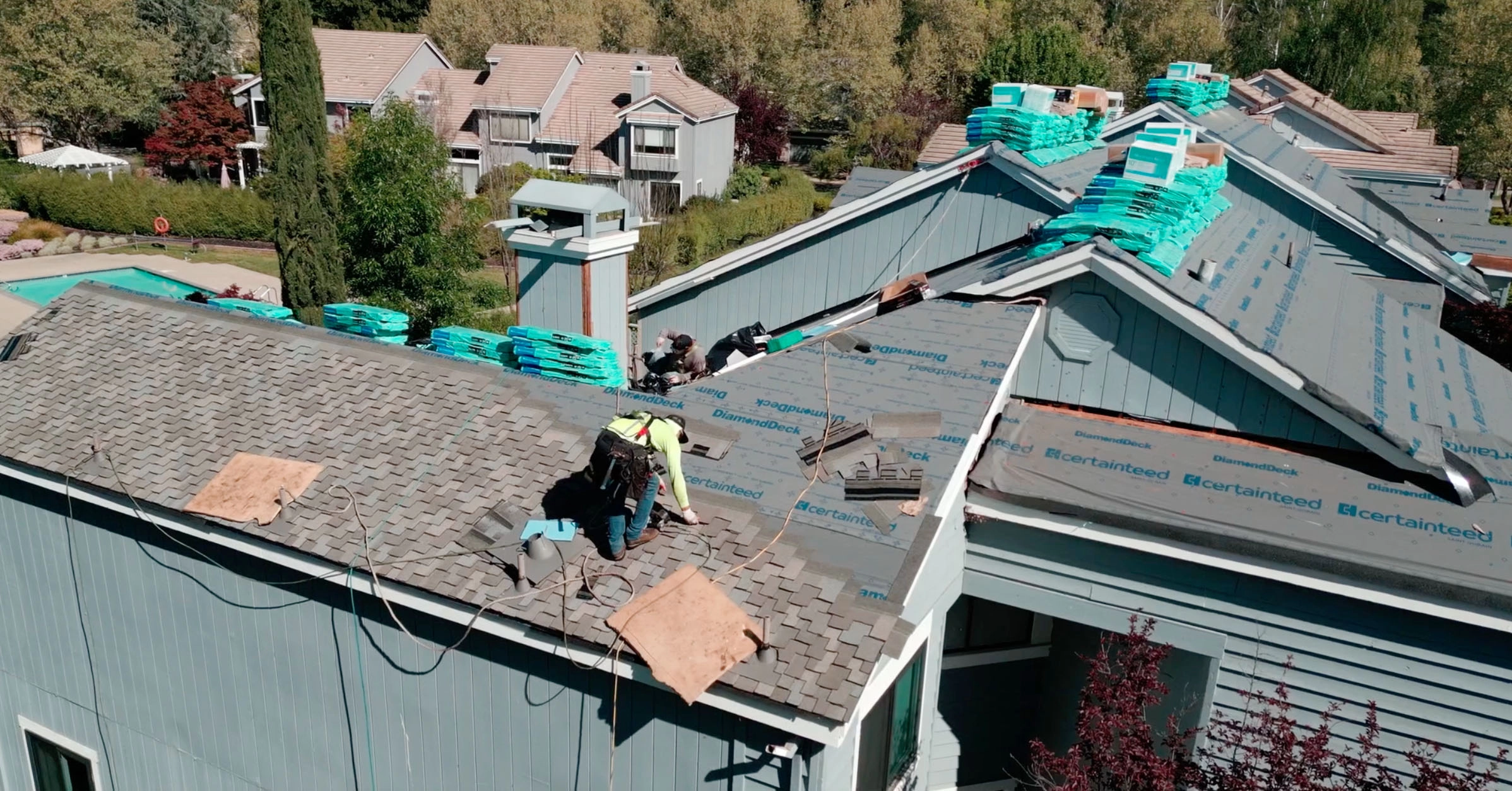
Your new roof may be rated to last up to 50 years, but without proper ventilation, its materials can deteriorate much sooner than expected. Excess heat and trapped moisture in the attic can accelerate aging, which causes shingles to crack, curl and wear out prematurely. That’s why proper ventilation should be considered an essential part of any roofing system, not an optional upgrade. Here’s some information about the two types of roof ventilation you need:
Intake ventilation
Intake ventilation allows fresh air to enter the attic space, typically through soffit vents located beneath the roof overhang. This airflow helps regulate attic temperatures and creates the circulation needed for a healthy roofing system.
Exhaust ventilation
Exhaust ventilation allows hot, moist air to escape from the attic. Without it, heat can get trapped beneath your roof, which increases stress on the materials and shortens their lifespan. Products like SmartVent systems and O’Hagin roof vents are designed to provide effective exhaust airflow.
A roof without proper airflow is only doing part of its job and may not deliver the lifespan you were promised. Investing in a complete ventilation system will help protect your home and ensure you get the full value from your investment.