
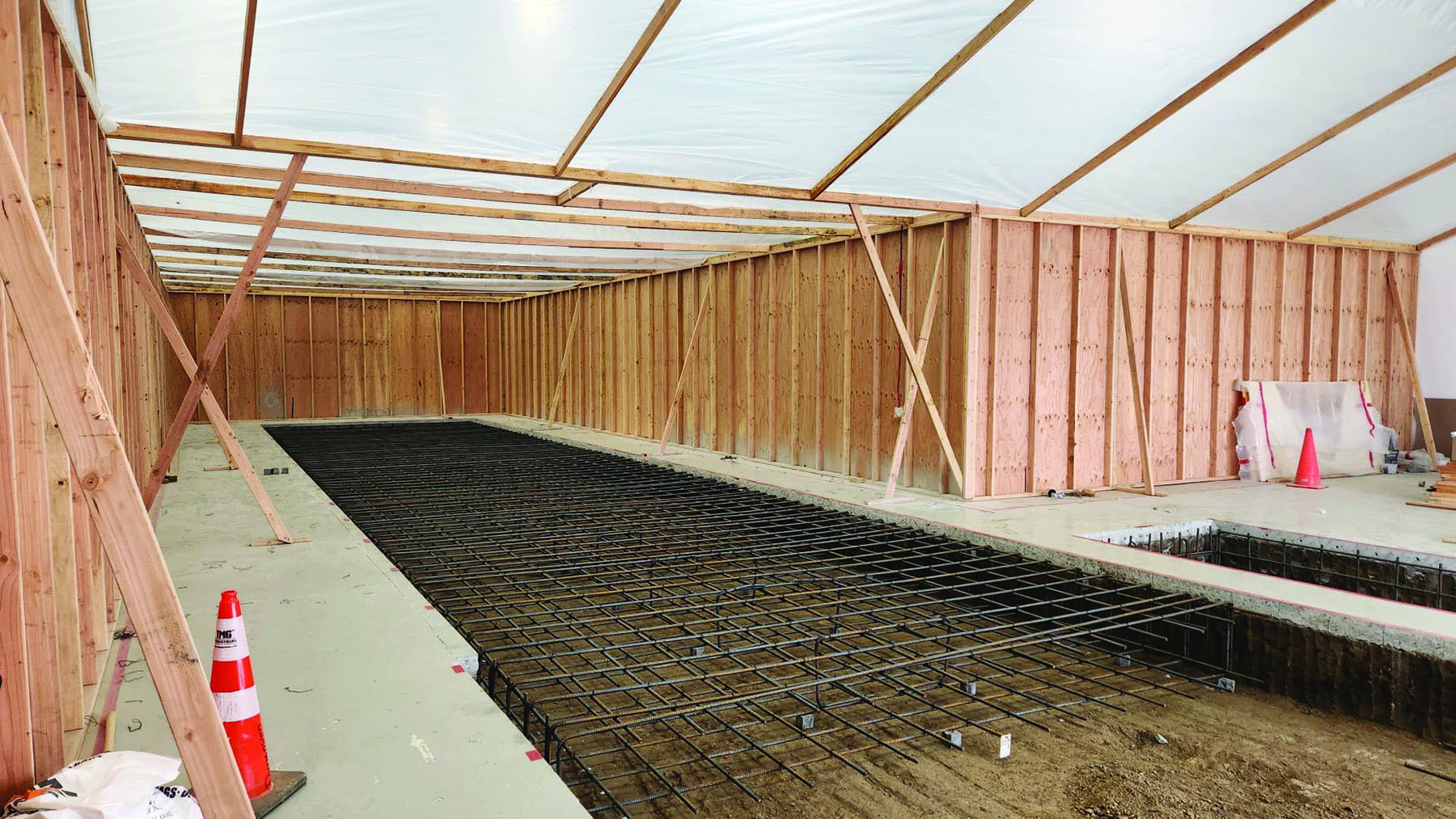
Many older homes (especially in areas like San Francisco, Alameda and Berkeley) were built with brick foundations, which can become unstable over time. While some issues can be repaired, others signal the need for a full replacement. Here are two key steps that will help you determine your next move:
1. Identify the type and condition of your foundation. If your home has a brick foundation, replacement is often the best long-term solution. Brick can be difficult to retrofit or reinforce compared to modern concrete. Replacing brick with a concrete foundation will allow for proper bolting, which secures the home more effectively and improves overall structural safety.
2. Evaluate cracks and structural movement. Not all cracks are cause for concern—in fact, small vertical cracks in concrete are relatively normal. However, if you see large, widening or diagonal cracks, it may indicate shifting or rotation in the foundation. If you also notice cracks forming inside your home (walls, ceilings, floors), that means the issue is affecting the structure and should be addressed immediately.
If repairs are possible, methods like underpinning can help stabilize the foundation by reinforcing it from below. A qualified foundation contractor can determine whether repair or replacement is the safest and most cost-effective option.