.webp?w=3840&q=75)
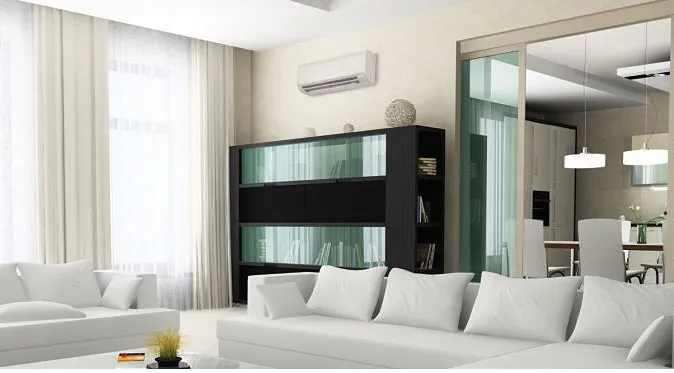
SAN JOSE — There’s a lot of talk about ductless mini-splits these days, and for good reason. While ductless systems have been around since 1959, they’ve only recently gained popular acceptance as an alternative to central heating and cooling.
Ductless mini-splits are powered by electricity and have both heating and cooling capabilities. A mini-split system consists of an outdoor condenser/compressor unit and individual units (usually wall-mounted) that are situated in each of the home’s rooms. Mini-splits don’t rely on air ducts to deliver conditioned air to the home; rather, the indoor and outdoor units are connected by copper tubing lines that circulate refrigerant between each unit’s coils.
Here are some of the benefits a ductless system offers:
Custom climate control
Whereas a centralized HVAC system heats/cools the entire house to a uniform temperature, ductless mini-splits offer a customized approach to climate control by allowing you to adjust the temperature in individual rooms. Likewise, you have the option to heat or cool some rooms and not others, which can save you money on your energy bills.
Improved energy efficiency
Since mini-splits don’t rely on ductwork (which is where the majority of heat loss or gain occurs in a ducted system), they can greatly reduce your home’s carbon footprint.
Easy installation
Ductless mini-splits are a particularly good option for homes that don’t already have central heating and cooling, as they’re much easier to install. This also makes them a good heating and cooling solution for home additions.
Low maintenance
If you use a ductless system, you’ll never have to clean your air ducts again.