.webp?w=3840&q=75)
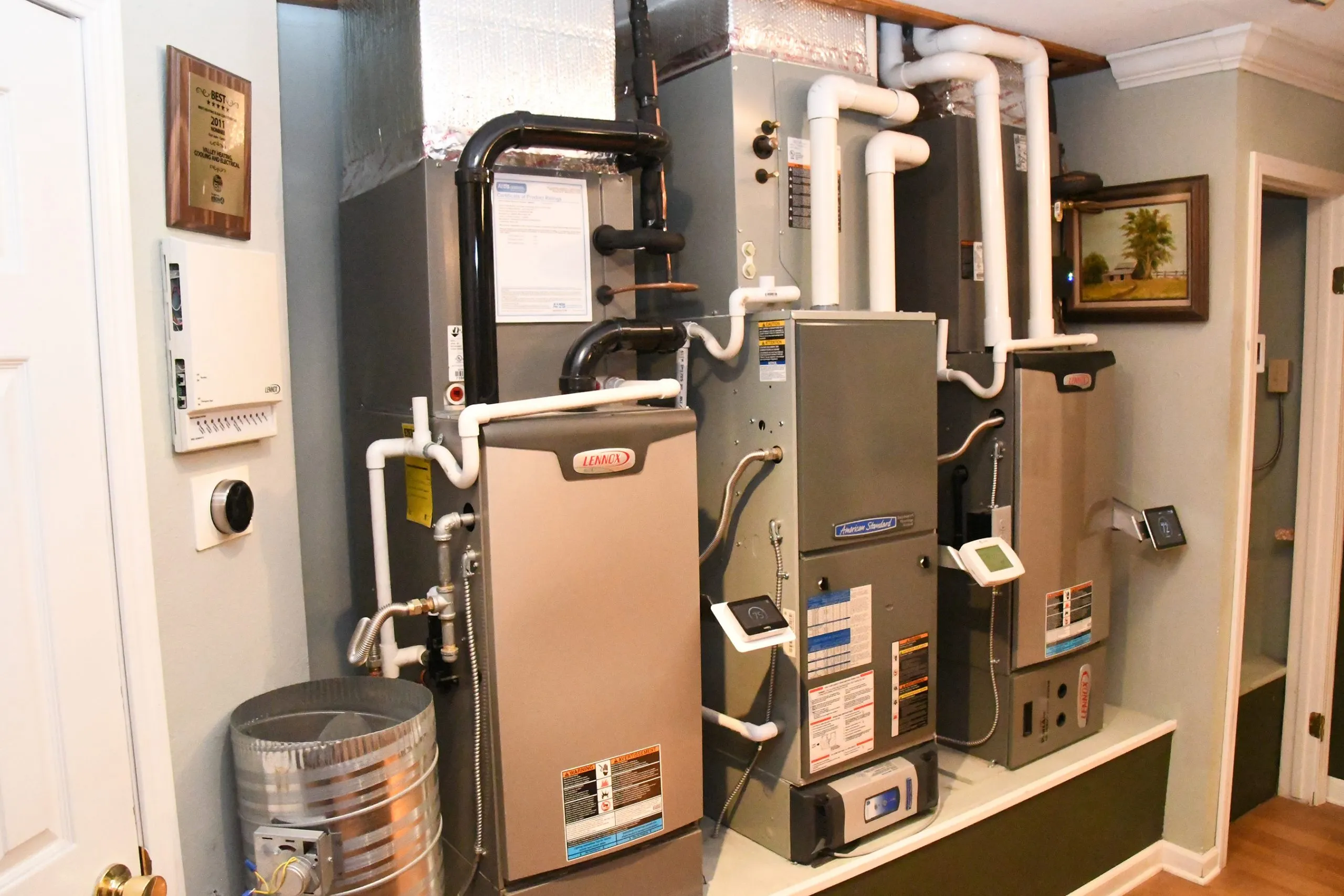
SAN JOSE — With all the energy efficiency requirements and incentives coming out in California, many homeowners are reconsidering their energy usage, especially as it pertains to things like heating. Some are even making the switch from traditional gas heating to electric or hybrid heating systems. If you’re considering one of these options, make sure you get the information you need to make a good decision. Here’s some basic info about three home heating options.
Gas heat
A gas-powered, forced air furnace is the traditional mode of heating a home. The main benefit a furnace offers is comfort, as the forced air gives you that warm, cozy feeling. The main drawback is it runs on natural gas, which produces carbon monoxide. Besides polluting the environment, this requires you to have your furnace maintained and inspected regularly for safety.
In terms of energy efficiency, today’s furnaces range from 80% to 99% efficiency. What does this mean? With an 80% efficient furnace, for example, 80% of the gas goes toward heating your home and the other 20% goes out your roof. At the end of the day, 100% of the cost comes out of your wallet, so it’s easy to see the advantage of a higher efficiency furnace.
Electric heat
Electric heating systems run on heat pumps. Unlike a forced air heater, a heat pump doesn’t generate heat; rather, it collects heat from outside and transfers it into the home (sort of like a reverse air conditioner). In order for an electric heating system to make sense financially, it typically needs to be combined with solar power. A solar-powered heat pump system will allow you to heat your home at little to no cost. It’s also a cleaner way to heat your home, as it doesn’t introduce any natural gas into the atmosphere.
While electric heating may be affordable and clean, it does have a couple of drawbacks in the way of comfort. A heat pump will certainly heat your home, but it won’t give you that toasty feeling you get from a forced air furnace. Additionally, a heat pump needs to intermittently kick into defrost mode to remove frost from the outside coil, which requires the air conditioner to turn on for about 10 minutes. This usually happens in the morning, when the system first turns on for the day.
Hybrid heat
Also known as a dual fuel system, a hybrid heating system offers the best of both worlds by utilizing either gas or electric heat depending on the outdoor temperature. You can set your gas furnace to turn on if the temperature goes below a certain threshold, which will give you that warm, cozy feeling. On warmer days, the system will utilize the heat pump to minimize energy consumption and air pollution. Thanks to this dual functionality, you won’t have to sacrifice comfort for energy efficiency or vice versa.