Understanding common electrical issues and knowing how to address them can save you time and money.
Dealing with electrical problems in your home can be a daunting task. However, understanding the common issues and knowing how to address them can save you time and money. Here are some of the most frequent electrical problems and their solutions:
Frequent Electrical Surges
Electrical surges can be caused by lightning strikes, damage to power lines, faulty appliances or bad electrical wiring in the house. While an occasional surge is normal, frequent surges can damage electronics and decrease their life expectancy.
Solution: Disconnect and check any power boards or devices that could be causing the problem. If surges continue without
an apparent cause, it might be time to consult a professional electrician to check your wiring.
Tripped Circuit Breakers
Circuit breakers protect your home by stopping the flow of electricity if the system is overloaded. Common causes for
a trip include high-power devices such as microwaves and hairdryers.
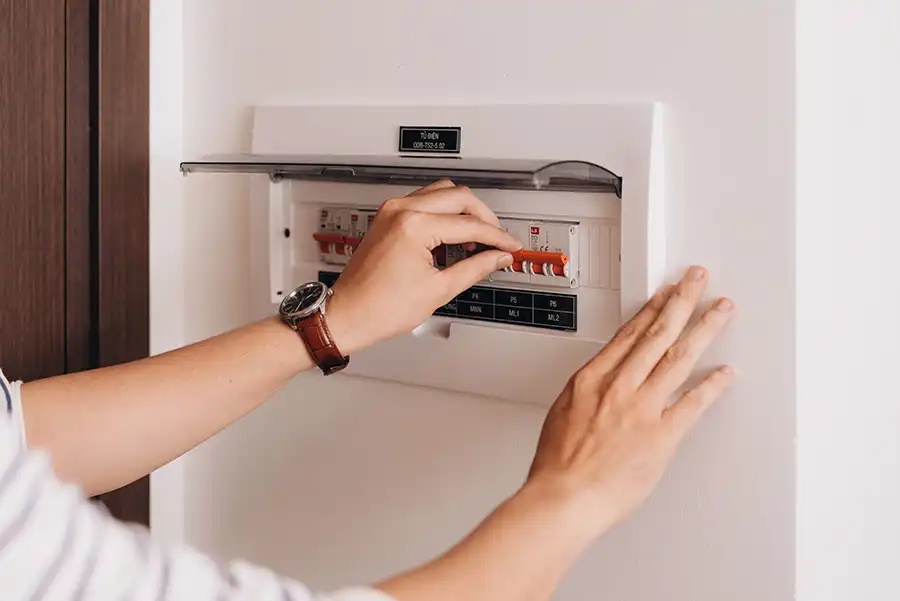
Solution: Reset the circuit breaker from your electrical panel. To prevent future occurrences, limit the electrical usage on a single circuit particularly when using high-wattage devices.
Overloaded Power Outlets
Plugging too many devices into a power outlet can overload it, which is a common fire hazard.
Solution: Use a power strip with a built-in circuit breaker, and never daisy-chain power strips together. Spread your appliances across different circuits, especially higher-wattage appliances.
Flickering or Dimming Lights
This issue could be caused by poor connection and can often be localized to one fixture or area of the house.
Solution: Tighten loose bulbs. If the problem persists, it may be due to faulty wiring or an overloaded circuit. In such
cases, consult an electrician.
Light Switches Not Working Properly
If the light switches in your home are not functioning correctly, it could be due to substandard products, wiring issues or circuit problems.
Solution: Check if the switch wiring is loose. For dimmer switches, make sure the product is compatible with the lighting. If no simple fixes work, replacing the switch or consulting a professional may be necessary.
High Electric Bill
High electric bills can be caused by leaks in the hot water system, devices that consume a lot of power, or damaged
wiring or circuits.
Solution: Identify devices that could be causing power surges. Unplug appliances when not in use, fix leaky hot water systems and consider consulting an electrician to check for any wiring issues.
Use Diamond Certified Resource to find top rated companies.
Local, Top Rated Diamond Certified Companies Related to
Your Topic
Marin County Electrical Contractors
San Francisco Electrical Contractors
Contra Costa County Electrical Contractors
Santa Clara County Electrical Contractors
Napa County Electrical Contractors
Related Articles
The Homeowner's Guide to Electrical Services
Get Expert Advice From Owners of Top Rated Local Companies
Become a Diamond Certified Preferred Member (Always Free) Find Top Rated Companies in the San Francisco Bay Area