
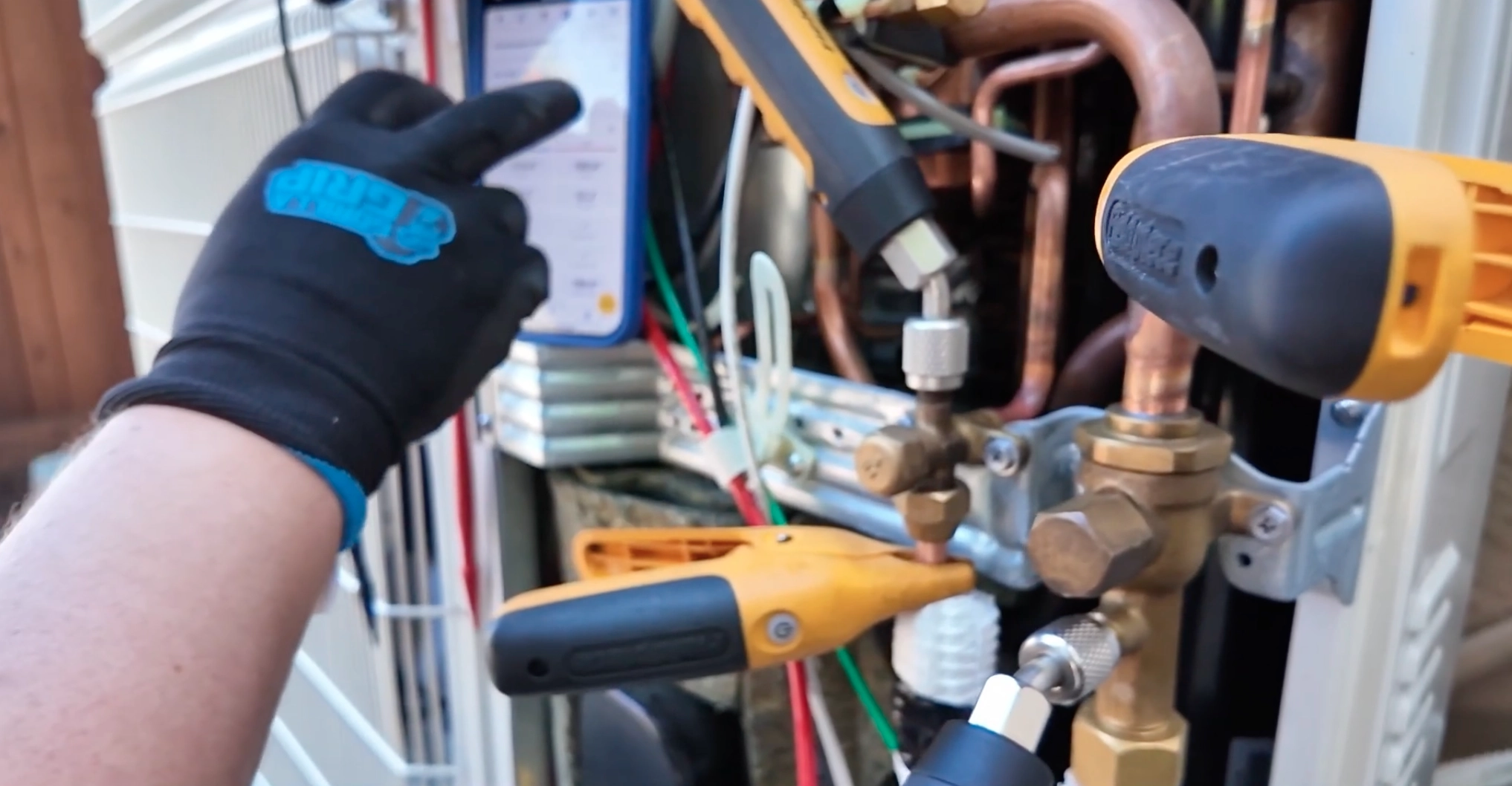
When your heating or cooling system stops working, it doesn’t always mean you’re facing a major repair. Before calling an HVAC technician, start with a few simple tests:
Check your thermostat. Make sure it’s set to the correct mode and confirm that the temperature setting makes sense for what you want the system to do. Also, check for dead batteries and settings that may have been changed accidentally.
Check the circuit breaker. Most HVAC systems have a dedicated breaker in the electrical panel, so a tripped breaker can shut down the entire system. If your breaker trips, reset it once, but if it trips again, don’t keep resetting it—there may be an electrical problem that’s best handled by a professional.
Inspect the air filter. A clogged filter can restrict airflow, make the system work harder and even cause it to shut down. As a general rule, you should change your HVAC filter every one to three months, depending on usage, household conditions and the type of filter.
Check the outdoor unit. Your system needs proper airflow to operate efficiently, so it’s important to keep the area around the unit clear of leaves, dirt, plants and other debris. Another common issue is a clogged condensate drain line. If water builds up and the system detects a potential overflow, it may shut down automatically to help prevent damage.
If you’ve checked these things and your HVAC system still isn’t working properly, it’s time to call a professional. You should also contact a technician if you notice warning signs like strange noises, burning smells, ice forming on the unit, weak airflow or the system repeatedly turning on and off.