
If you have a termite infestation in your house, you might assume that your treatment options are set in stone, but the right approach actually depends on the type of termite. Here’s some information about the two most common types of termites and the methods used to eradicate them:
Subterranean termites
If an inspection identifies subterranean termites in your home, it’s important to address the source of the infestation: the soil. Since most subterranean termites live underground, treating only the areas where termite activity is visible won’t solve the entire problem.
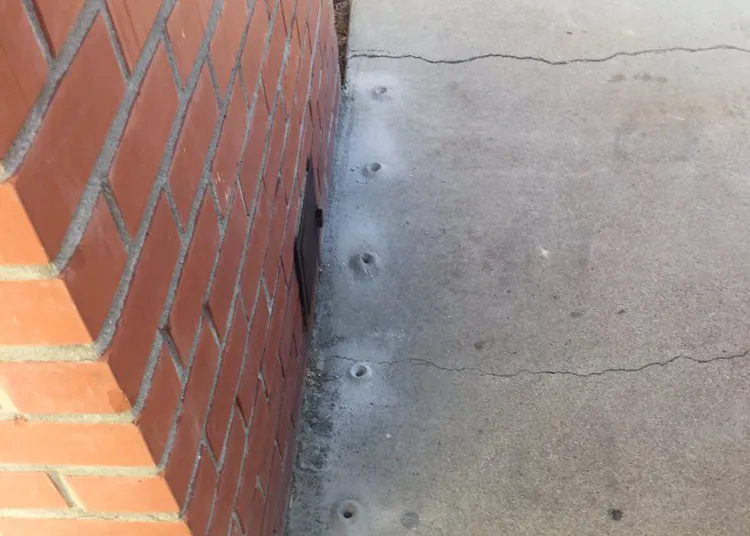
Treatment typically involves applying a termiticide to the soil around the exterior perimeter of the home (if you have a crawl space, the soil beneath your house may need to be treated as well). This creates a treated zone that termites encounter as they move between the soil and the home. Depending on the product being used, they may carry the material back underground and spread it to other members of the colony.
Drywood termites
Drywood termites require a different strategy because they establish colonies directly inside wood rather than in the soil. Whole-structure fumigation is one treatment option, but it isn’t always practical. For example, fumigation may be difficult for apartments, condos or other properties with shared walls. In these situations, localized treatment may be a better alternative. A technician will locate the affected wood, drill a series of small holes and inject treatment material directly into the termite galleries.
Unlike fumigation, this process doesn’t require you to leave home. Treatment typically takes one to two hours, although the exact time depends on how many affected locations are identified during the inspection.