.webp?w=3840&q=75)
When homeowners hear “pressure washing,” they often picture a powerful stream of water blasting dirt and grime away. However, higher pressure doesn’t necessarily mean a better clean. In fact, using too much pressure can permanently damage many of the surfaces around your home. A safer approach is soft washing, which uses lower water pressure and cleaning solutions to remove buildup while protecting the material underneath.
Roofs and siding
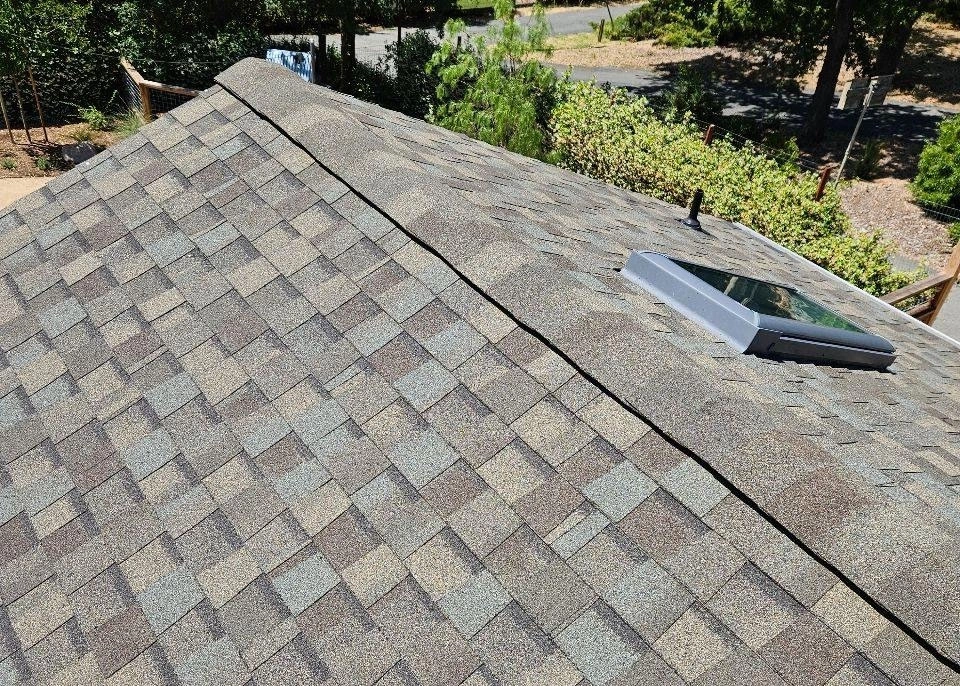
High pressure can damage asphalt shingles and clay roof tiles, as well as the seals and finishes on exterior siding. Soft washing provides a gentler way to clean these surfaces without unnecessarily wearing them down.
Concrete and hardscaping
Pavers, limestone, flagstone, patios and pool areas can also be damaged by excessive pressure. Improper pressure washing may cause flaking, etching or permanent cleaning marks. If your hardscaping has already deteriorated, cleaning may be followed by additional restoration. Depending on the material, this could include resanding pavers, regrouting stonework or applying a sealer to help protect the finished surface.