
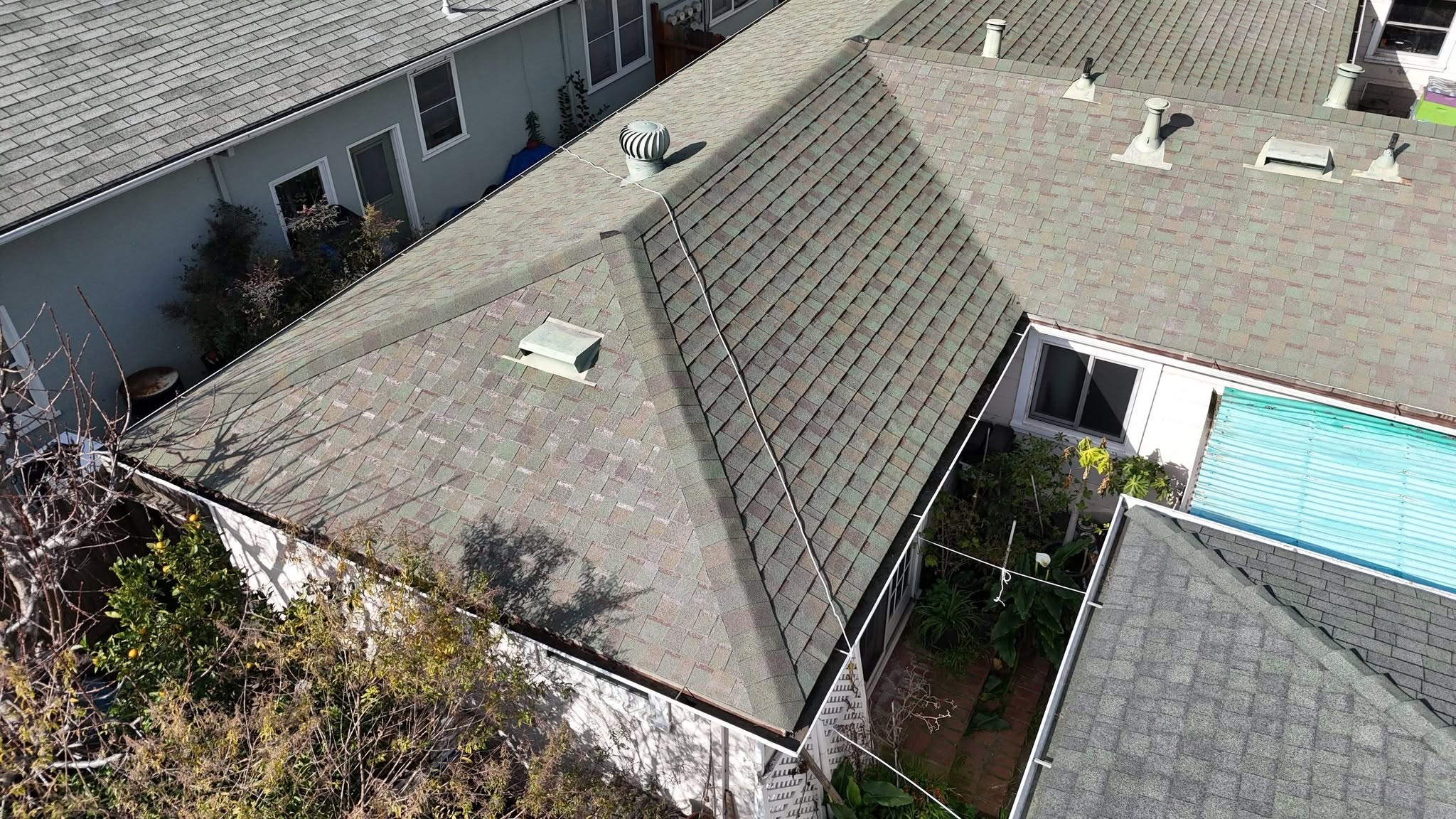
Q: What makes someone a quality roofing customer?
A: I think the key is someone who’s willing to take the time to understand what their property actually needs. We have tools that can provide an online quote or a ballpark estimate, but once we visit the property and perform a complete assessment, there are many other factors to consider. We want to understand the homeowner’s goals, what’s happening with the property and what the roof actually needs so we can make the right recommendation. An ideal customer values that information and wants to make the best possible decision for the property rather than simply choosing whatever a contractor proposes.
Q: What advice would you give homeowners who have very different levels of experience working with contractors?
A: Whether someone is very knowledgeable or has almost no experience with roofing, we use the same education process. Sometimes being very handy can actually work against a homeowner because they may know enough to have strong opinions, but they don’t have the experience that comes from installing roofs every day. We’ve dealt with many different roofing situations, so part of our job is helping customers understand what’s relevant to their particular project.
We base our education process around what we call the five P’s: problems, products, processes, people and price. What problems does the property have now and what future problems can we help prevent? What products will solve those problems? What processes should be followed? Who are the right people to do the work? And finally, what’s the appropriate price?
Q: How important is communication when it comes to preventing problems during a roofing project?
A: Communication is extremely important. We’ve found that when we get away from our process, that’s often when dissatisfaction occurs. Usually, it comes down to a misunderstanding, an unrealized expectation or an unknown additional cost.
It’s easy for two people to hear the same thing and interpret it differently. That’s why we want to sit down with customers and discuss the project rather than simply hand them an estimate.
Sometimes prospective customers tell us, “Just give us the estimate and we’ll go from there.” We can do that, but we believe we would be doing them a disservice if we didn’t have a conversation about expectations, potential misunderstandings and possible additional costs. If we don’t have the opportunity to discuss those things, it becomes much easier for both parties to become misaligned.
Q: What should homeowners expect when it comes to communication methods and frequency?
A: We’ve actually been accused of over-communicating, and I think that’s better than under-communicating. From the first call through the end of the project, we communicate in several different ways. We ask customers what they prefer because everyone is different. Some people are very busy and prefer text messages, while others prefer email or phone calls.
We try to adapt to the customer’s preferred method. We also have a customer portal where clients can see photos, proposals, agreements and invoices. We can even send notifications that allow homeowners to see when our crews are on the way to their property.
Q: Mr. Roofing has been in business for decades. How do you make sure the company continues to evolve rather than simply relying on its history?
A: We’re constantly evolving. Roofing is a fairly stable industry, so there isn’t necessarily a huge technological breakthrough every year, but we still keep up with the latest developments. At the same time, we’re careful about adopting new products or methods. We don’t want to practice on somebody’s property or offer something that hasn’t been proven. Ultimately, even if we didn’t manufacture a product, we’re the ones who installed it and have to stand behind the work. We want to know that what we’re using is tried and true.
Q: How does Mr. Roofing invest in training and technology?
A: We have our own proprietary CRM, and we’re building an AI knowledge layer for both our customers and our teammates. One of the goals is to use it to train new employees as they come on board. We also send production team members through apprenticeship programs. We’re constantly training because we want to be able to consistently deliver on our promise to customers.
In the Bay Area, you need expertise in many different types of roofing systems. That’s why we participate in local and national roofing organizations. It helps us stay current and provide customers with a comprehensive range of solutions.
Q: How important are customer feedback and third-party validation to your company?
A: They’re extremely important. In a service business, we depend heavily on third-party validation of the customer experience. I actually like the transparency that exists today because companies can’t hide as easily. Information about your performance is out there for people to see.
We’re very organic in the way we approach reviews. We don’t pay people for reviews or try to manufacture hundreds of them. We want the feedback people see about us to be genuine rather than contrived. Any company can say it has the best products and services, but those claims don’t mean much unless you can show something that validates them.
Q: Why did Mr. Roofing decide to become Diamond Certified?
A: We were previously involved with ValueStar, and when Diamond Certified came along, I actually waited a few years before joining. I wanted to watch the program and make sure it was something we believed in. Once I saw how it worked, we went through the process. One of the biggest reasons was that we wanted legitimate third-party validation based on real customer feedback. That’s valuable because instead of simply asking people to take our word for it, we can say, “Look at what our customers say about us.”
Q: How does Mr. Roofing use Diamond Certified?
A: One important aspect is the cooperative marketing. It gives us broader exposure and provides good value for our marketing dollars. We also talk about Diamond Certified when we meet with customers. We use the brochures, decals and other materials so people can see that we’ve earned the certification.
Another important factor is the type of customer Diamond Certified attracts. Those customers tend to appreciate the same type of experience and proven process that we emphasize. We also use our Diamond Certified customer satisfaction results as independent validation of what we tell prospective customers about our service.
Q: What value does the Diamond Certified rating process provide beyond marketing?
A: The process itself gives us real feedback about our service. We receive independent information about what our customers think, and then we can use that information both externally and internally. If we receive a score in an area that isn’t where we want it to be, we can look at what happened and provide additional training. As an owner, I find that very valuable.
Q: What would you say to roofing companies that are considering becoming Diamond Certified?
A: We wouldn’t continue going through the Diamond Certified process if we weren’t seeing value from it. There are other marketing sources that can make the phone ring, but that doesn’t necessarily mean those leads are a good fit for our company. Diamond Certified tends to connect us with people who value the type of process and quality we provide. That combination of measurable business results, third-party validation and useful customer feedback is why we continue to be Diamond Certified.
Mr. Roofing, Inc.
|
Mr. Roofing, Inc.
Choose
phone #
Diamond Certified Company Report Menu
Majestic sunset over serene mountain lake
How to Get a Quality Roof Job: A Conversation With Carlos Rodriguez
Carlos Rodriguez, owner of Mr. Roofing, Inc., explains how homeowner education, clear communication and proven processes help ensure a quality roofing project.
Mr. Roofing, Inc. is presented in these Diamond Certified Resource Category Reports
san francisco County, CA
san mateo County, CA
Schedule Now or Call with Questions