
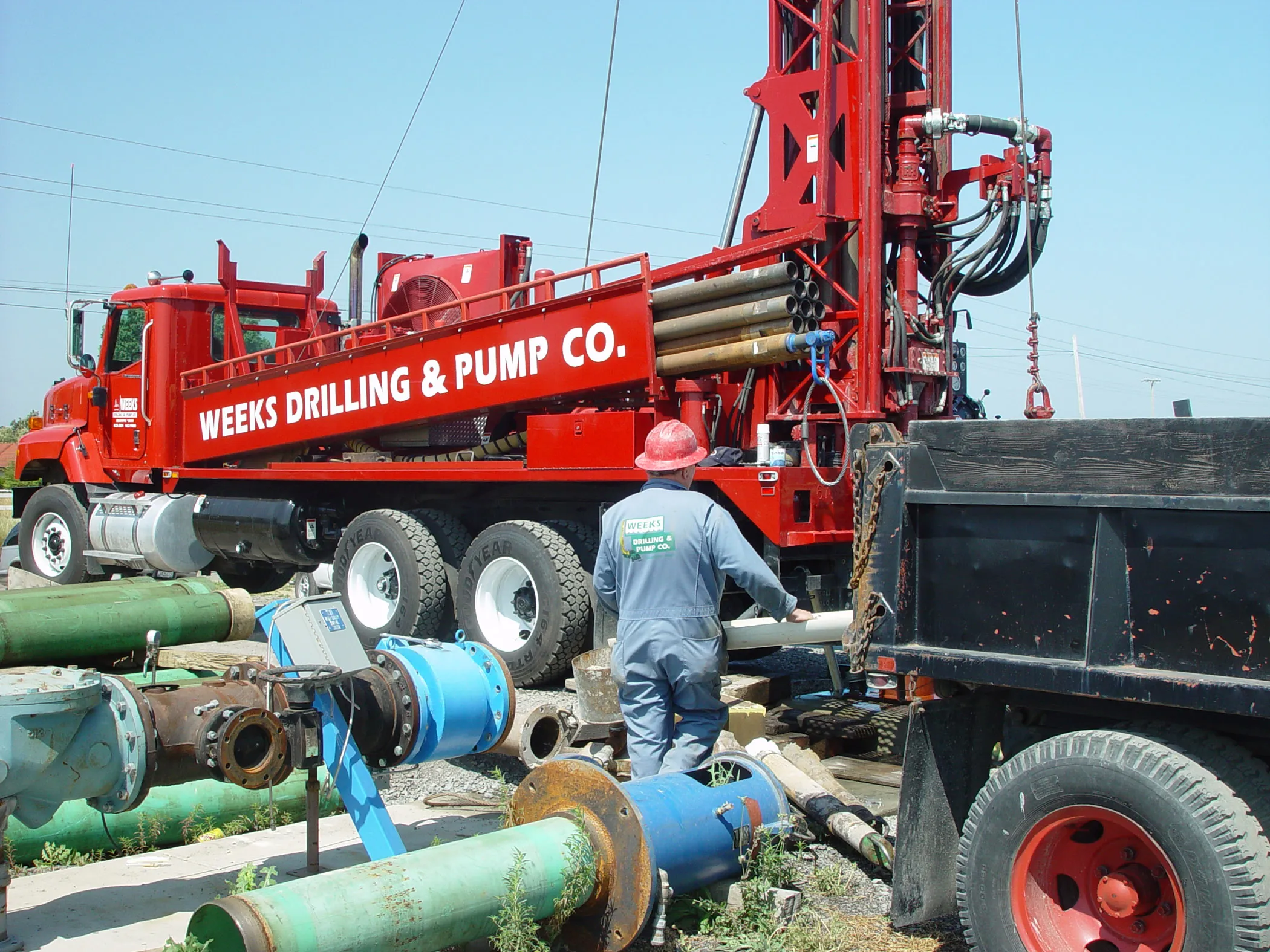
When it comes to drilling a well, proper placement is key. There are several factors that go into determining well placement, including the following:
Setbacks
A setback is the municipally mandated distance between a structure or installation (such as a building or well) and existing infrastructural features like roads, utility equipment, and property lines. When it comes to wells, most counties require a 100-foot setback from septic systems and a 5- or 10-foot setback from property lines. When choosing your well site, you’ll need to work with the county or city to ensure your installation complies with all required setbacks.
Access
Since well drilling requires large equipment, the proposed site must provide adequate clearance and accessibility for bringing in that equipment. At minimum, the site should provide a clearance area of 60 feet long by 40 feet wide.
Geology
Soil conditions can also play a factor in the feasibility of a well drilling project. In some cases, it may be worthwhile to hire a geologist to assess the soil composition and depth and give recommendations.
Water supply and quality
Even if a site offers ideal conditions for well drilling, if the water is of poor quality, it defeats the purpose. Furthermore, you need to consider water quantity—if there’s not an adequate supply of water for the application you’re pursuing, drilling a well will be a waste of money.