.webp?w=3840&q=75)
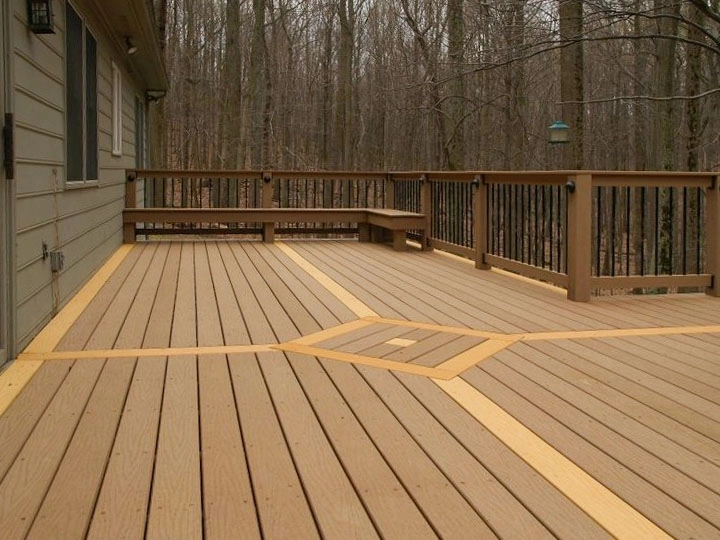
When it comes to building a deck, selecting the right material is one of the most important decisions you’ll make. The two most popular choices are composite decking and wood decking, each of which has its own benefits and drawbacks. Here are the four main factors to consider when deciding which material to use for your project:
1. Maintenance
If low maintenance is your top priority, composite decking has the edge. Made from a blend of recycled wood fibers and plastic, it’s engineered to resist warping, splintering and rotting. Wood decking requires more regular care (annual staining and sealing) to maintain its integrity and appearance, but it’s often easier to repair if damage does occur.
2. Aesthetics
For those drawn to the natural beauty of wood, nothing beats the warmth and authenticity of real lumber. Wood decking can be painted or stained in virtually any color and refinished as tastes or trends change. Composite decking has come a long way in mimicking the look of wood, with many options that feature convincing grain patterns and natural hues, but some homeowners still find that it’s not quite the same.
3. Climate conditions
Your local climate plays a big role in how well your deck performs over time. In sunny areas, composite decking can become quite hot to the touch, which may be uncomfortable for bare feet. On the other hand, wood can splinter, crack, or rot in wet or humid climates unless it’s properly treated and maintained.
4. Budget
Wood decking is generally less expensive per square foot, making it appealing for homeowners with tighter budgets. However, you should factor in the long-term costs of maintenance, including sealants, stains and labor. Composite decking has a higher initial price tag but lower ongoing maintenance costs, which could save you money over the lifespan of your deck.
Elegant Modern Kitchen Renovation with Sleek Finishes
Composite Decks vs. Wood Decks
By Valerie Shvedok
Head of Design at Ivy League Construction LLC
Diamond Certified Expert Contributor