.webp?w=3840&q=75)
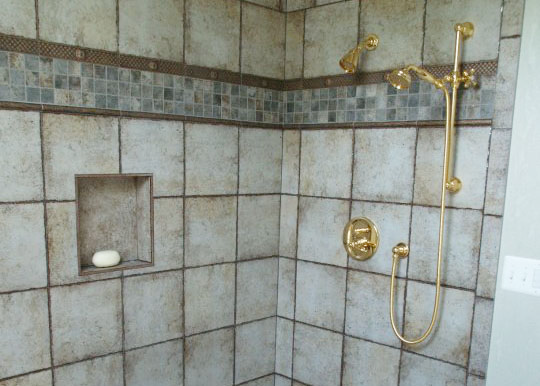
When it comes to tile projects, especially in wet areas like bathrooms, what’s underneath the tile matters just as much as the tile itself. Even high-end tile can fail if the installation isn’t properly protected and bonded. Here are two ways to ensure your tile installation stands the test of time:
1. Prioritize waterproofing. Waterproofing is the foundation of any tile job in a moisture-prone area. Without it, water can seep behind the tile and cause mold, rot or structural damage. There are two main types of waterproofing: liquid membranes and sheet membranes. Liquid membranes roll on like paint and dry into a seamless, flexible barrier—they’re great for corners, niches and custom shapes. Sheet membranes come in rolls and offer consistent thickness and coverage, making them ideal for flat surfaces like shower walls and floors.
2. Use the right setting and grout materials. Thinset mortar is typically the best option for bonding tile in wet or high-traffic areas—it’s moisture-resistant and it ensures a solid grip when applied to both the surface and the back of the tile. For grout, the choice depends on the joint size, the tile type and how much water or foot traffic the area will see. Sanded grout works well for wider joints, while unsanded is better for narrow ones. Epoxy grout is more expensive, but it’s highly durable and water-resistant, so it’s ideal for areas like showers.