.webp?w=3840&q=75)
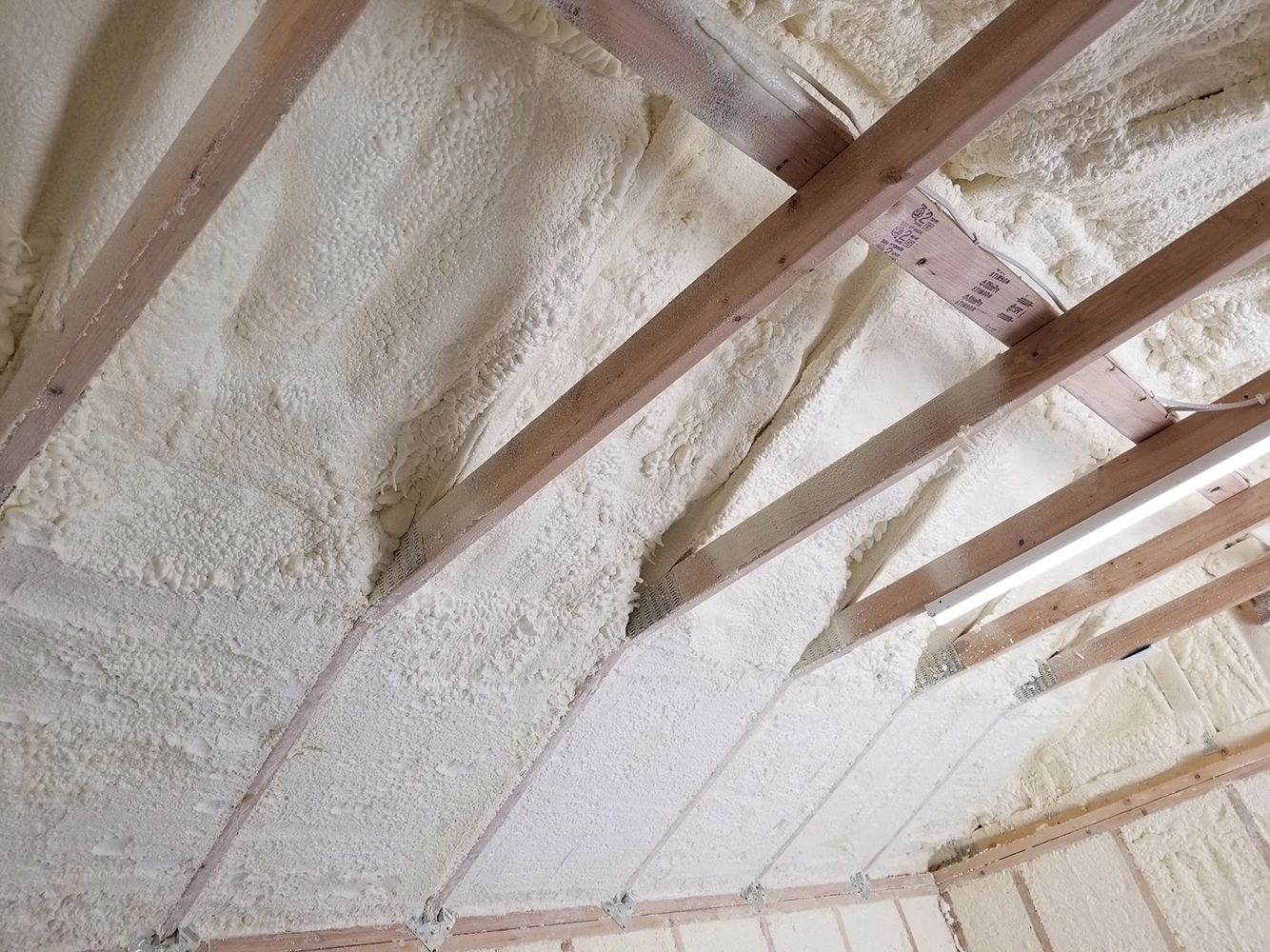
Keeping your home comfortable while minimizing energy costs starts with reducing thermal loss (the rate at which heat escapes through your attic, walls, windows and floors). Here are four ways to make your living space more efficient and significantly lower your utility bills:
1. Start by insulating your attic. Heat naturally rises, so an uninsulated attic allows warm air to escape quickly in the winter and invites heat in during the summer. Adding blown-in cellulose insulation rated between R-38 and R-49 (about 10 to 13 inches deep) can cut your energy usage by as much as half and make your home feel more comfortable.
2. Move on to your walls and windows. Both have a similar effect on thermal performance, but insulating walls typically provides a faster payback since it’s less expensive than replacing windows. If your walls are hollow or under-insulated, blown-in or spray foam insulation can fill gaps and prevent drafts. For windows, double- or triple-pane options with low-E coatings help retain indoor heat and reflect outdoor heat.
3. Check your HVAC system and ductwork. Even with good insulation, your HVAC system can undermine efficiency if it’s outdated or leaky. Inspect your ductwork to ensure the joints are properly sealed and insulated, as leaky ducts can lose up to 30% of heated or cooled air. Upgrading to a high-efficiency furnace or heat pump can also improve energy performance, especially if your current system is more than 15 years old.
4. Don’t overlook floor insulation. While floors typically account for less than 10% of a home’s heat loss, insulating crawl spaces or basements can still enhance comfort, particularly if you have hardwood or tile floors. Adding rigid foam or batt insulation under the flooring can help retain warmth and prevent drafts from entering through gaps or unsealed edges.