<p></p> <img src="https://dcr-apis.s3.us-east-2.amazonaws.com/wp_contents/uploads/DCR-ADMIN/Article_Webp/HOA.webp" alt="undefined" style="height: auto;width: auto"/> <p></p> <p>Creating a homeowners’ association (HOA) can significantly enhance the management and maintenance of a residential community, ensuring it remains a desirable place to live. Here’s how to navigate the process of setting up an HOA from scratch:</p> <p><strong>1. Assess community interest and needs.</strong> Before trying to establish an HOA, it’s crucial to gauge the interest level among your neighbors. An HOA will be more successful if it’s supported by a majority of the community.</p> <ul> <li>Organize meetings with residents to discuss the benefits and responsibilities of forming an HOA.</li> <li>Consider conducting a survey to determine the specific needs and concerns of homeowners that the HOA could address.</li> </ul> <p><strong>2. Consult with legal professionals. </strong>Setting up an HOA involves various legal considerations, including drafting governing documents and understanding state laws.</p> <ul> <li>A lawyer specializing in real estate or community association law can help ensure all legal requirements are met.</li> <li>HOAs are subject to state regulations, which can vary widely. Your attorney can help you navigate these laws to ensure compliance.</li> </ul> <p><strong>3. Develop governing documents. </strong>The foundation of any HOA is its governing documents, which include the declaration of Covenants, Conditions and Restrictions (CC&Rs); bylaws; and articles of incorporation.</p> <ul> <li>Outline the rights and responsibilities of the homeowners and the HOA, including architectural standards and maintenance duties.</li> <li>Establish the structure of the association, including voting rights, board member elections and meeting protocols.</li> <li>Register the HOA as a legal entity, which can provide liability protection and tax advantages.</li> </ul> <p><strong>4. Plan for financial management. </strong>An effective HOA needs a solid financial plan to handle its operations, maintenance tasks and reserve funds for future repairs.</p> <ul> <li>Set up a bank account to handle dues collected from homeowners and pay for communal expenses.</li> <li>Develop an annual budget that covers all foreseeable expenses, such as landscaping, community repairs and insurance.</li> </ul> <p><strong>5. Elect a board of directors. </strong>The board will make most of the day-to-day decisions for the HOA, so it’s important to elect individuals who are committed and capable.</p> <ul> <li>Establish election procedures to ensure transparency and fairness.</li> <li>Choose initial board members. Ideally, these should be homeowners who are not only interested but also have the time and skills necessary to serve effectively.</li> </ul> <p><strong>6. Organize the first HOA meeting.</strong> With the board in place and the HOA legally established, organizing the first official HOA meeting is a critical next step.</p> <ul> <li>Set the agenda. Include key topics such as the adoption of the budget, upcoming projects and any immediate concerns.</li> <li>Make sure all homeowners are aware of the meeting details and encourage them to participate.</li> </ul> <p><strong>7. Implement rules and regulations. </strong>Once your HOA is operational, begin enforcing the rules and regulations outlined in your CC&Rs.</p> <ul> <li>Apply rules uniformly and fairly to maintain trust and compliance among homeowners.</li> <li>Be open to feedback and willing to adjust policies if they prove impractical or unpopular. </li> </ul> <p><a href="https://www.diamondcertified.org/" target="_self">Use Diamond Certified Resource to find top rated companies</a></p> <p><strong>Local, Top Rated Diamond Certified Companies Related to Your Topic</strong><br><a href="https://www.diamondcertified.org/santa-clara-contractor-community-home-builders/" target="_self">Santa Clara County Community Home Builders</a><br><a href="https://www.diamondcertified.org/san-mateo-contractors-remodel-additions/" target="_self">San Mateo County Home Builders</a><br><a href="https://www.diamondcertified.org/sonoma-contractors-remodel-additions/" target="_self">Sonoma County Home Builders</a><br><a href="https://www.diamondcertified.org/alameda-contractors-remodel-additions/" target="_self">Alameda County Home Builders</a><br><a href="https://www.diamondcertified.org/san-francisco-contractors-remodel-additions/" target="_self">San Francisco Home Builders</a></p> <p><strong>Related Articles</strong><br><a href="https://www.diamondcertified.org/Guide/home-building-for-communities/" target="_self">The Essential Guide to Community Home Building</a><br><a href="https://www.diamondcertified.org/find-expert-advice/" target="_self">Get Expert Advice From Owners of Top Rated Local Companies</a><br><a href="https://www.diamondcertified.org/membership/" target="_self">Become a Diamond Certified Preferred Member (Always Free)</a> </p>
How to Set Up an HOA
May 15, 2024

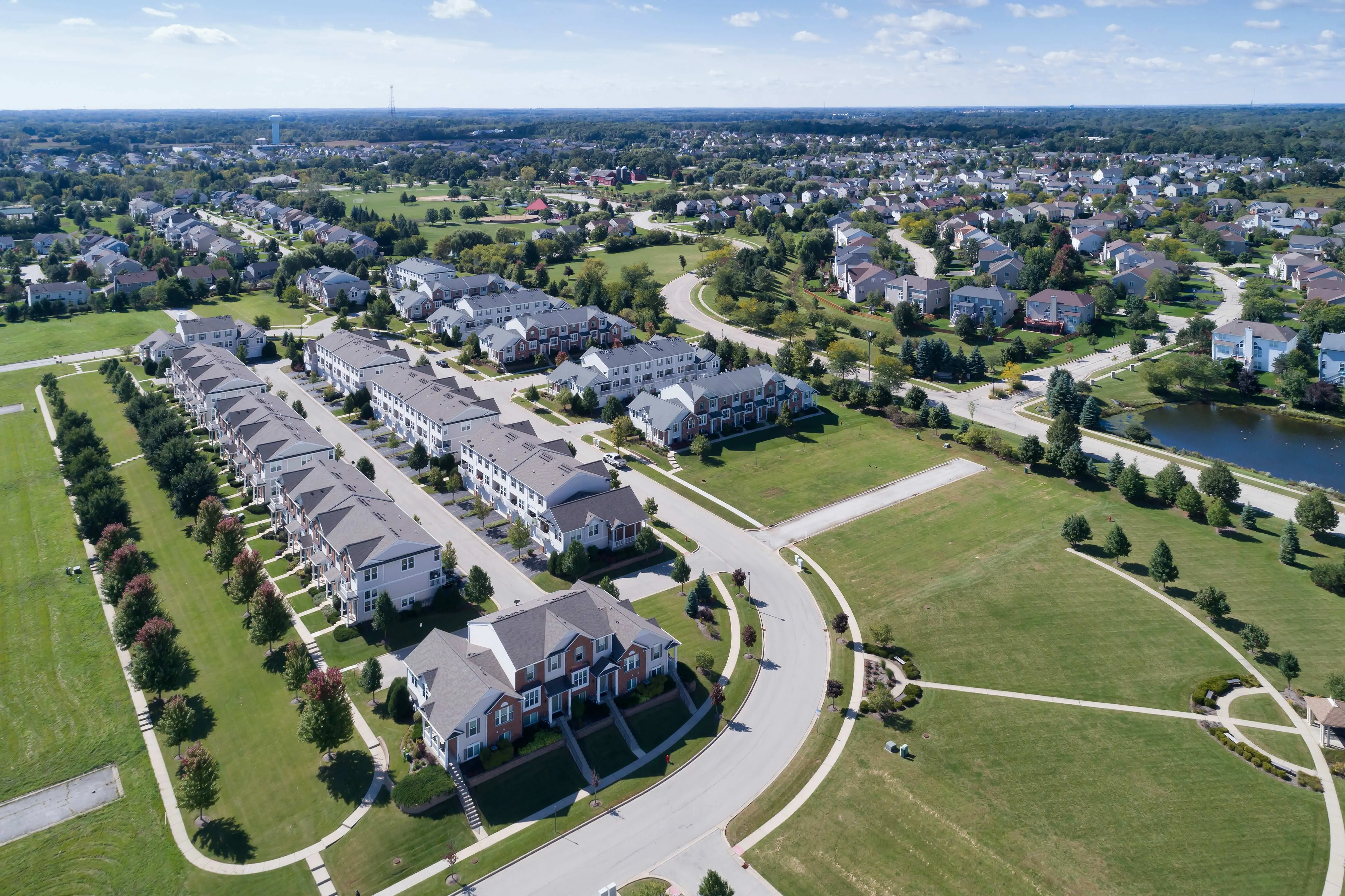
Creating a homeowners’ association (HOA) can significantly enhance the management and maintenance of a residential community, ensuring it remains a desirable place to live. Here’s how to navigate the process of setting up an HOA from scratch:
1. Assess community interest and needs. Before trying to establish an HOA, it’s crucial to gauge the interest level among your neighbors. An HOA will be more successful if it’s supported by a majority of the community.
- Organize meetings with residents to discuss the benefits and responsibilities of forming an HOA.
- Consider conducting a survey to determine the specific needs and concerns of homeowners that the HOA could address.
2. Consult with legal professionals. Setting up an HOA involves various legal considerations, including drafting governing documents and understanding state laws.
- A lawyer specializing in real estate or community association law can help ensure all legal requirements are met.
- HOAs are subject to state regulations, which can vary widely. Your attorney can help you navigate these laws to ensure compliance.
3. Develop governing documents. The foundation of any HOA is its governing documents, which include the declaration of Covenants, Conditions and Restrictions (CC&Rs); bylaws; and articles of incorporation.
- Outline the rights and responsibilities of the homeowners and the HOA, including architectural standards and maintenance duties.
- Establish the structure of the association, including voting rights, board member elections and meeting protocols.
- Register the HOA as a legal entity, which can provide liability protection and tax advantages.
4. Plan for financial management. An effective HOA needs a solid financial plan to handle its operations, maintenance tasks and reserve funds for future repairs.
- Set up a bank account to handle dues collected from homeowners and pay for communal expenses.
- Develop an annual budget that covers all foreseeable expenses, such as landscaping, community repairs and insurance.
5. Elect a board of directors. The board will make most of the day-to-day decisions for the HOA, so it’s important to elect individuals who are committed and capable.
- Establish election procedures to ensure transparency and fairness.
- Choose initial board members. Ideally, these should be homeowners who are not only interested but also have the time and skills necessary to serve effectively.
6. Organize the first HOA meeting. With the board in place and the HOA legally established, organizing the first official HOA meeting is a critical next step.
- Set the agenda. Include key topics such as the adoption of the budget, upcoming projects and any immediate concerns.
- Make sure all homeowners are aware of the meeting details and encourage them to participate.
7. Implement rules and regulations. Once your HOA is operational, begin enforcing the rules and regulations outlined in your CC&Rs.
- Apply rules uniformly and fairly to maintain trust and compliance among homeowners.
- Be open to feedback and willing to adjust policies if they prove impractical or unpopular.
Use Diamond Certified Resource to find top rated companies
Local, Top Rated Diamond Certified Companies Related to Your Topic
Santa Clara County Community Home Builders
San Mateo County Home Builders
Sonoma County Home Builders
Alameda County Home Builders
San Francisco Home Builders
Related Articles
The Essential Guide to Community Home Building
Get Expert Advice From Owners of Top Rated Local Companies
Become a Diamond Certified Preferred Member (Always Free)