<p></p> <img src="https://dcr-apis.s3.us-east-2.amazonaws.com/wp_contents/uploads/DCR-ADMIN/Article_Webp/Green.webp" alt="undefined" style="height: auto;width: auto"/> <p></p> <p>Incorporating Green design principles into a community home building project promotes sustainability and enhances the long-term livability and efficiency of the neighborhood. Here’s an overview of some key Green design principles and how they can be integrated into community home building.</p> <p><strong>Energy efficiency</strong><br>Energy-efficient homes reduce greenhouse gas emissions and lower utility bills, making them attractive to environmentally conscious buyers.</p> <ul> <li>Use advanced insulation techniques and materials to minimize heat loss in winter and heat gain in summer.</li> <li>Install double- or triple-pane windows and energy-efficient doors to improve thermal regulation.</li> <li>Incorporate smart thermostats and appliances that help homeowners monitor and control energy usage more effectively.</li> </ul> <p><strong>Water conservation</strong><br>Water scarcity is a growing concern in many regions, making water conservation a crucial feature of sustainable community development.</p> <ul> <li>Install fixtures such as toilets, showerheads and faucets that reduce water usage without sacrificing performance.</li> <li>Employ xeriscaping techniques and install native plants that require less water and maintenance.</li> <li>Design systems to collect and reuse rainwater for landscaping.</li> </ul> <p><strong>Sustainable building materials</strong><br>Choosing the right materials can significantly reduce the environmental impact of building homes.</p> <ul> <li>Use materials that are recycled or sourced from renewable resources, such as bamboo, reclaimed wood and recycled steel.</li> <li>Reduce carbon emissions associated with transportation by sourcing materials locally whenever possible.</li> <li>Select paints, adhesives and coatings that emit few volatile organic compounds (VOCs) to improve indoor air quality.</li> </ul> <p><strong>Solar energy</strong><br>Solar power is a clean and increasingly cost-effective energy source. Integrating solar panels into home designs can drastically reduce reliance on nonrenewable energy sources.</p> <ul> <li>Design homes to be solar-ready, making it easy for homeowners to install solar panels in the future.</li> <li>Consider community-shared solar systems that allow all residents to benefit from solar power, even if individual homes aren’t directly equipped with panels.</li> </ul> <p><strong>Site and community planning</strong><br>The layout of a community and its integration with the natural environment play a significant role in its sustainability.</p> <ul> <li>Plan homes and streets to maximize natural lighting, reducing the need for artificial lighting during the day.</li> <li>Design ample communal Green spaces that encourage outdoor activities and help manage stormwater runoff.</li> <li>Promote alternative transportation options like biking and walking by incorporating paths and bike lanes.</li> </ul> <p><strong>Waste reduction</strong><br>Minimizing waste during construction and throughout the lifecycle of the homes helps conserve resources and reduces landfill use.</p> <ul> <li>Plan and measure meticulously to minimize off-cuts and waste of materials.</li> <li>Implement recycling programs on construction sites to handle waste materials like wood, metal and concrete.</li> <li>When buildings are removed, opt for deconstruction to salvage materials for reuse or recycling.</li> </ul> <p><strong>Certification and compliance</strong><br>Pursuing Green certifications can enhance the marketability of homes and ensure compliance with various environmental standards.</p> <ul> <li>Aim for Leadership in Energy and Environmental Design (LEED) certification, which is recognized globally and covers extensive sustainability aspects.</li> <li>Build homes that meet or exceed ENERGY STAR requirements for energy efficiency. </li> </ul> <p><a href="https://www.diamondcertified.org/" target="_self">Use Diamond Certified Resource to find top rated companies</a></p> <p><strong>Local, Top Rated Diamond Certified Companies Related to Your Topic</strong><br><a href="https://www.diamondcertified.org/santa-clara-contractor-community-home-builders/" target="_self">Santa Clara County Community Home Builders</a><br><a href="https://www.diamondcertified.org/san-mateo-contractors-remodel-additions/" target="_self">San Mateo County Home Builders</a><br><a href="https://www.diamondcertified.org/sonoma-contractors-remodel-additions/" target="_self">Sonoma County Home Builders</a><br><a href="https://www.diamondcertified.org/alameda-contractors-remodel-additions/" target="_self">Alameda County Home Builders</a><br><a href="https://www.diamondcertified.org/san-francisco-contractors-remodel-additions/" target="_self">San Francisco Home Builders</a></p> <p><strong>Related Articles</strong><br><a href="https://www.diamondcertified.org/Guide/home-building-for-communities/" target="_self">The Essential Guide to Community Home Building</a><br><a href="https://www.diamondcertified.org/find-expert-advice/" target="_self">Get Expert Advice From Owners of Top Rated Local Companies</a><br><a href="https://www.diamondcertified.org/membership/" target="_self">Become a Diamond Certified Preferred Member (Always Free)</a> </p>
Green Design Principles in Community Home Building
May 16, 2024
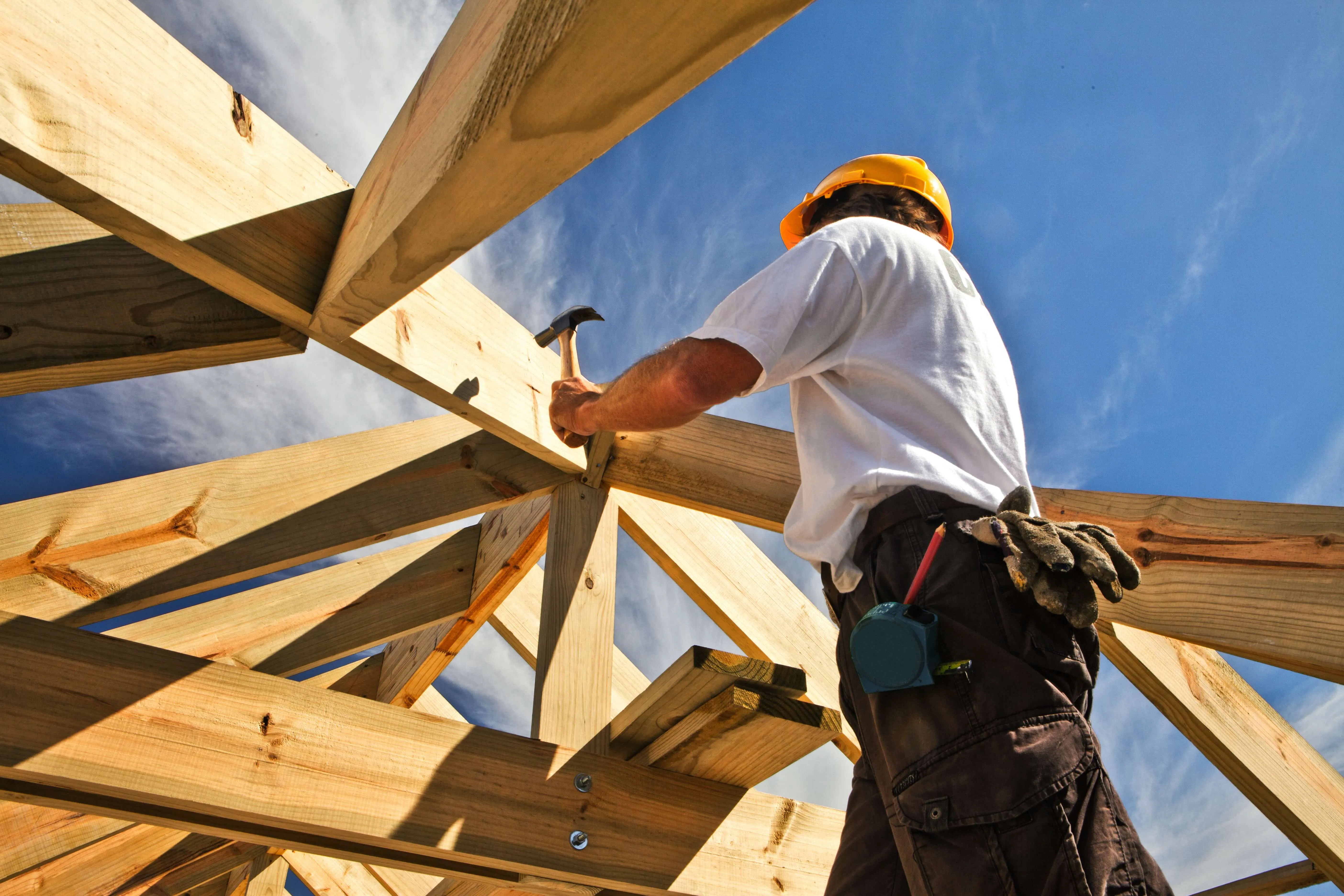
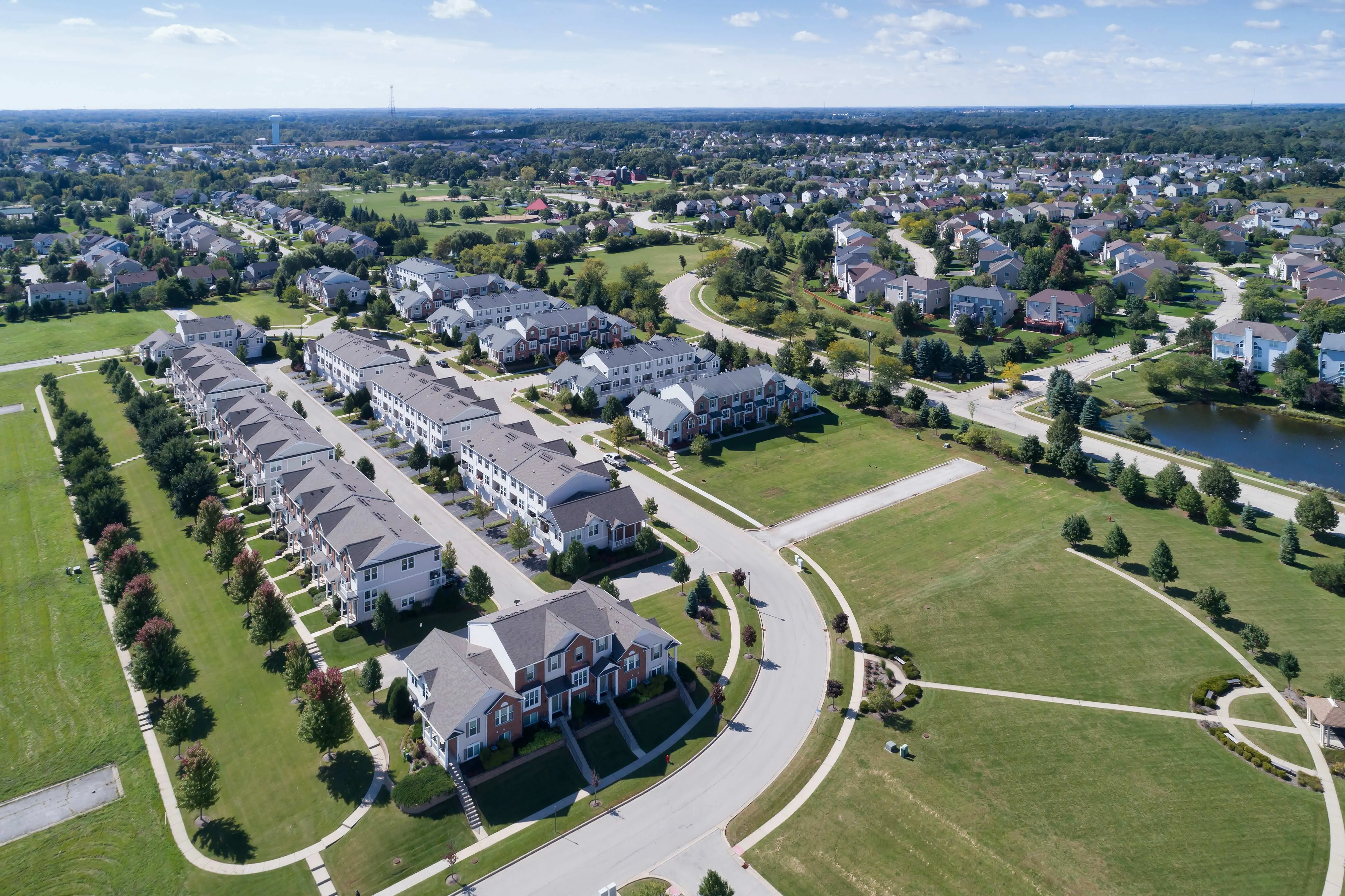
Incorporating Green design principles into a community home building project promotes sustainability and enhances the long-term livability and efficiency of the neighborhood. Here’s an overview of some key Green design principles and how they can be integrated into community home building.
Energy efficiency
Energy-efficient homes reduce greenhouse gas emissions and lower utility bills, making them attractive to environmentally conscious buyers.
- Use advanced insulation techniques and materials to minimize heat loss in winter and heat gain in summer.
- Install double- or triple-pane windows and energy-efficient doors to improve thermal regulation.
- Incorporate smart thermostats and appliances that help homeowners monitor and control energy usage more effectively.
Water conservation
Water scarcity is a growing concern in many regions, making water conservation a crucial feature of sustainable community development.
- Install fixtures such as toilets, showerheads and faucets that reduce water usage without sacrificing performance.
- Employ xeriscaping techniques and install native plants that require less water and maintenance.
- Design systems to collect and reuse rainwater for landscaping.
Sustainable building materials
Choosing the right materials can significantly reduce the environmental impact of building homes.
- Use materials that are recycled or sourced from renewable resources, such as bamboo, reclaimed wood and recycled steel.
- Reduce carbon emissions associated with transportation by sourcing materials locally whenever possible.
- Select paints, adhesives and coatings that emit few volatile organic compounds (VOCs) to improve indoor air quality.
Solar energy
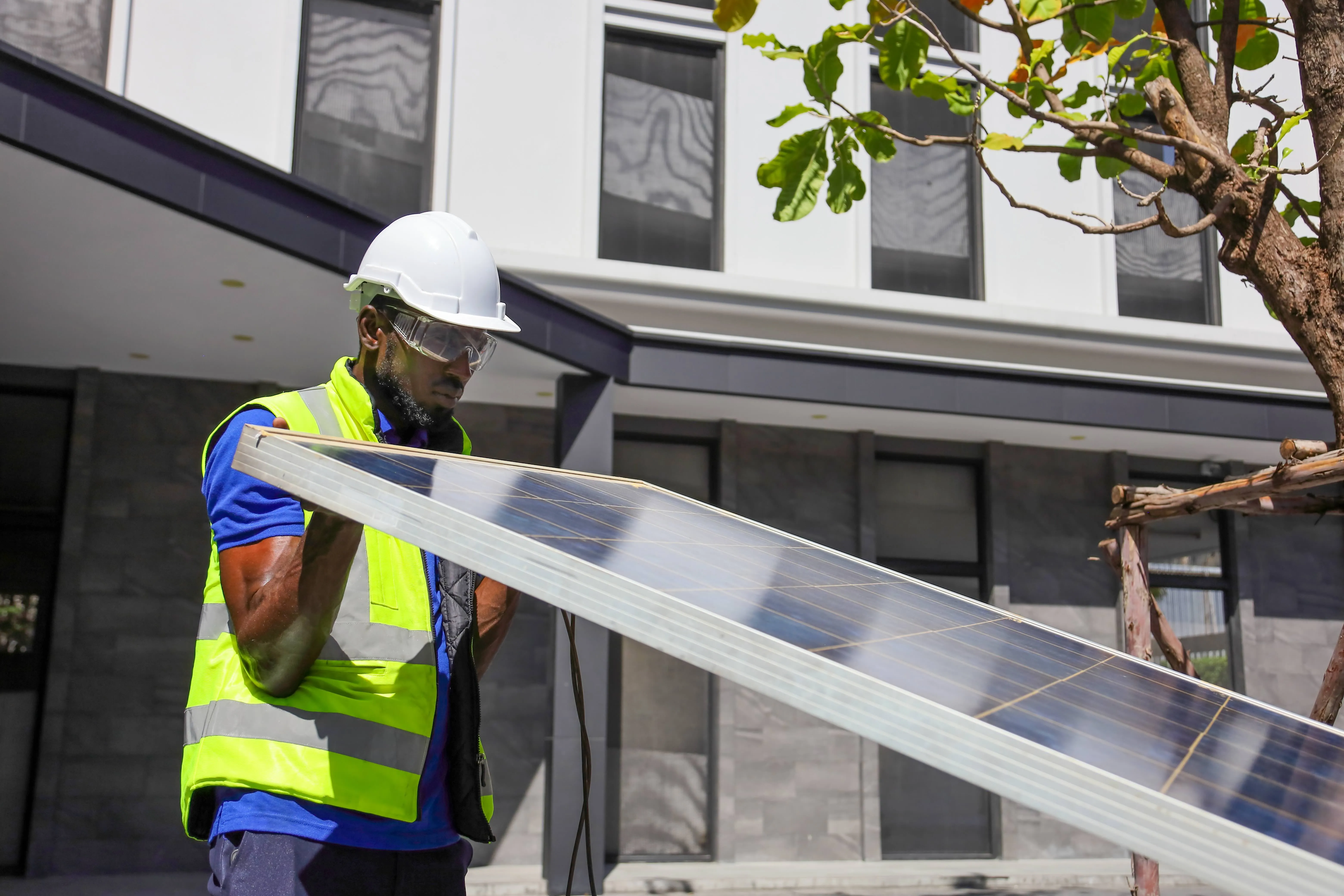
Solar power is a clean and increasingly cost-effective energy source. Integrating solar panels into home designs can drastically reduce reliance on nonrenewable energy sources.
- Design homes to be solar-ready, making it easy for homeowners to install solar panels in the future.
- Consider community-shared solar systems that allow all residents to benefit from solar power, even if individual homes aren’t directly equipped with panels.
Site and community planning
The layout of a community and its integration with the natural environment play a significant role in its sustainability.
- Plan homes and streets to maximize natural lighting, reducing the need for artificial lighting during the day.
- Design ample communal Green spaces that encourage outdoor activities and help manage stormwater runoff.
- Promote alternative transportation options like biking and walking by incorporating paths and bike lanes.
Waste reduction
Minimizing waste during construction and throughout the lifecycle of the homes helps conserve resources and reduces landfill use.
- Plan and measure meticulously to minimize off-cuts and waste of materials.
- Implement recycling programs on construction sites to handle waste materials like wood, metal and concrete.
- When buildings are removed, opt for deconstruction to salvage materials for reuse or recycling.
Certification and compliance
Pursuing Green certifications can enhance the marketability of homes and ensure compliance with various environmental standards.
- Aim for Leadership in Energy and Environmental Design (LEED) certification, which is recognized globally and covers extensive sustainability aspects.
- Build homes that meet or exceed ENERGY STAR requirements for energy efficiency.
Use Diamond Certified Resource to find top rated companies
Local, Top Rated Diamond Certified Companies Related to Your Topic
Santa Clara County Community Home Builders
San Mateo County Home Builders
Sonoma County Home Builders
Alameda County Home Builders
San Francisco Home Builders
Related Articles
The Essential Guide to Community Home Building
Get Expert Advice From Owners of Top Rated Local Companies
Become a Diamond Certified Preferred Member (Always Free)