
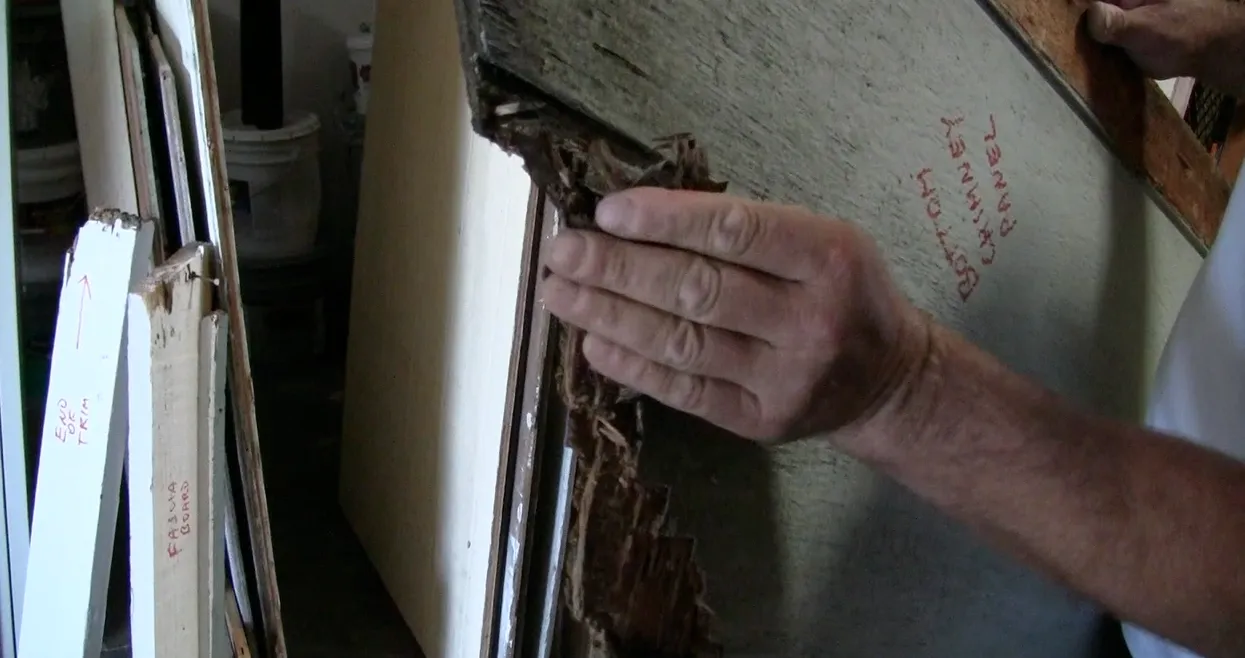
SANTA ROSA — Dry rot isn’t something most homeowners think about, but by the time you notice it in your home, you’ll wish you had. Dry rot damage can be extremely detrimental to a home’s structure and the removal and subsequent repairs can be very costly, which is why dry rot prevention is one of the most important things you can do to protect your home.
First and second causes
The main instigator of any dry rot infestation is latent moisture, but there are numerous secondary causes that contribute to its development. One the most common is poor construction. When building a new home, some inexperienced contractors neglect to adequately prime and seal the edges of the siding panels. These structural lapses allow moisture to enter, which creates an ideal environment for dry rot to take root.
Remove, repair, replace
Before taking preventative measures, it’s vital to remove any existing dry rot. This means locating all the problem areas in and around your home to ensure a complete eradication. Since dry rot is so detrimental to a home’s structure, removal often involves repairing and replacing things such as siding and window frames.
Prevention
Once you have thoroughly removed every trace of dry rot and made the necessary repairs, it’s time to take preventative measures. The best prevention against dry rot is impermeability, so thoroughly prime and seal every gap and joint on your home’s exterior where moisture can penetrate. Before putting up new siding, make sure your panels are primed on all the edges, front and back. Be sure to use a high-quality caulking material for sealing. Don’t be fooled by gimmicks that attest to the longevity of a less expensive product—when it comes to protecting your home, only the best is good enough. By spending a little extra time and money on prevention, you can ensure your home will be safeguarded from dry rot.