.webp?w=3840&q=75)
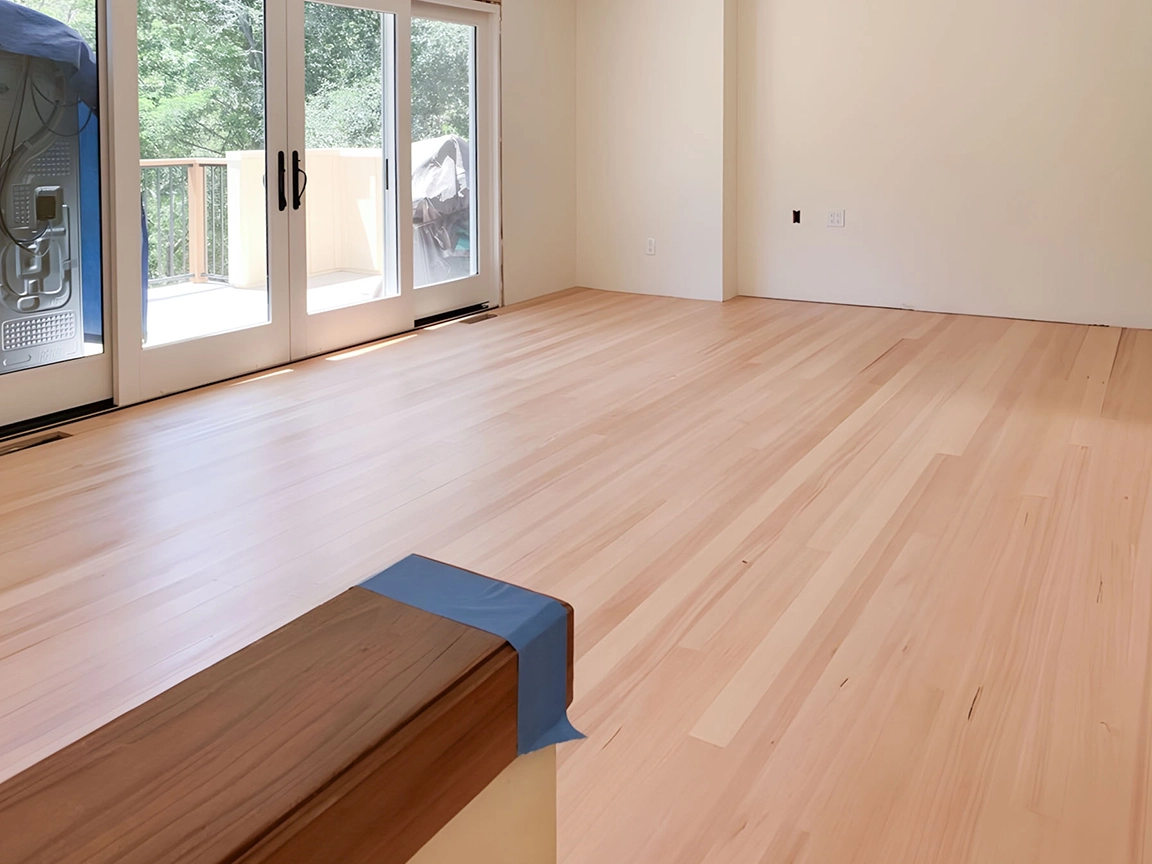
When it comes to choosing hardwood flooring, your lifestyle, household needs and design preferences all play a role in determining which option will serve you best. Here are some key considerations that will help you make the right decision:
Understand flooring grades and styles. Premium-grade hardwood flooring offers a clean look with minimal variation, making it ideal for modern interiors. On the other hand, character-grade hardwood flooring includes natural knots, color changes, and imperfections that add warmth and authenticity. You’ll also need to decide between “solid” and “engineered.” Solid hardwood flooring is made from a single piece of wood, giving it longevity and the ability to be refinished multiple times. Engineered wood flooring, which consists of a hardwood veneer over layered plywood, is more stable and better suited for environments with moisture or temperature fluctuations.
Match the installation to your home. The way your flooring is installed can affect both performance and cost. The nail-down method is common for solid hardwood and provides a strong, long-lasting hold. The glue-down method works well for engineered wood or when you’re installing over concrete subfloors. Every house is different, so make sure to talk to your installer about your options.
Choose a durable and protective finish. The finish you choose will influence both the appearance and longevity of your flooring. Water-based finishes dry quickly, emit less odor and resist yellowing over time. Oil-based finishes provide a rich tone and deep protection but may darken with age. For high-traffic areas, consider commercial-grade finishes that offer extra durability. Also, if your home has numerous windows and gets a lot of sunlight, ask about finishes with UV protection.