
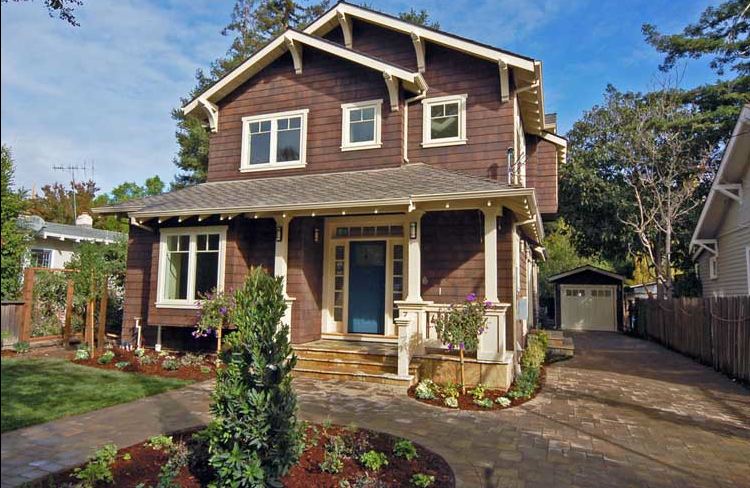
SANTA CLARA – When it comes to designing and executing a remodeling project, one of the most important considerations is energy conservation. Building codes require a certain level of energy efficiency, but there are many opportunities to go above and beyond these basic standards to maximize energy conservation in your living space.
Insulation
By keeping the heat in and the cold out, insulation is a crucial part of maintaining an energy-efficient home. There are a few different types of insulation, all of which entail varying costs and levels of performance. For example, having fiberglass batt insulation in your walls and attic satisfies local building codes and provides a reasonable level of insulation. However, further measures such as sealing your attic with spray-on foam insulation can provide substantial savings both in terms of energy usage and heating/cooling costs. Another important aspect of home insulation is replacing old, inefficient windows with modern double-pane windows. After all, even if you put a lot of insulation in your walls and ceiling, poorly insulated windows will compromise these measures.
HVAC systems
When it comes to HVAC technology, there are a lot of high-efficiency products on the market that maximize energy conservation and keep operating costs low. Additionally, a high-efficiency HVAC system will give you better climate control and keep the temperature more stable throughout the day.
Water conservation
Besides energy conservation, another major focus of today’s Green technology is water conservation. For example, cutting-edge appliances like tankless water heaters and hot water recirculation pumps help minimize the amount of water that’s wasted down the drain, and graywater systems collect lightly used water from sinks, showers, and washing machines so it can be reused for lawns and plants.
Solar
Another way homeowners are boosting the energy efficiency of their homes is by installing solar energy systems. Most people know that solar systems can save a bundle on energy costs; in some cases, homeowners are actually able to create more energy than they use, which they can then sell to their utility companies. As long as your home gets an adequate amount of sunshine, you simply can’t lose by adding solar panels to your property.