By optimizing your home's energy use, you can significantly reduce utility bills while maintaining comfort.
Incorporating energy-efficient heating and cooling solutions into your home is not only beneficial for the environment but also for your wallet. By optimizing your home's energy use, you can significantly reduce utility bills while maintaining comfort. Here’s a guide to some of the most effective energy-efficient solutions available today:
High-Efficiency HVAC Systems
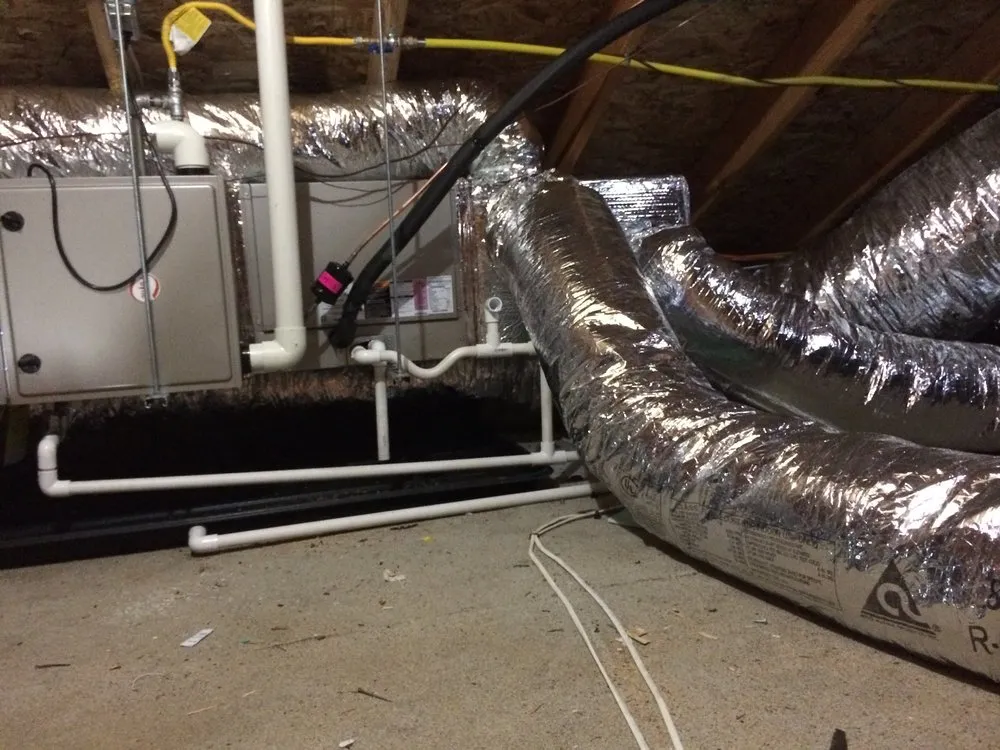
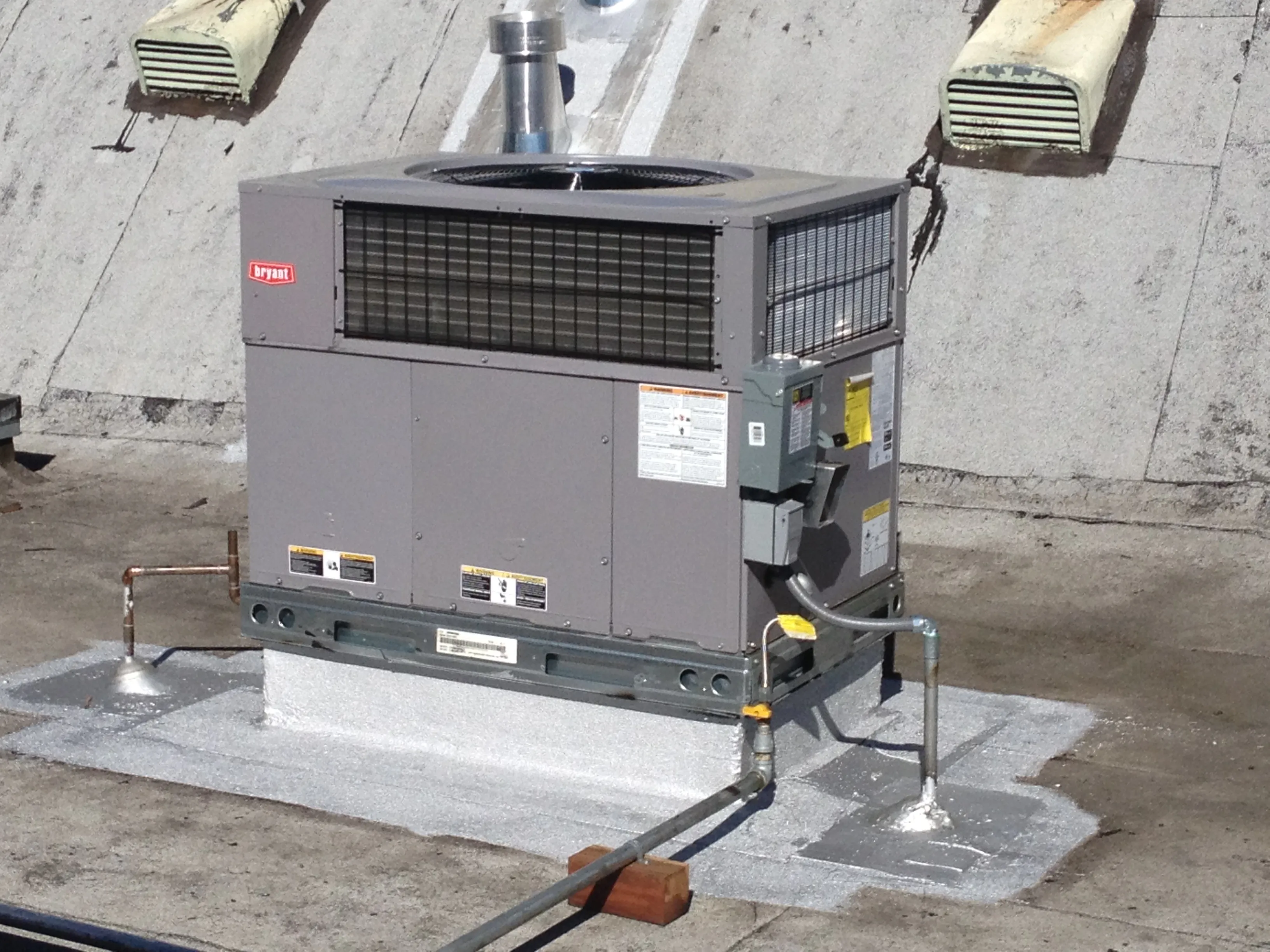
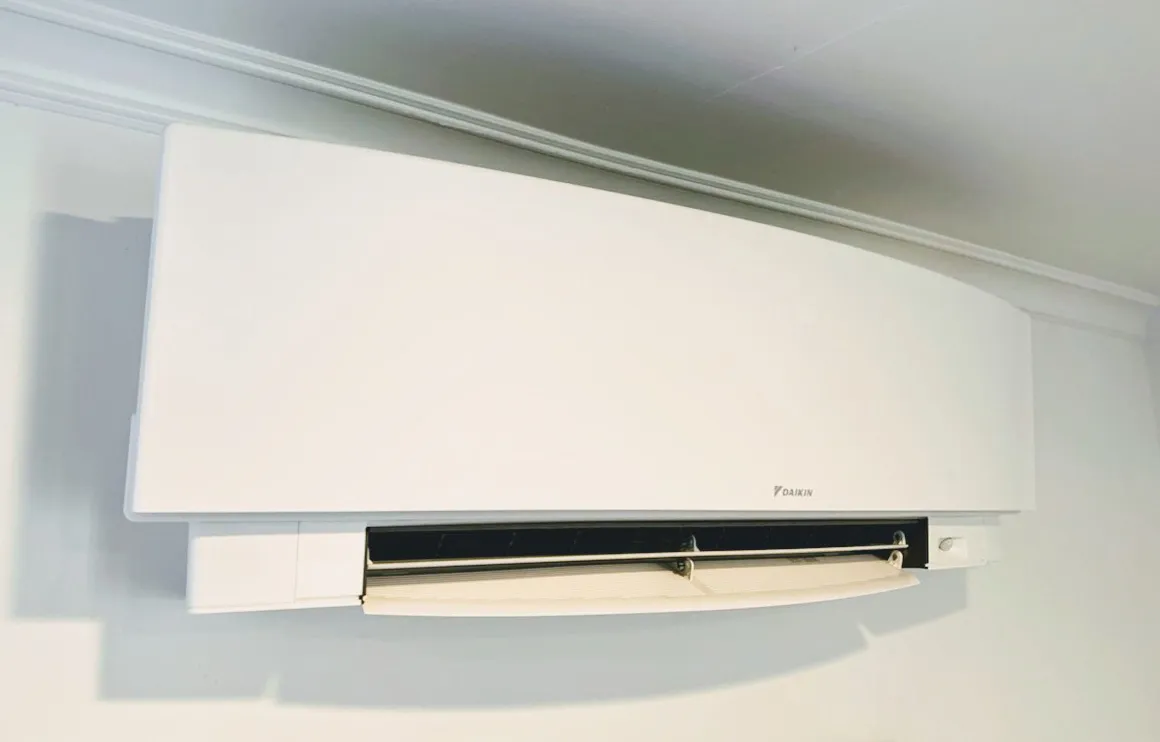
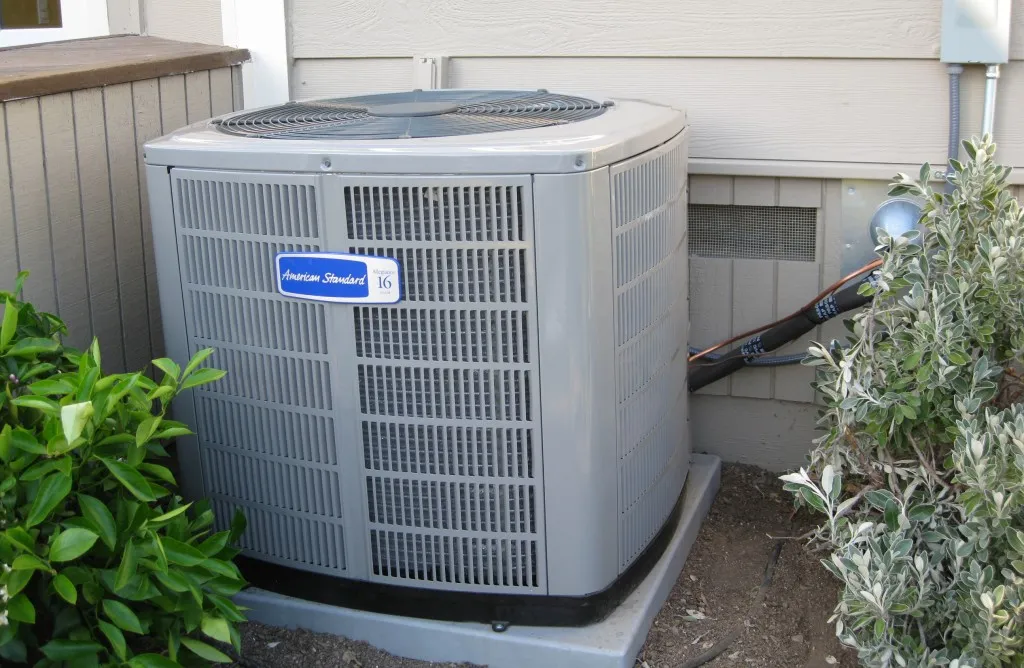
Investing in a high-efficiency HVAC system is one of the most impactful ways to enhance your home's energy performance. Look for systems with a high Seasonal Energy Efficiency Ratio (SEER) for cooling and a high Annual Fuel Utilization Efficiency (AFUE) for heating. Modern systems are designed to use less energy while providing better temperature and humidity control.
Smart Thermostats
Smart thermostats can learn your schedule and temperature preferences, making automatic adjustments to save energy. They can be controlled remotely via smartphones, allowing you to fine-tune your home’s temperature even when you're away, ensuring energy isn’t wasted heating or cooling an empty home.
Geothermal Heat Pumps
Geothermal heat pumps utilize the stable temperature of the earth several feet below the ground to heat and cool your home. This system is incredibly efficient because it transfers heat nstead of generating it by burning fuel. It requires a higher upfront investment but offers significant savings and efficiency in the long term.
Solar Air Conditioning
Solar air conditioning units use solar power to operate, significantly reducing electricity use from the grid. These systems can be hybrid models that use both solar power and traditional energy sources, ensuring reliability while maximizing energy savings.
Insulation and Sealing
Proper insulation and sealing of windows, doors, and other leaks in your home can dramatically improve heating and cooling efficiency. By ensuring that your home is well-insulated, you reduce the workload on your HVAC system and maintain a more constant temperature, lowering energy costs.
Energy Recovery Ventilators
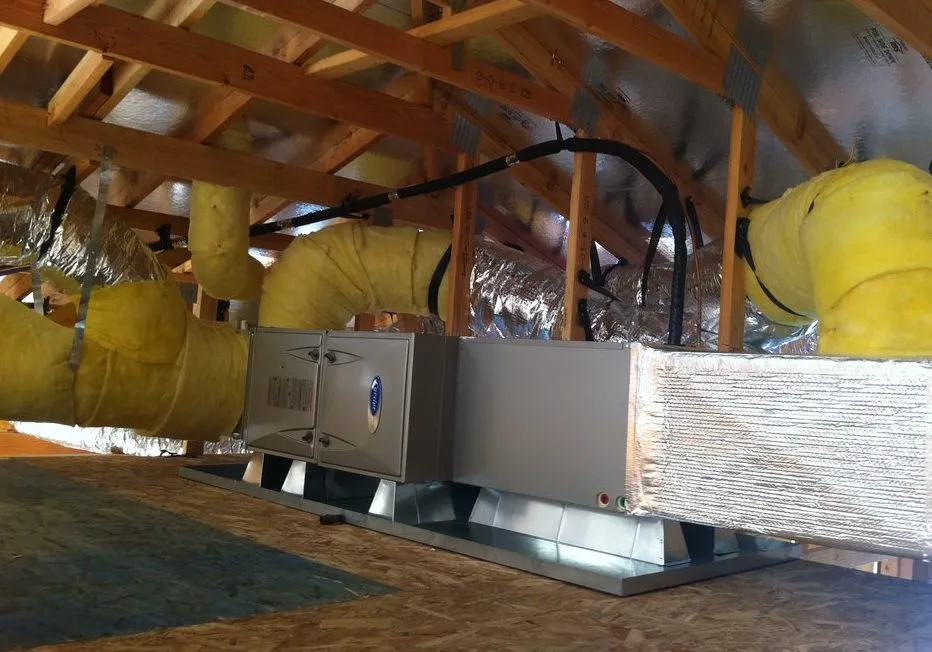
Energy recovery ventilators (ERVs) improve the air quality inside your home while minimizing energy loss. They work by recovering heat or cool air from outgoing indoor air and using it to condition incoming outdoor air, reducing the energy required to bring outside air up to room temperature.
Evaporative Coolers
For homes in dry climates, evaporative coolers can be a cost-effective alternative to traditional air conditioning. They use the evaporation of water to cool the air – a process that uses significantly less electricity than refrigerant-based airconditioning.
Window Treatments
Energy-efficient window treatments such as thermal drapes, blinds, or cellular shades can block unwanted heat from the sun during summer and help retain heat during winter. This simple adjustment can significantly cut the energy needed for heating and cooling.
Routine Maintenance
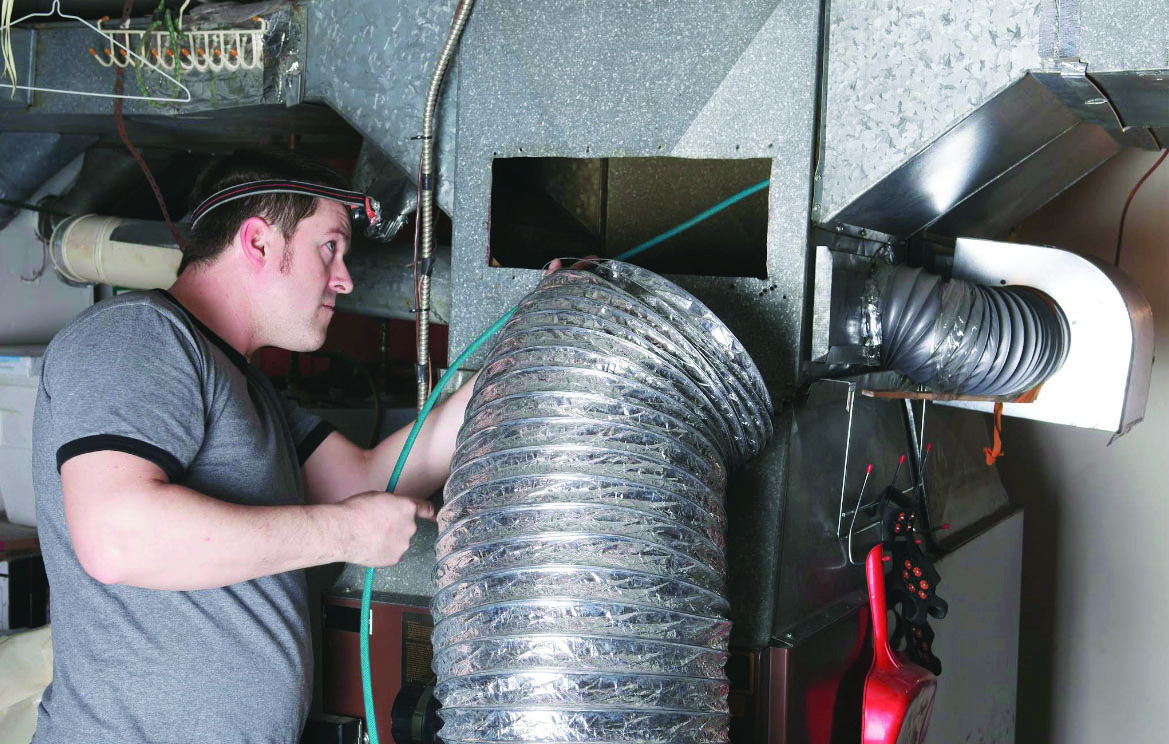
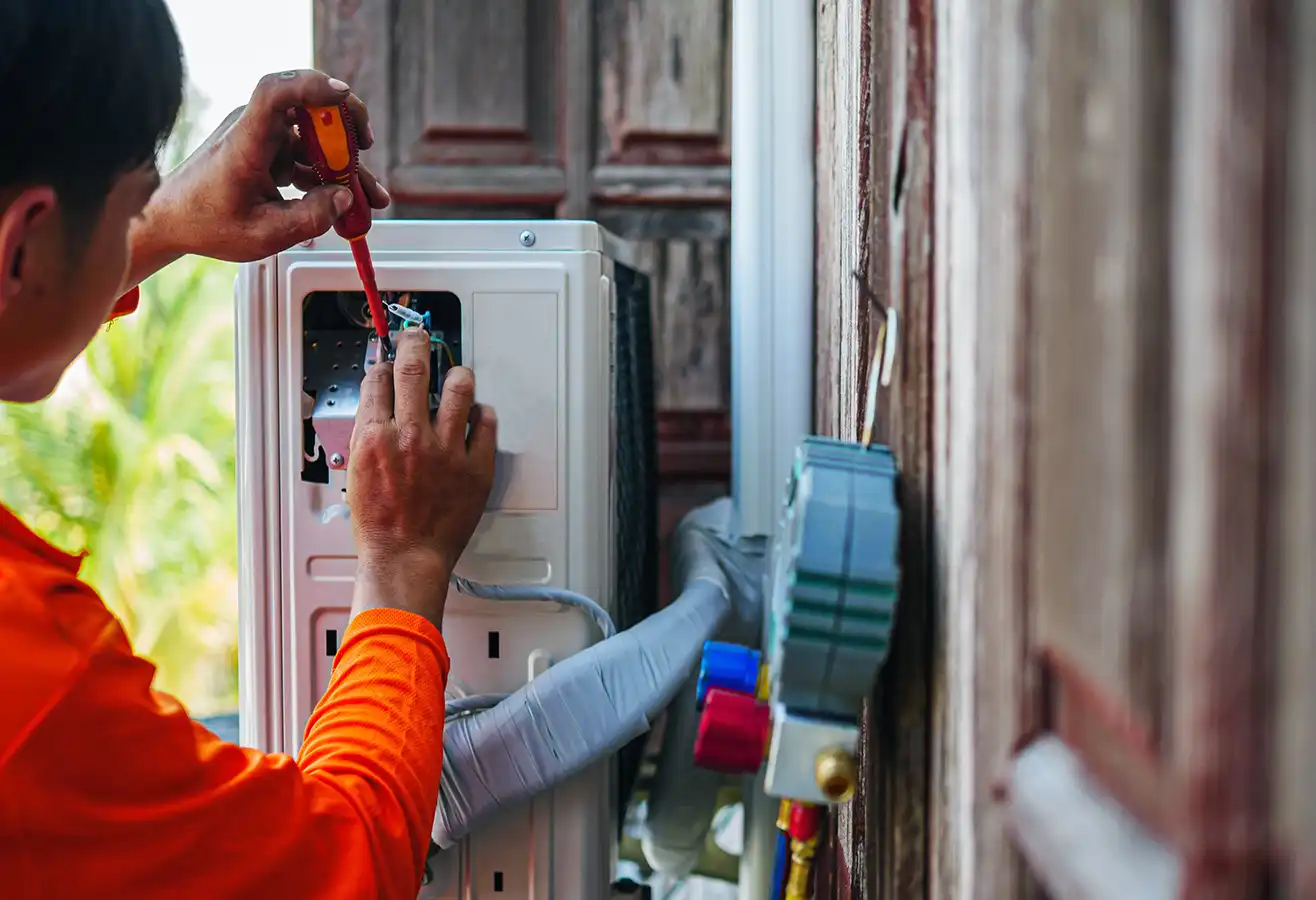
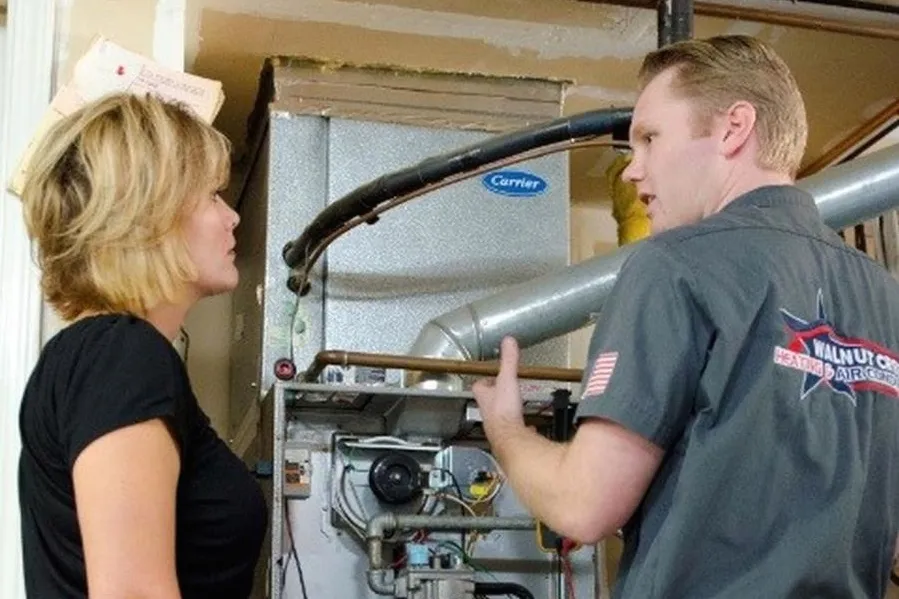
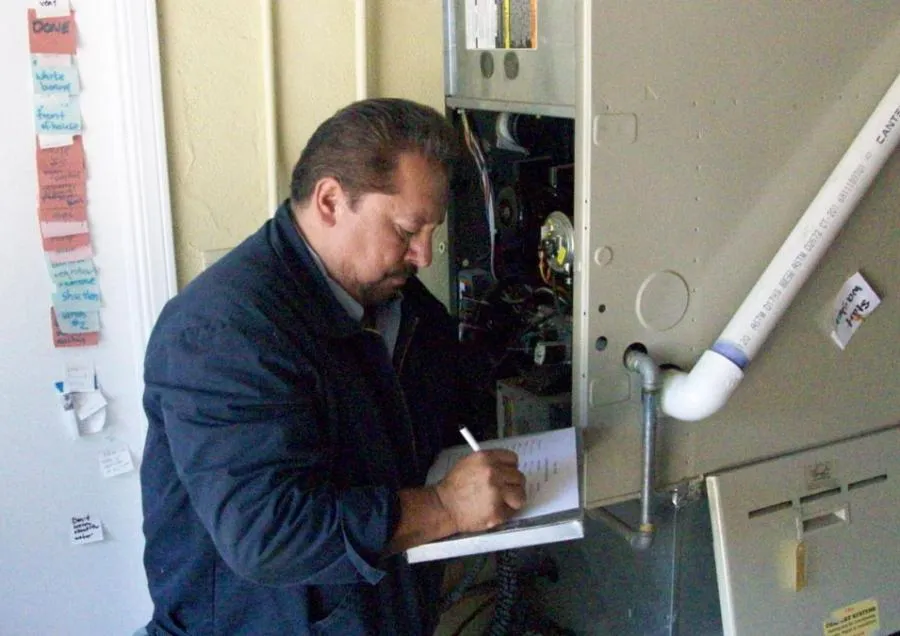
Regular maintenance of your heating and cooling systems ensures they operate at peak efficiency. This includes cleaning or replacing air filters, servicing motors, and checking for duct
leaks. A well-maintained system uses less energy to achieve the desired indoor climate.
Use Diamond Certified Resource to find top rated companies.
Local, Top Rated Diamond Certified Companies Related to
Your Topic
Marin County HVAC Contractors
Santa Cruz County HVAC Contractors
Contra Costa County HVAC Contractors
San Mateo County HVAC Contractors
Napa County HVAC Contractors
Related Articles
The Homeowner's Guide to Heating, Cooling & Air Quality
Get Expert Advice From Owners of Top Rated Local Companies
Become a Diamond Certified Preferred Member (Always Free) Find Top Rated Companies in the San Francisco Bay Area