<p></p> <p></p> <img src="https://diamondcertified.org/img/blog/concrete-paving-outdoor-surfaces-feb-25.webp" alt="undefined" style="height: ;width: "/> <p></p> <p>Concrete is a durable and versatile material used in various construction projects, but it’s not immune to cracking. Understanding the causes of concrete cracks can help you take preventive measures and apply effective repair solutions when necessary. </p> <h3><strong>Causes of Concrete Cracks</strong></h3> <p>Concrete cracks can occur due to several factors, including: </p> <p><strong>Shrinkage<br></strong>As concrete dries, it tends to shrink, which can lead to small cracks, especially if the mix isn’t properly proportioned. </p> <p><strong>Temperature fluctuations<br></strong>Extreme heat or cold can cause the concrete to expand or contract, resulting in cracks. </p> <p><strong>Excess water in the mix<br></strong>Adding too much water can weaken the concrete, making it more prone to cracking. </p> <p><strong>Poor installation<br></strong>Improper curing, inadequate reinforcement or uneven surfaces can contribute to structural cracks. </p> <p><strong>Structural stress<br></strong>Heavy loads or settling of the foundation can cause cracks over time. </p> <h3><strong>Prevention Methods</strong></h3> <p>Preventing concrete cracks involves careful planning and proper techniques, such as: </p> <p><strong>Proper mix proportioning<br></strong>Ensure the right water-to-cement ratio to avoid excess shrinkage. </p> <p><strong>Control joints<br></strong>Installing control joints allows the concrete to crack along predetermined lines, reducing random cracking. </p> <p><strong>Reinforcement<br></strong>Using steel bars or fiber reinforcements can help distribute the load and minimize cracks. </p> <p><strong>Curing<br></strong>Properly curing concrete by keeping it moist for a specified period of time prevents rapid drying and shrinkage cracks. </p> <h3><strong>Repair Solutions</strong></h3> <p>When cracks appear, timely repairs can prevent further damage. Effective repair methods include: </p> <p><strong>Epoxy injection<br></strong>Suitable for narrow cracks, epoxy can bond the crack and restore structural integrity. </p> <p><strong>Concrete resurfacing<br></strong>For surface cracks, a resurfacing compound can fill and level the damaged area. </p> <p><strong>Sealants<br></strong>Polyurethane or silicone sealants can be used for minor, non-structural cracks to prevent moisture infiltration.</p> <p><a href="https://www.diamondcertified.org/" target="_self">Use Diamond Certified Resource to find top rated companies.</a> </p> <p><strong>Local, Top Rated Diamond Certified Companies Related to</strong><br><strong>Your Topic</strong><br><a href="https://www.diamondcertified.org/contra-costa-concrete-contractors/" target="_self">Contra Costa County Concrete Contractors</a><br><a href="https://www.diamondcertified.org/santa-clara-concrete-contractors/" target="_self">Santa Clara County Concrete Contractors</a><br><a href="https://www.diamondcertified.org/monterey-county-concrete-contractor/" target="_self">Monterey County Concrete Contractors</a><br><a href="https://www.diamondcertified.org/alameda-concrete-contractors/" target="_self">Alameda County Concrete Contractors</a><br><a href="https://www.diamondcertified.org/sonoma-county-concrete-contractor/" target="_self">Sonoma County Concrete Contractors</a></p> <p><strong>Related Articles</strong><br><a href="https://www.diamondcertified.org/Guide/Concrete-Masonry/" target="_self">The Homeowner's Guide to Concrete, Paving & Outdoor Surfaces</a><br><a href="https://www.diamondcertified.org/find-expert-advice/" target="_self">Get Expert Advice From Owners of Top Rated Local Companies</a><br><a href="https://www.diamondcertified.org/membership/" target="_self">Become a Diamond Certified Preferred Member (Always Free)</a> <a href="https://www.diamondcertified.org/find-top-rated-companies/hub/ca/san-francisco-bay-area/" target="_self">Find Top Rated Companies in the San Francisco Bay Area</a> </p>
Concrete Cracks: Causes, Prevention and Repair Solutions
February 3, 2025
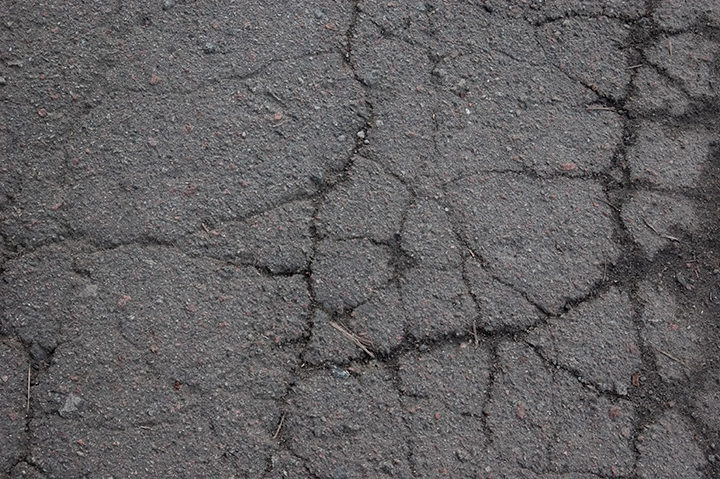
Concrete is a durable and versatile material used in various construction projects, but it’s not immune to cracking. Understanding the causes of concrete cracks can help you take preventive measures and apply effective repair solutions when necessary.
Causes of Concrete Cracks
Concrete cracks can occur due to several factors, including:
Shrinkage
As concrete dries, it tends to shrink, which can lead to small cracks, especially if the mix isn’t properly proportioned.
Temperature fluctuations
Extreme heat or cold can cause the concrete to expand or contract, resulting in cracks.
Excess water in the mix
Adding too much water can weaken the concrete, making it more prone to cracking.
Poor installation
Improper curing, inadequate reinforcement or uneven surfaces can contribute to structural cracks.
Structural stress
Heavy loads or settling of the foundation can cause cracks over time.
Prevention Methods
Preventing concrete cracks involves careful planning and proper techniques, such as:
Proper mix proportioning
Ensure the right water-to-cement ratio to avoid excess shrinkage.
Control joints
Installing control joints allows the concrete to crack along predetermined lines, reducing random cracking.
Reinforcement
Using steel bars or fiber reinforcements can help distribute the load and minimize cracks.
Curing
Properly curing concrete by keeping it moist for a specified period of time prevents rapid drying and shrinkage cracks.
Repair Solutions
When cracks appear, timely repairs can prevent further damage. Effective repair methods include:
Epoxy injection
Suitable for narrow cracks, epoxy can bond the crack and restore structural integrity.
Concrete resurfacing
For surface cracks, a resurfacing compound can fill and level the damaged area.
Sealants
Polyurethane or silicone sealants can be used for minor, non-structural cracks to prevent moisture infiltration.
Use Diamond Certified Resource to find top rated companies.
Local, Top Rated Diamond Certified Companies Related to
Your Topic
Contra Costa County Concrete Contractors
Santa Clara County Concrete Contractors
Monterey County Concrete Contractors
Alameda County Concrete Contractors
Sonoma County Concrete Contractors
Related Articles
The Homeowner's Guide to Concrete, Paving & Outdoor Surfaces
Get Expert Advice From Owners of Top Rated Local Companies
Become a Diamond Certified Preferred Member (Always Free) Find Top Rated Companies in the San Francisco Bay Area