The door swings shut and right away, you realize you have no keys. How many of us have suffered through that awful moment - called a lockout in the locksmith world. You hope that you can find that extra key you've carefully tucked away or that you've stashed a key with a friend or neighbor. But if you haven't hidden a spare, or no one has a key to help you, you'll probably need a locksmith.
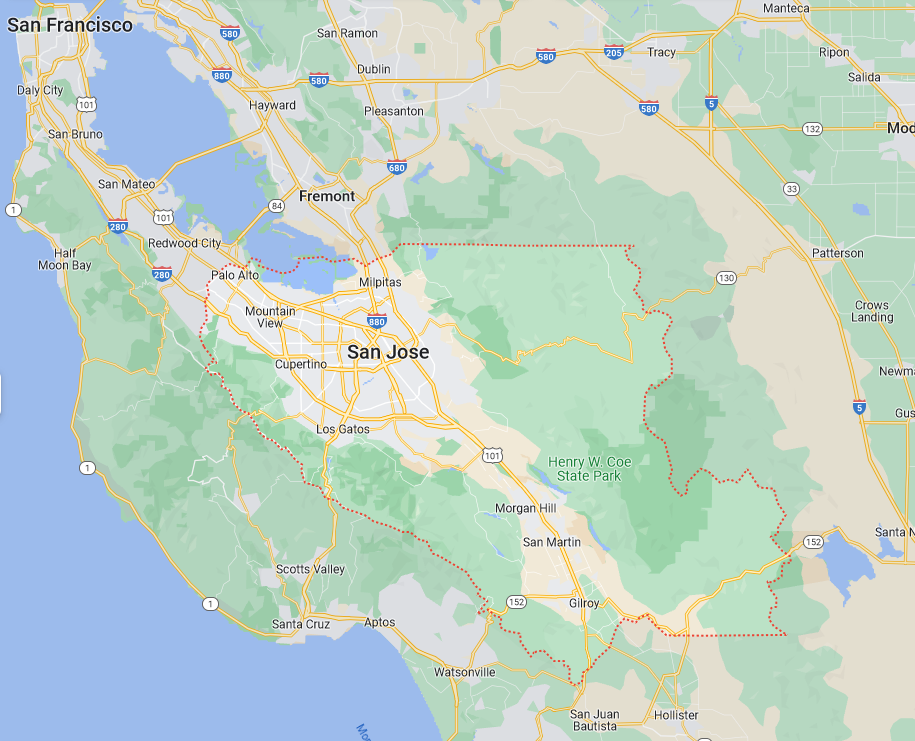
You'll find many locksmiths in the Santa Clara County area, whether you're in the larger cities of San Jose, Sunnyvale, Milpitas, Santa Clara, Mountain View, Gilroy, Campbell, Palo Alto or Cupertino.
Invest a little time and energy in finding the right locksmith, and you'll find someone you can work with who will be your trusted partner. When you're checking out professionals to help around the house - such as plumbers, gardeners, or electricians - consider looking for a locksmith at the same time. Once you've located a good locksmith, make sure you not only have their current contact information at home but also with you on the go. Below, you'll find some articles to help you figure out which locksmith suits your needs best.
What Do Santa Clara County Locksmiths Do Besides Make Keys?
Locksmiths are security professionals who offer a full range of services. They go well beyond the lockout case - when you find yourself locked out of your vehicle or house.
To residential customers, locksmiths offer services focusing on securing valuables in your home and the home itself. Ask a locksmith to advise you when you need a safe or vault. Locksmiths sell safes and other containers and often advise on what valuables can be kept in what kind of containers. In California's earthquake-prone areas, you may also need to consult a construction specialist to make sure your safe is securely braced and installed.
Any resident in Santa Clara County - from San Jose, Sunnyvale, or Santa Clara, to Mountain View or Milpitas - may want to ask a locksmith about how to secure the home against unwanted intruders. You may need a simple deadbolt for the door or recommendations on how to secure sliding doors. If you need handicapped access in the home or even in your business, a locksmith can easily replace a round, door knob, which is not very easy to grasp, with a lever handle.
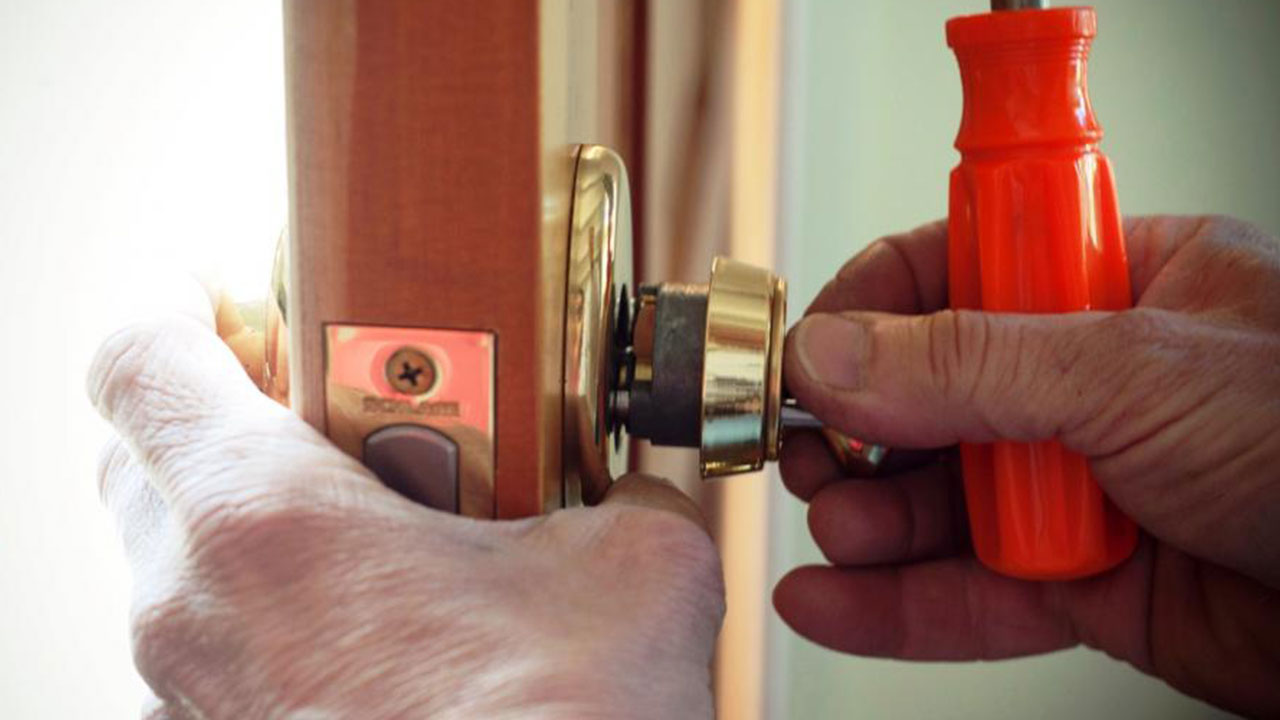
Sometimes you go to the locksmith knowing that something has happened - key loss, a break-in, a move, a divorce - that makes you doubt the security of your existing locks. As you look for solutions, be aware that you may not have to go to the expense of replacing your locks in their entirety. Locksmiths have the training and tools to allow them to open many locks without damaging the lock. Their training also enables them to adjust existing locks so that the entire lock does not have to be removed. Ask about re-keying or re-pinning your lock. These techniques make physical changes to the internal workings of the lock so that the existing lock operates with a new key. Using these techniques can be less costly than replacing the entire lock. Of course, if a key is broken off and stuck in a lock, the entire lock may need replacing. Similarly, if a key breaks off in an ignition switch, the locksmith may have to replace the entire switch.
For duplicate keys, a locksmith is a smart choice. Locksmiths are clearly not the only ones who provide duplicate keys. However, they have lots of training, usually far more than that found in hardware stores or other key-cutting outlets. Typically in a hardware store, a key cutting machine operator lacks training and rotates through the position. Locksmiths stock many more keys than the average hardware store and use better machines that produce cleaner cuts over time.
A locksmith's commercial offerings will appeal to business owners or operators. A common commercial concern is access control, which can be defined as taking charge of who can enter which parts of the business. Some access control is very simple, for example, when you walk into a store, you sometimes hear a chime or sound. This noise is made by an annunciation device. By announcing your entry, the devices alert store personnel that there are now people in the shop. For similar purposes, locksmiths provide mirrors that reflect corners of the shop where the line of sight might otherwise be blocked. Even the domes in the ceiling might come from a locksmith, since some owners install them to convince potential shoplifters that there are cameras.
Another typical commercial offering suits large buildings or construction sites. The master key system is one in which a master, or main, key opens all the doors for the building or site. Other keys for the site or building only open a door or a limited number of doors. A master key system may be designed to operate on many different levels, so that different members have keys that open different groups of doors. A master key system can be very complex.
Another system that appears in some construction sites consists of two types of keys. One key is used for all doors as the construction goes on. Of course, it does not have to be a single key - there may be many copies of it, but all share the same design. There is also a second key that physically changes the internal workings of the lock. Once the second key is used in a lock, the initial keys no longer work for the lock, so all the people who had access during the construction no longer have access. Of course, such a system requires coordination across the site. In addition to keys, access control can be regulated by sophisticated devices offered by locksmiths - for example, key readers that store multiple data types, access card readers, biometric meters, and the like.
Locksmiths in Santa Clara County and beyond need expertise in working with both mechanical and electronic products. A deadbolt is a mechanical device that operates through being manually manipulated. An access card reader is one example of an electronic device. Electronic devices have varying degrees of sophistication - for example, the access card reader may have Internet capabilities that allow it get software updates. For those who want to exchange the mechanical for the electronic, locksmiths can provide the tools and devices to make the transition. For example, you may want to update your safe locking mechanism from a dial to an electronic control, or you may want to change a push-button lock to an access card reader.
Modern vehicles often force the mechanic to work in the electronic realm. Many auto makers include electronic technology in vehicle keys or fobs. A transponder in a key exchanges information with the car's computer. If the computer recognizes what the transponder sends, then the ignition systems start the vehicle. The electronic technology in car keys is sophisticated enough to separate out different functions and treat them differently. For example, a valet key does not permit the holder to access the glove box or other storage spaces but does operate the doors and ignition.
As a vehicle owner, you're most likely to need a locksmith to let you into your vehicle or create keys for the vehicle. When you lock yourself out of your car, if you subscribe to a roadside assistance program that provides lockout service, you should of course use that service. If you don't have roadside assistance, you'll probably need a locksmith. Police, firemen, or other emergency service personnel may not help you except in extreme situations. This is partly because the emergency services have been faced with suits for damages. Without the right tools, you can easily damage a tinted window or damage other parts of the car door as you struggle to open it. A locksmith has training and specialized tools that in most cases preclude damage.
Getting a spare key for your vehicle is another reason to visit a locksmith. Locksmiths often charge less than a dealer would to make the same key. Locksmiths own sophisticated machines that can create the same electronically enabled keys that a dealer does. The machines often have software with information directly from the vehicle manufacturers that allows the locksmith to create keys that follow the manufacturer's specifications.
Of course, there are cases where locksmiths cannot help. Currently, car manufacturers tend to make fobs available only from dealers. A fob is a device that, when the vehicle senses it, allows the vehicle to operate. There are also some keys that are patented, or that carmakers are restricting others from making. It's best to ask your locksmith if you have a special key, special fob, or any doubts about whether your key can be created at a locksmith's.
Never Accept Anything But A Licensed Santa Clara County Locksmith
No matter where in the Santa Clara County Area you seek a locksmith, whether in San Jose, Sunnyvale, Santa Clara, Mountain View, or Milpitas or in smaller cities, your locksmith must have a current license. By law, all locksmiths in California must have a license; California is one of the few states to require a license. The license needs renewing every two years. The Bureau of Security and Investigative Services (BSIS) within the Department of Consumer Affairs (DCA) oversees the licensing program. Potential licensees provide scanned fingerprints and the FBI and the Department of Justice review applicants' criminal histories as part of the application process. Note that a license is not required to duplicate a key.
Nationally, the Federal Trade Commission (FTC) is the agency with responsibility for locksmiths. The FTC offers a strong recommendation to work with local locksmiths. The FTC wants to alert consumers that some firms pretending to be local actually have no fixed address and are national in character. Such firms have garnered a poor reputation by using intimidating tactics and overcharging. In California, because a license is required, you may be a bit safer from such firms. Always ask your locksmith for his or her license number. Even with the ease of mind that comes from a licensed locksmith, you might find that you want to work with a local locksmith for convenience and peace of mind. So look first for a locksmith in your area of San Jose, Sunnyvale, Santa Clara, Mountain View, Milpitas, Morgan Hill, Gilroy, or Saratoga. Mobile locksmiths may offer services across several cities.
It's critical that you check that any mobile locksmith you work with has a California locksmith's license. The FTC recommends that you ask locksmiths for an address for a brick and mortar location and that consumers should verify the address is for an actual shop. This prevents companies from pretending to be local. If the locksmith is a mobile operator, he or she may not have a brick and mortar address or may operate out of a home and may not want to share their home address. In these cases, there are legitimate reasons why there is no brick and mortar location for the company. If there is a reasonable explanation that explains why the locksmith does not have a physical location, you can work with that locksmith as long as they are licensed and you feel comfortable.
The locksmith's vehicle should give you good information when it arrives. Examine the locksmith's vehicle to see if it clearly displays the company name and information. In California, the locksmith's license number often appears on the vehicle. A typical locksmith's vehicle carries a great deal of equipment, since locksmiths carry around specialized tools. If the locksmith arrives in an unmarked vehicle without tools, be cautious until you know that they are licensed professionals.View/Print